What This Document Is
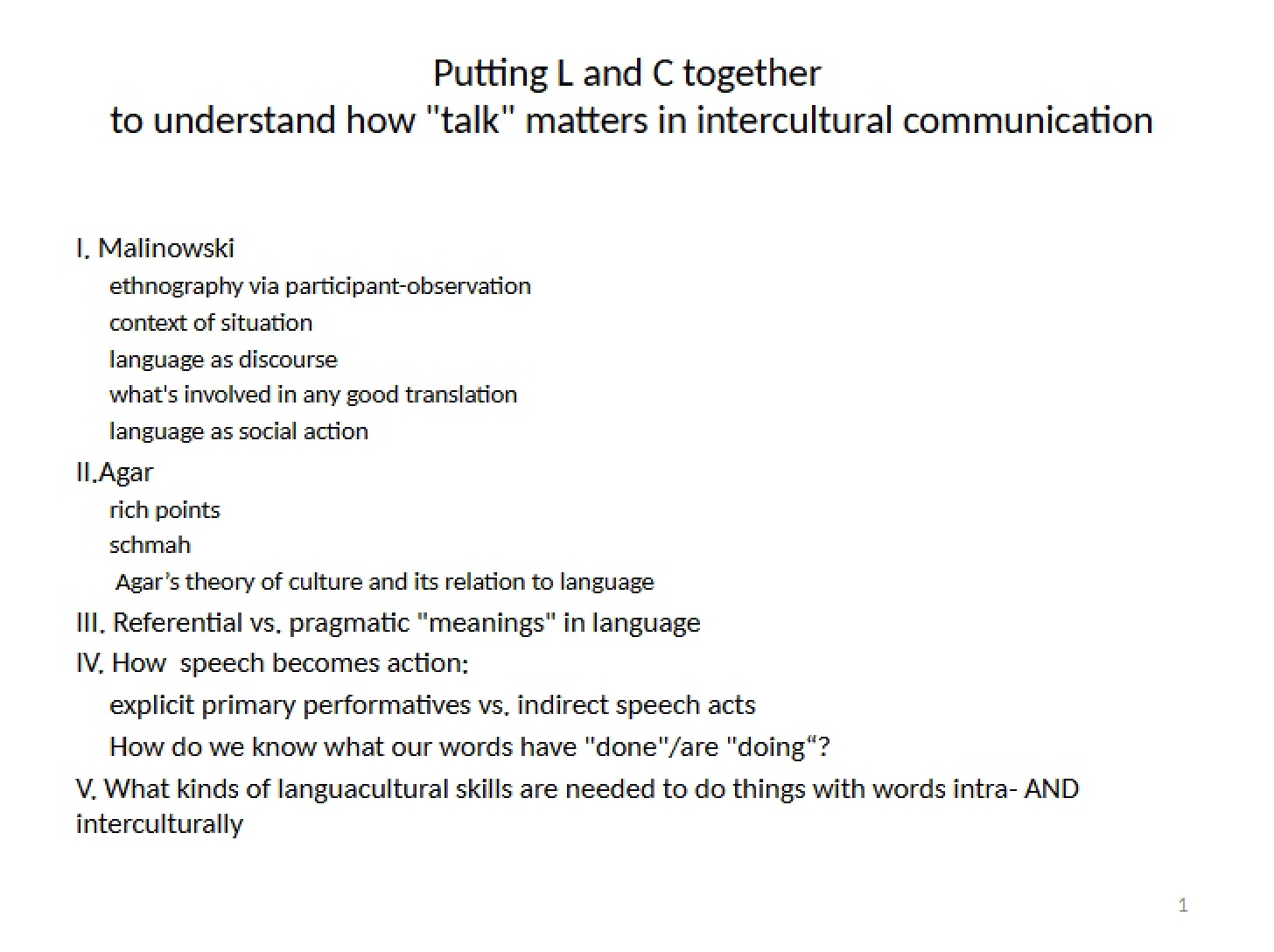
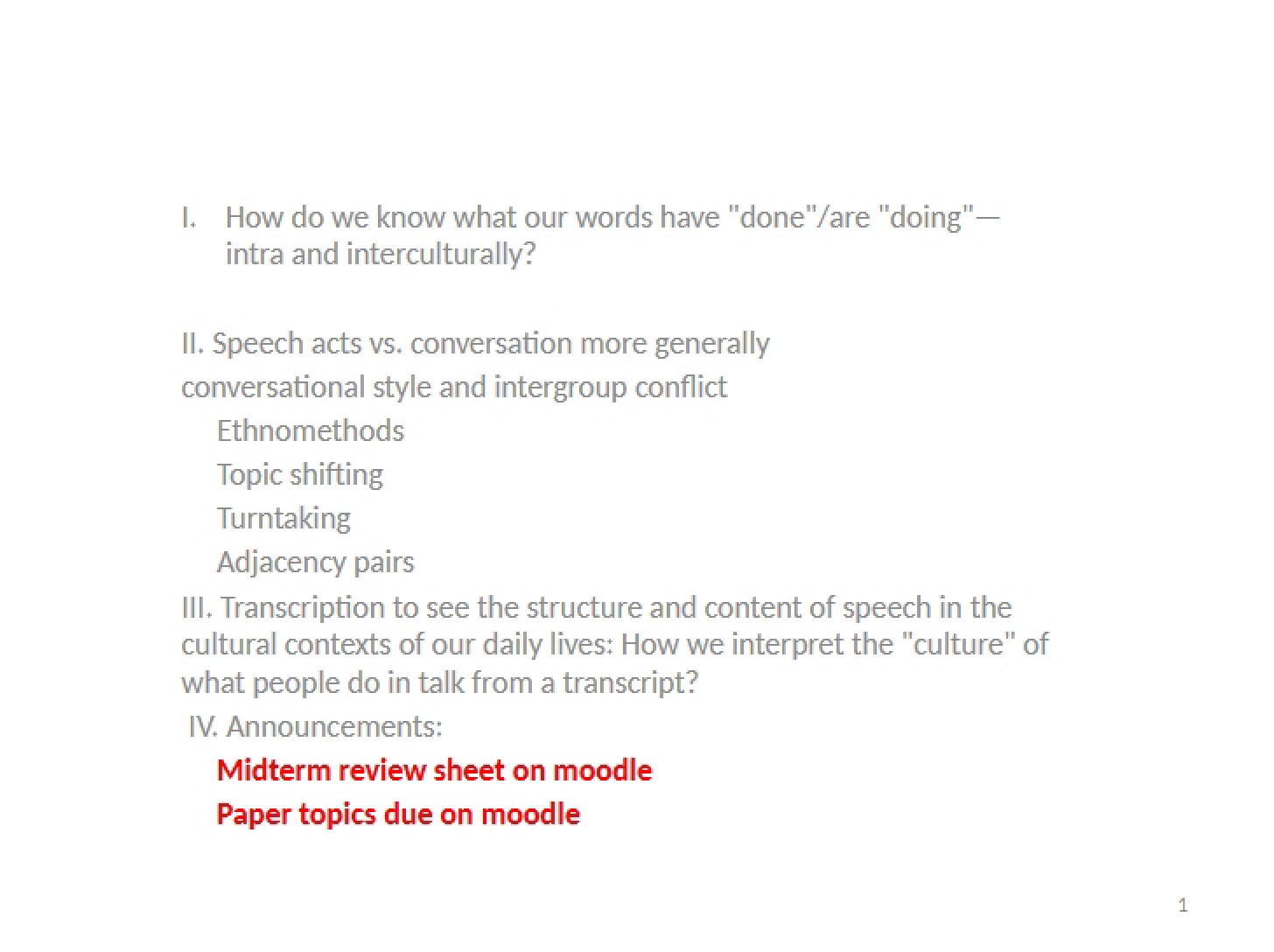
This study guide delves into the complexities of intercultural communication, specifically examining how communication patterns contribute to both understanding and misunderstanding between groups. It builds upon core concepts introduced in CMN 232 at the University of Illinois at Urbana-Champaign, offering a focused exploration of key theories and their practical implications. The material centers on analyzing discourse – how people actually *use* language – rather than simply focusing on grammatical structures.
Why This Document Matters
This resource is ideal for students in Intro to Intercultural Communication seeking a deeper understanding of the course material. It’s particularly helpful when preparing for discussions, analyzing real-world communication scenarios, and formulating arguments about the role of culture in shaping interactions. It’s designed to supplement lectures and readings, providing a concentrated review of pivotal concepts. Students who want to strengthen their analytical skills regarding communication dynamics will find this guide valuable.
Topics Covered
* The distinction between speech acts and broader conversational patterns.
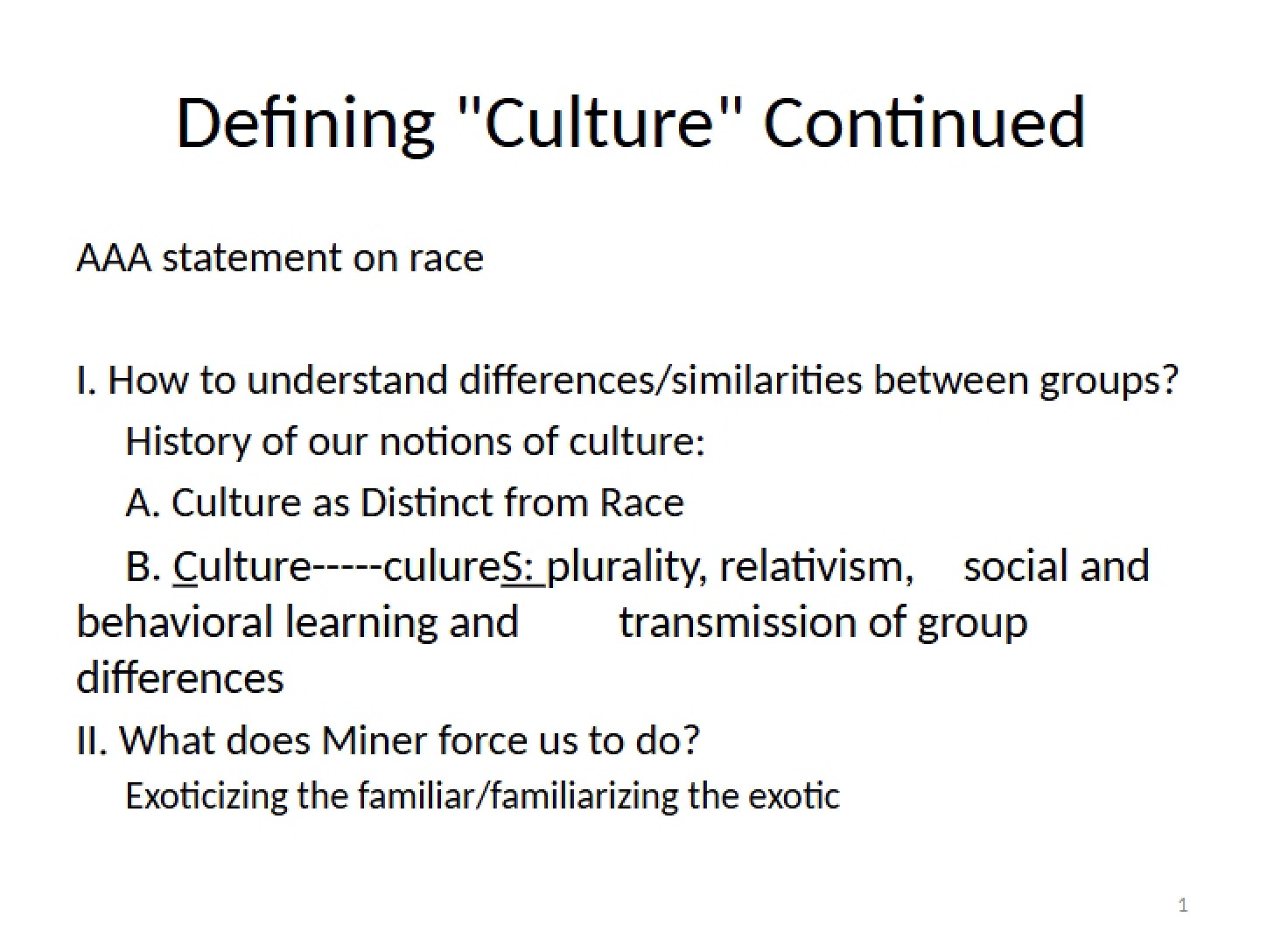
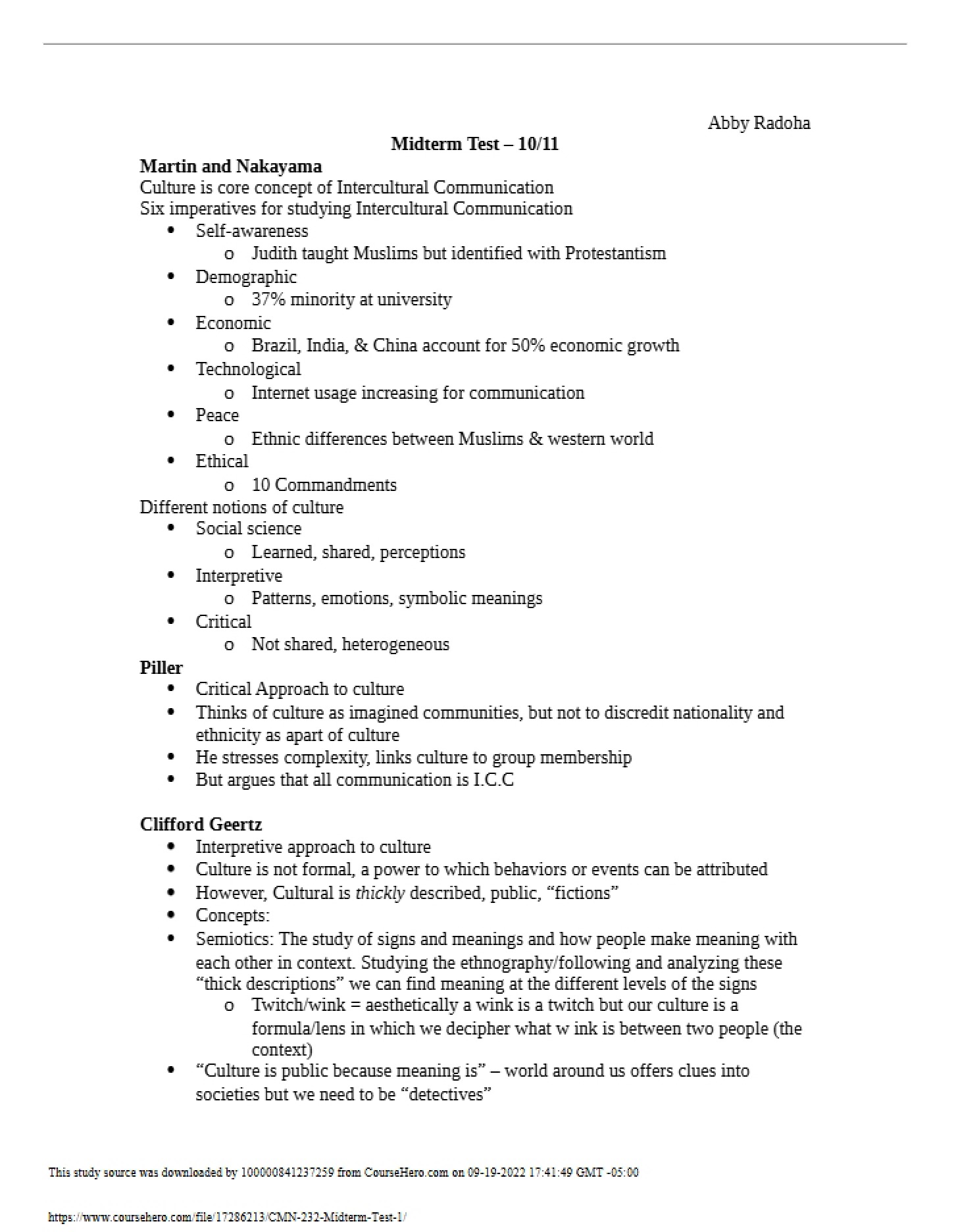
* Theoretical frameworks for understanding cross-cultural communication styles.
* Analysis of specific cultural communication differences.
* The relationship between language, discourse, and the formation of intergroup stereotypes.
* The role of identity in shaping communication practices.
* Practical considerations for improving intercultural competence.
What This Document Provides
* A comparative overview of different approaches to studying intercultural communication.
* Points for critical reflection on the strengths and limitations of various theoretical models.
* Discussion questions designed to stimulate deeper thinking about the material.
* Connections to external resources, including video examples, for further exploration.
* Guidance on applying theoretical concepts to real-world intercultural encounters.