What This Document Is
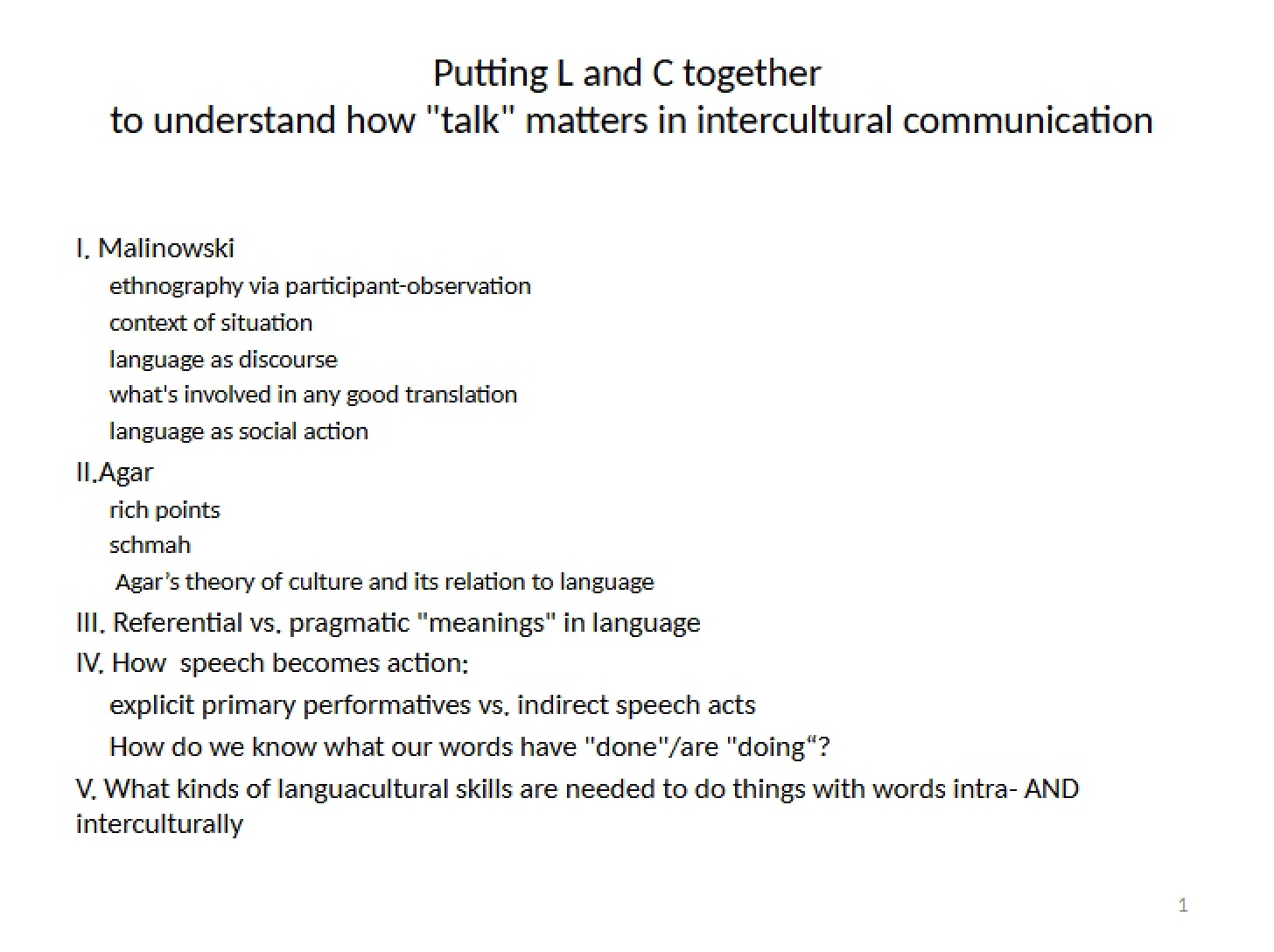
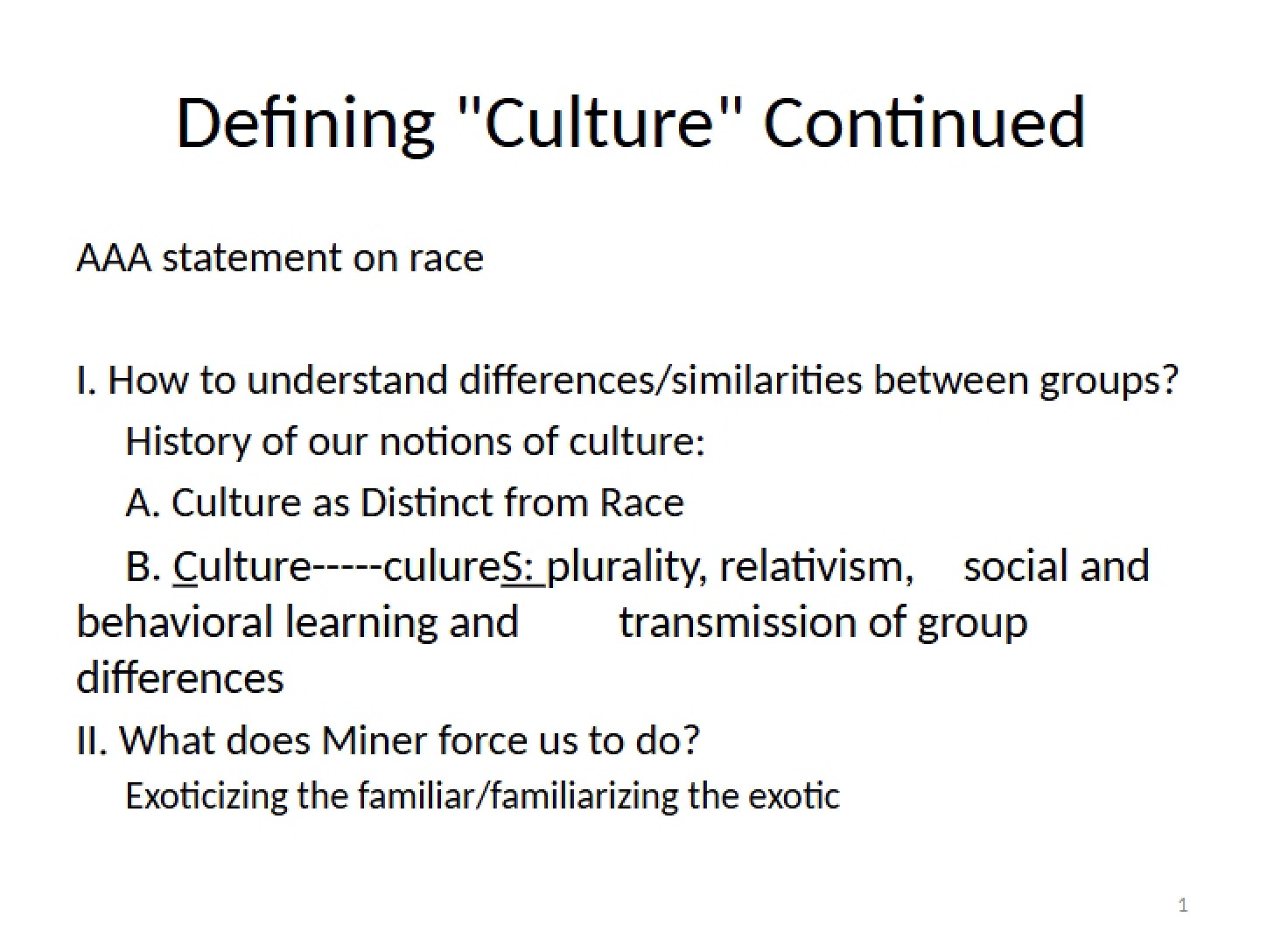
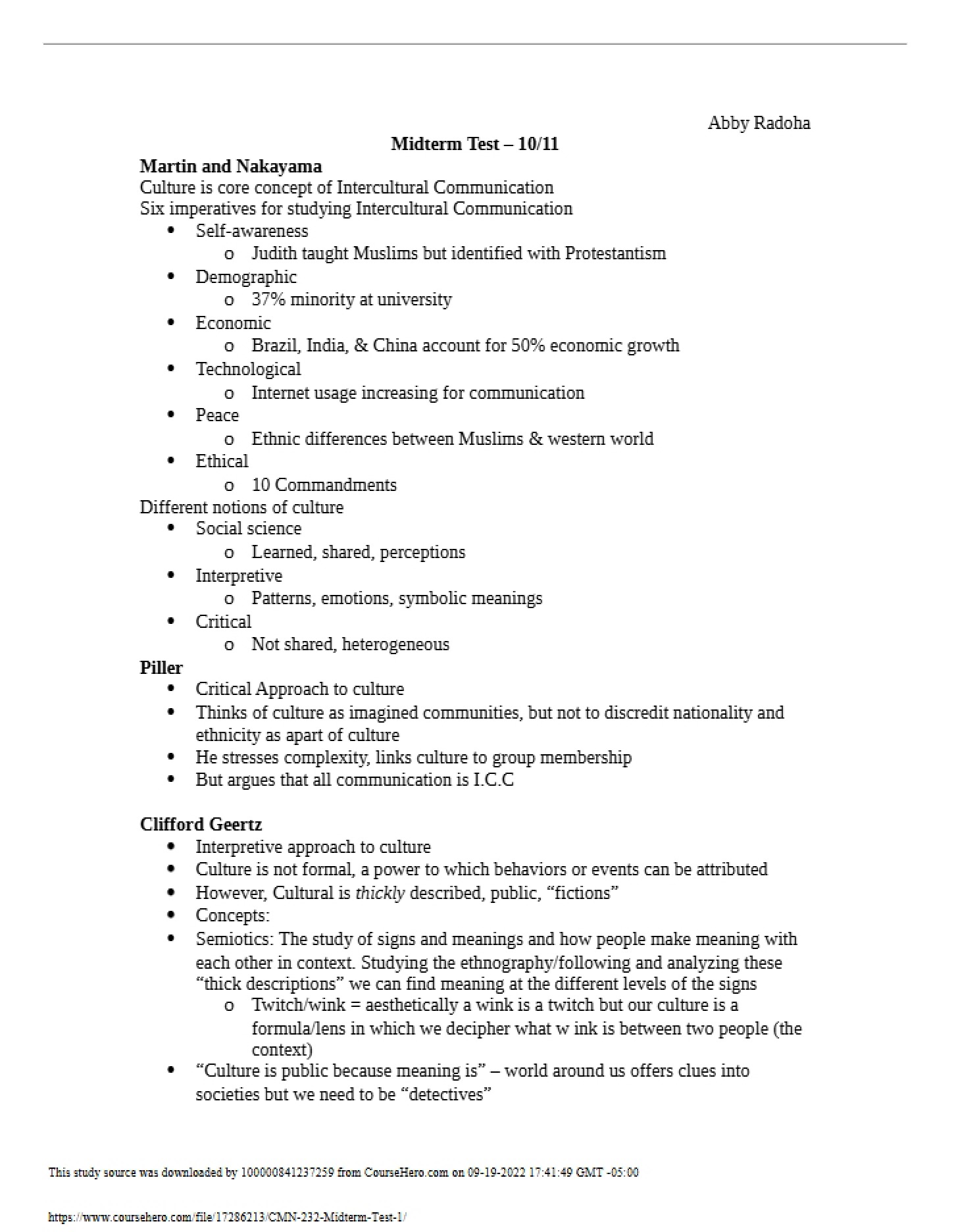
This resource is a detailed exploration of the relationship between language and culture, specifically within the framework of intercultural communication. It delves into theoretical perspectives on how these two fundamental aspects of human interaction are connected, separated, and potentially reintegrated for a more comprehensive understanding. It builds upon foundational linguistic concepts and applies them to real-world intercultural scenarios.
Why This Document Matters
Students enrolled in introductory intercultural communication courses – or those seeking a deeper understanding of how language shapes and reflects culture – will find this material particularly valuable. It’s ideal for use when preparing for class discussions, working on assignments that require analytical thinking about language use, or studying for assessments that test comprehension of key theoretical models. This resource is designed to enhance your ability to critically analyze communication patterns across different cultural contexts.
Topics Covered
* Foundational linguistic theories and their application to intercultural communication.
* The historical development of thought regarding the language-culture relationship.
* The distinction between formal language systems and language in use.
* Key components of language analysis: phonetics, phonology, morphology, and syntax.
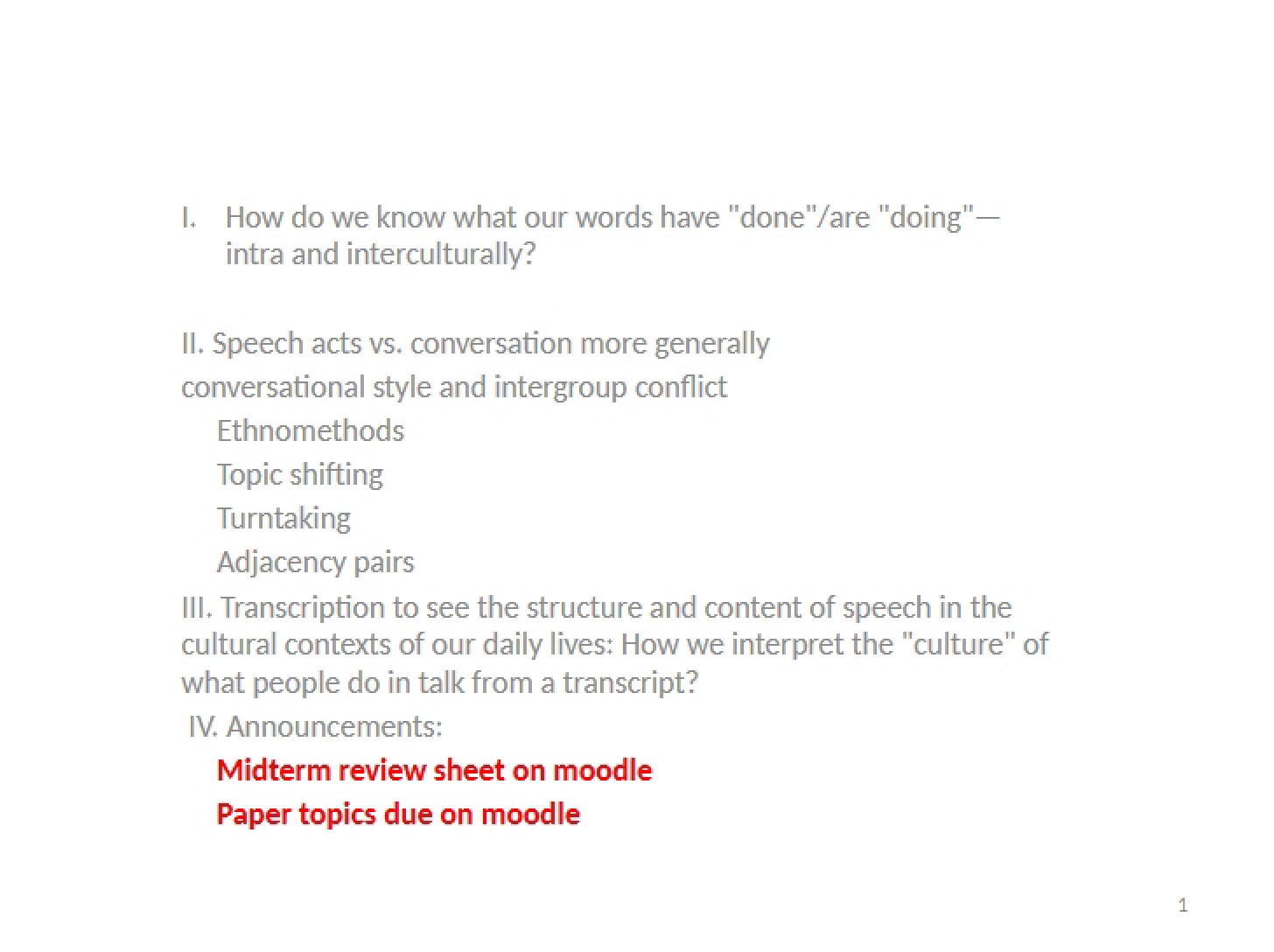
* The role of pragmatics in understanding meaning within social and cultural contexts.
* How language performs actions and creates social realities.
* Exploring the concept of “languaculture” and its implications.
What This Document Provides
* A structured overview of influential theories in the field of linguistics.
* A framework for analyzing language beyond its structural components.
* Considerations for selecting and approaching research topics related to language and culture.
* Insights into how subtle linguistic features can carry significant cultural weight.
* A foundation for understanding the complexities of intercultural communication.