What This Document Is
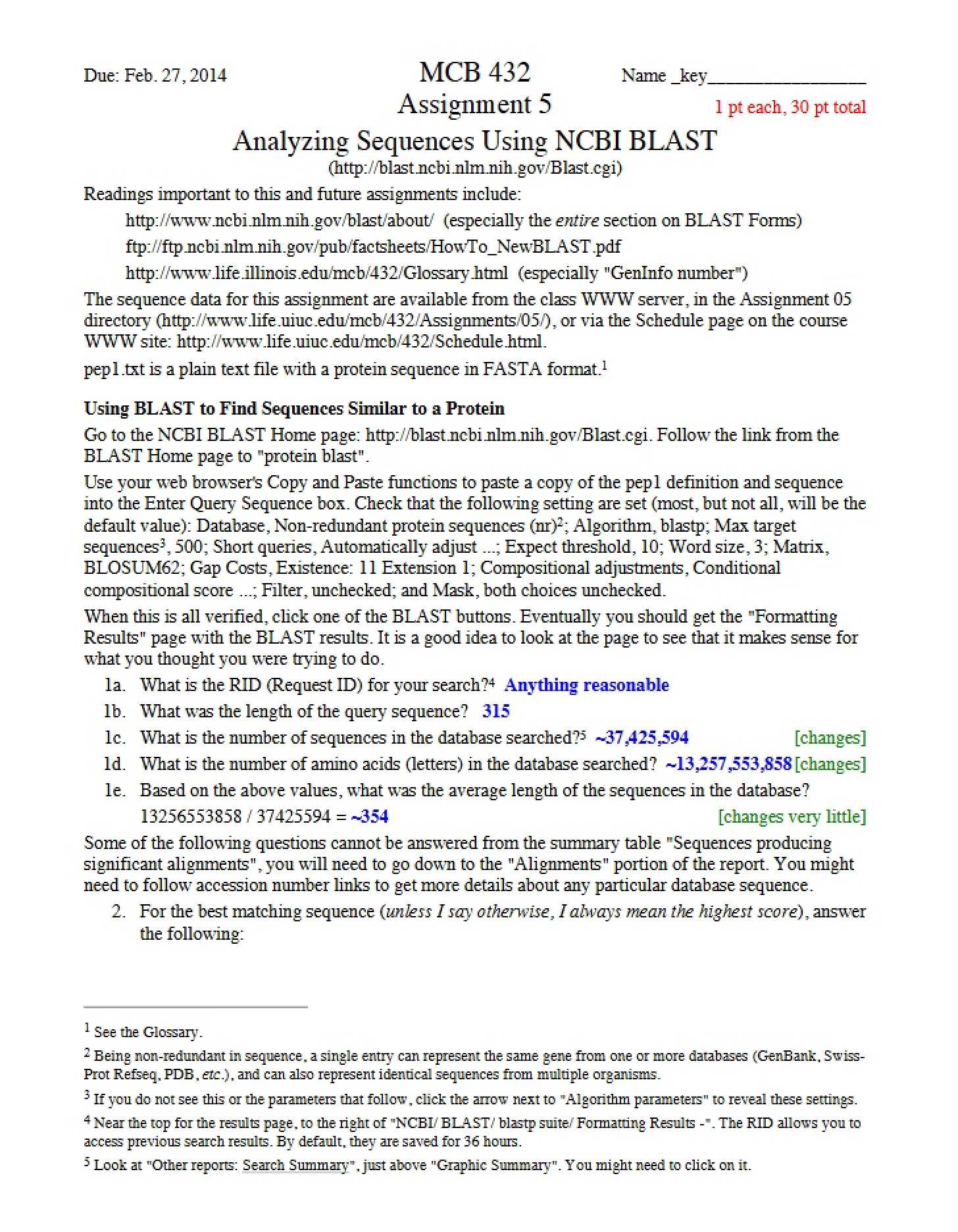
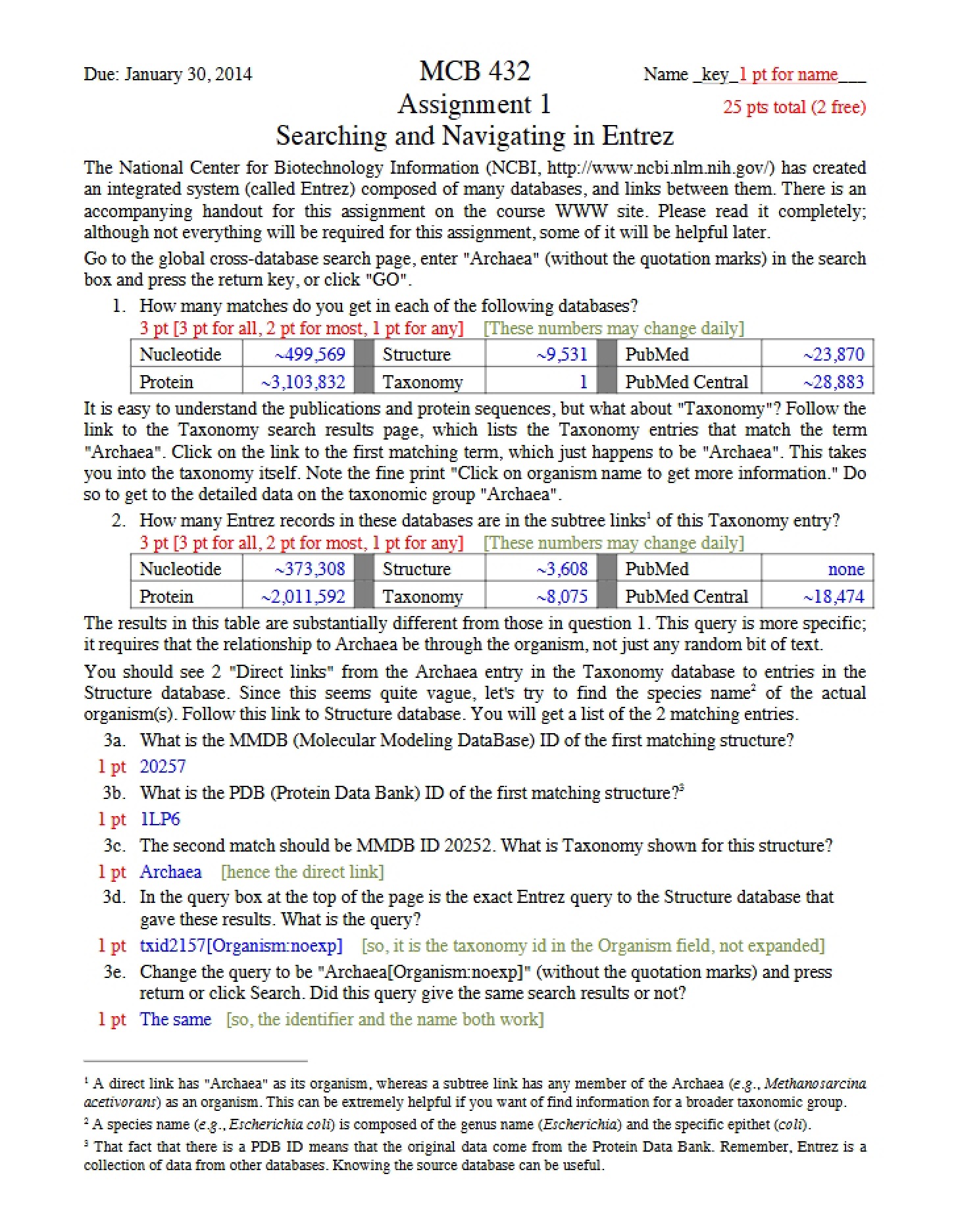
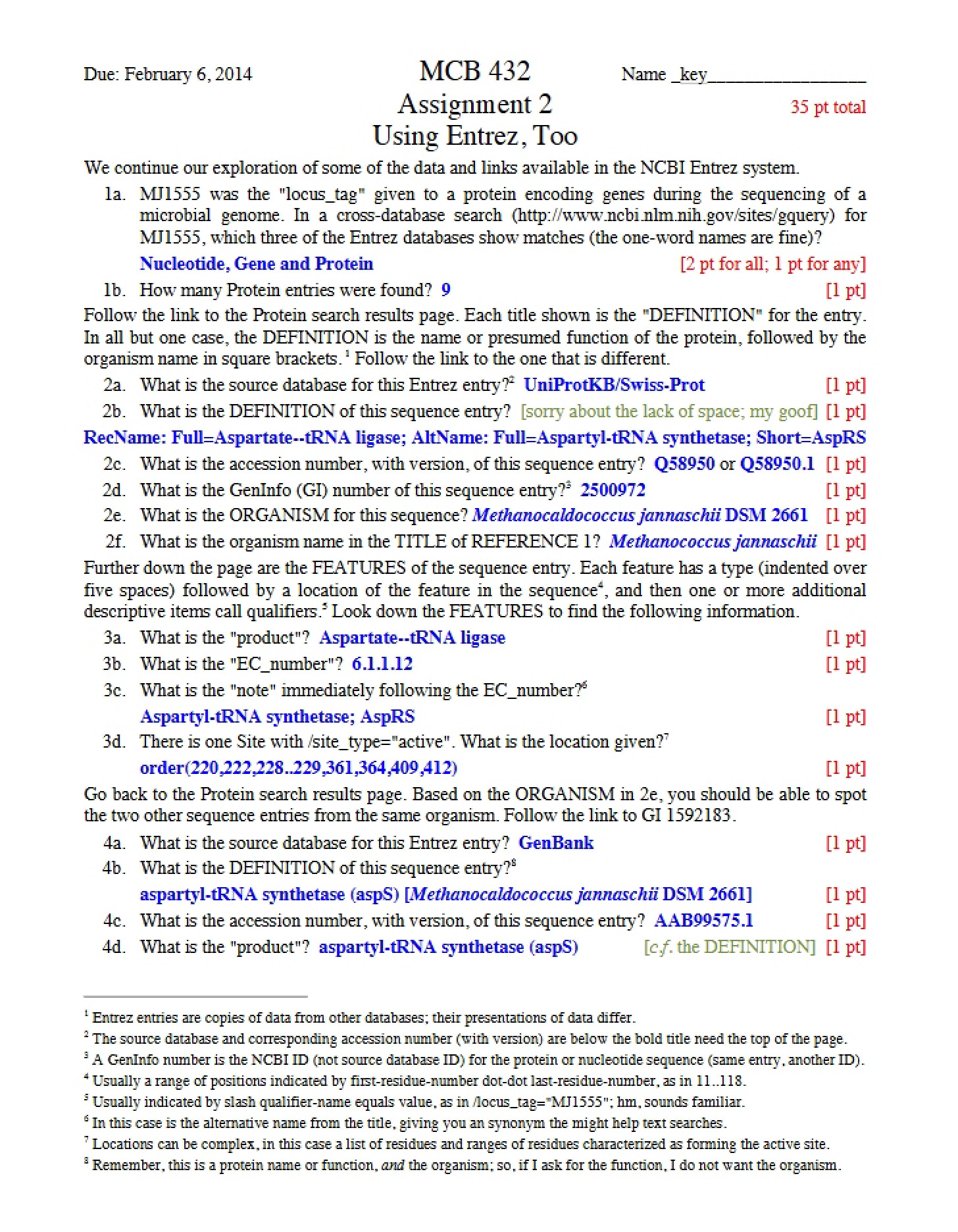
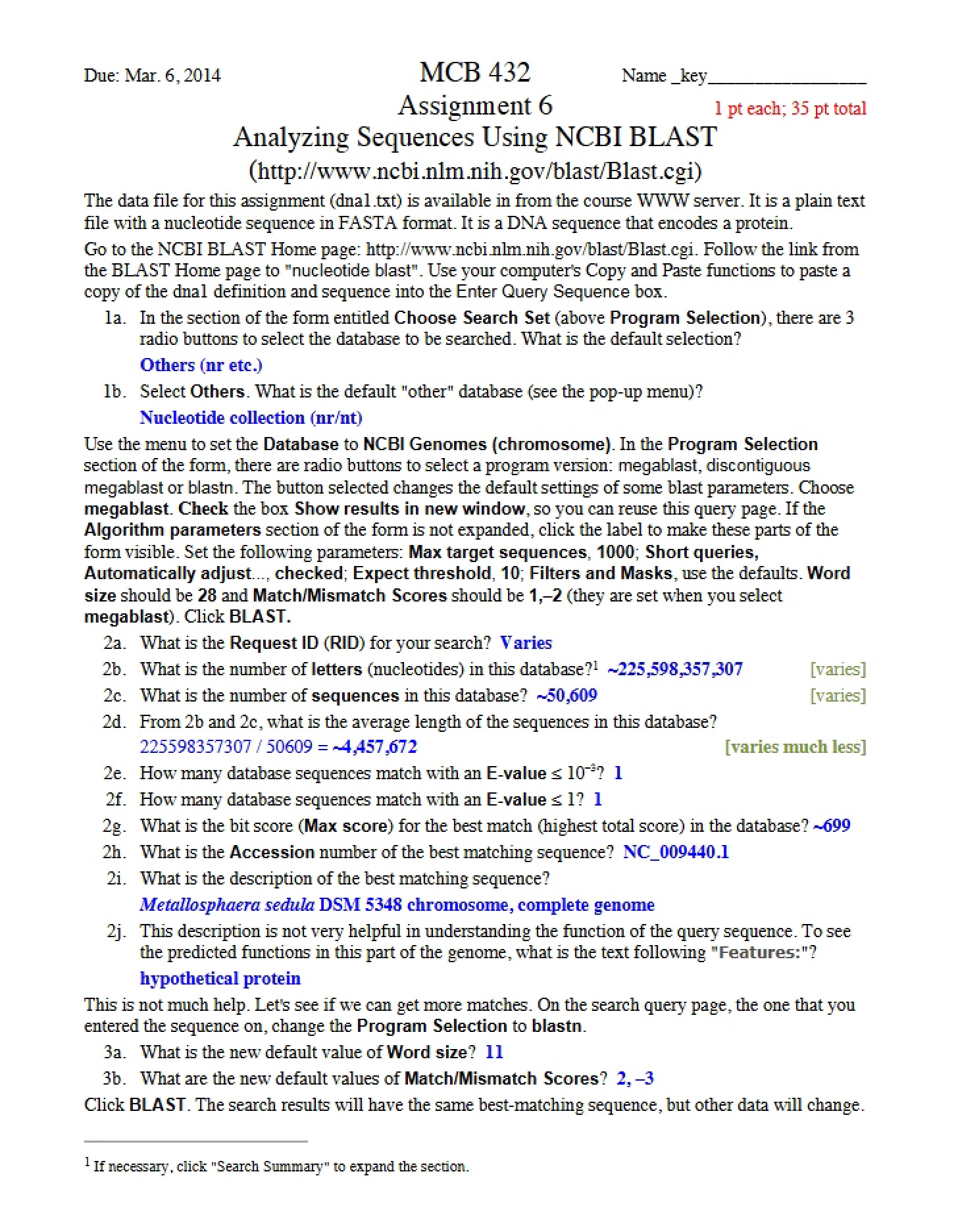
This document is a key – a solution guide – for Assignment 9 in MCB 432, Computing in Molecular Biology at the University of Illinois at Urbana-Champaign. The assignment centers around utilizing and interpreting data found within the SEED database, a comprehensive resource for prokaryotic genomes and their functional annotations. It’s designed to test your ability to navigate biological databases, extract specific information, and draw connections between genomic features, taxonomic classifications, and protein functions. The assignment focuses on a specific genomic feature and requires comparative analysis across different organisms.
Why This Document Matters
This key is invaluable for students who have completed Assignment 9 and wish to verify their understanding of the concepts. It’s particularly helpful for identifying areas where you may have encountered difficulties in interpreting the SEED database or applying the learned techniques. Reviewing this key can solidify your comprehension of bioinformatics principles and improve your skills in genomic data analysis. It’s best used *after* a sincere attempt to complete the assignment independently, as simply following the key without prior effort will hinder your learning.
Common Limitations or Challenges
This key provides the completed assignment, but it does not offer detailed explanations of *why* certain answers are correct. It won’t walk you through the thought process required to arrive at the solutions, nor will it provide additional background information on the biological concepts involved. It assumes you have a foundational understanding of molecular biology, genomics, and bioinformatics terminology. Furthermore, it doesn’t substitute for a thorough understanding of the course materials and the specific instructions provided for Assignment 9.
What This Document Provides
* Detailed responses corresponding to each question in Assignment 9.
* Specific data points extracted from the SEED database related to a designated genomic feature.
* Information regarding taxonomic classifications and their relation to genomic data.
* Answers relating to protein function annotations and database cross-references (like UniProt and RefSeq).
* Results of comparative analyses performed using phylogenetic trees within the SEED database.
* Identified relationships between genomes based on shared protein sequences and functions.