What This Document Is
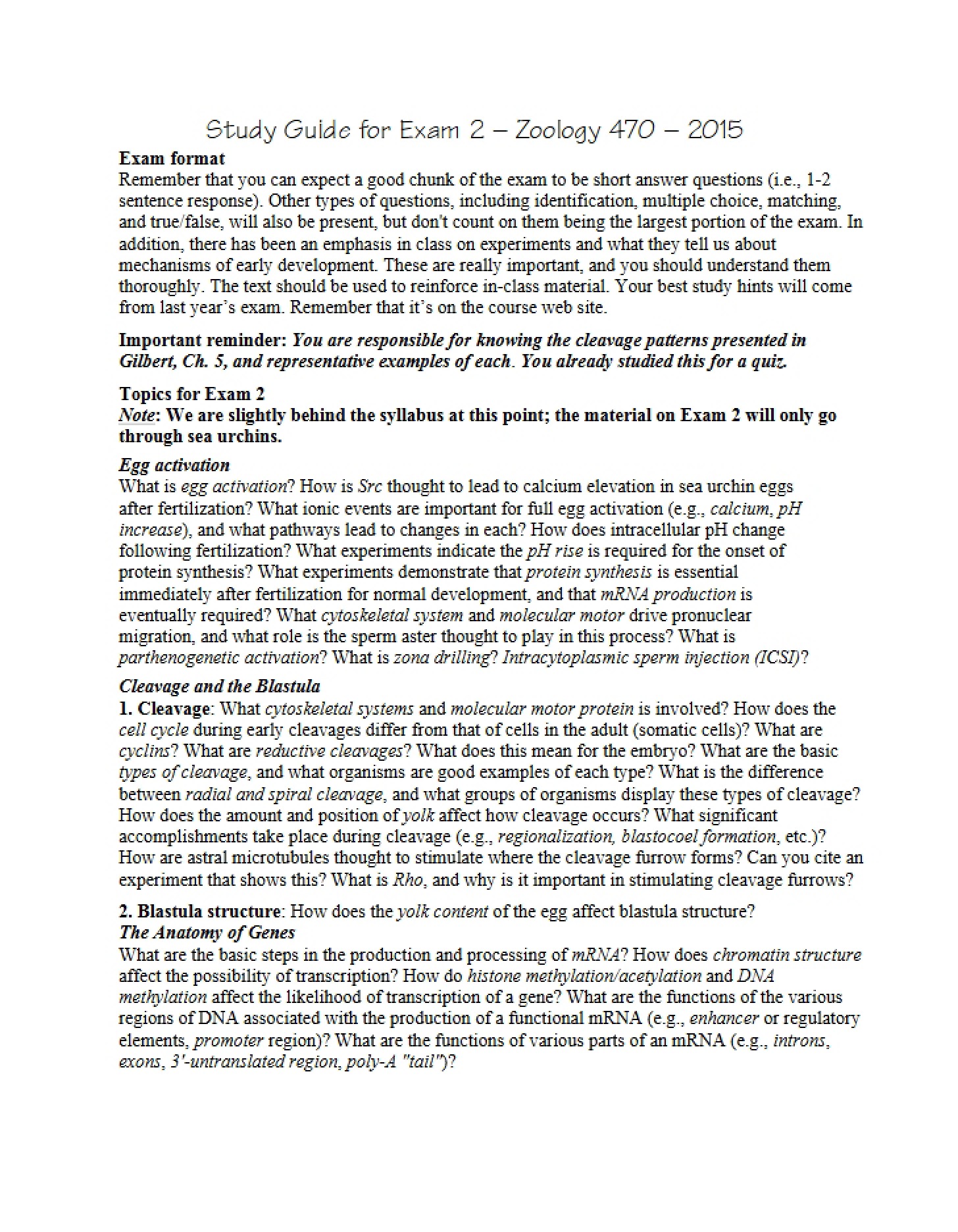
This document is a key – a detailed answer guide – for an exam administered in Zoology 470, an introductory course on Animal Development at the University of Wisconsin-Madison. Specifically, it’s the key for Exam #2 from the 2014 offering of the course. It’s designed to reflect the expected depth of understanding for students tackling core concepts in developmental biology. The key covers a range of topics central to understanding how multicellular organisms are built from a single cell.
Why This Document Matters
This resource is invaluable for students currently enrolled in, or preparing for, a similar animal development course. It’s particularly useful for self-assessment *after* attempting practice questions or a past exam. By reviewing the key, students can pinpoint areas where their understanding aligns with course expectations and identify concepts needing further study. It’s a strong tool for solidifying knowledge and improving exam performance, offering insight into the level of detail and precision expected by instructors in this field.
Common Limitations or Challenges
This key provides answers and explanations related to specific questions from a past exam. It does *not* function as a comprehensive textbook or lecture replacement. It assumes a foundational understanding of the course material. Furthermore, while it offers detailed reasoning, it won’t teach you the underlying concepts if you haven’t already engaged with the course material. It is also important to note that exam questions and content may vary in subsequent offerings of the course.
What This Document Provides
* Detailed responses to short answer questions covering fundamental concepts in animal development.
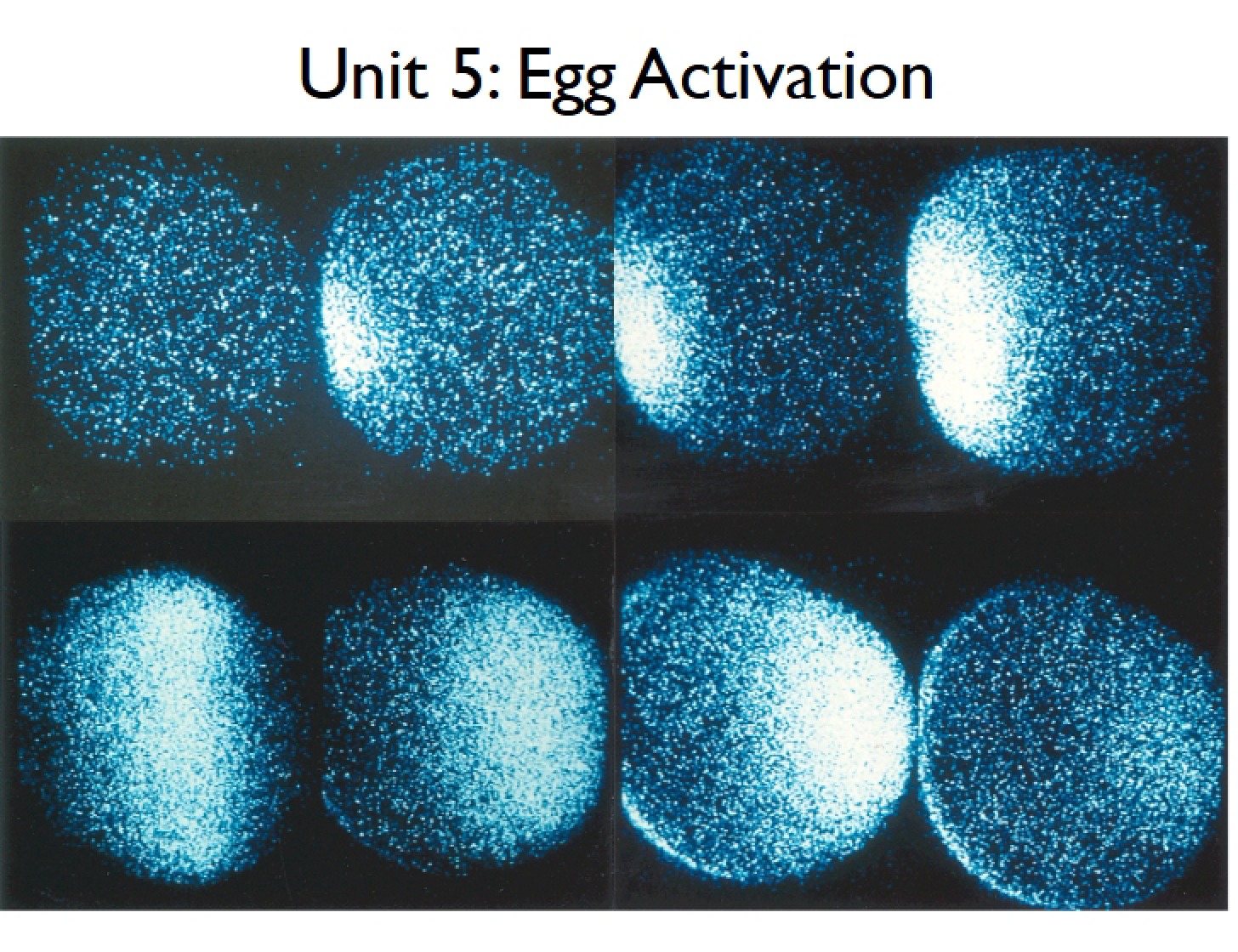
* Explanations relating to key processes in egg activation and their underlying mechanisms.
* Discussion of the roles of specific genes and signaling molecules in sex determination.
* True/False statements designed to test understanding of core principles.
* Insight into the expected level of detail and scientific reasoning required for successful exam performance in this course.
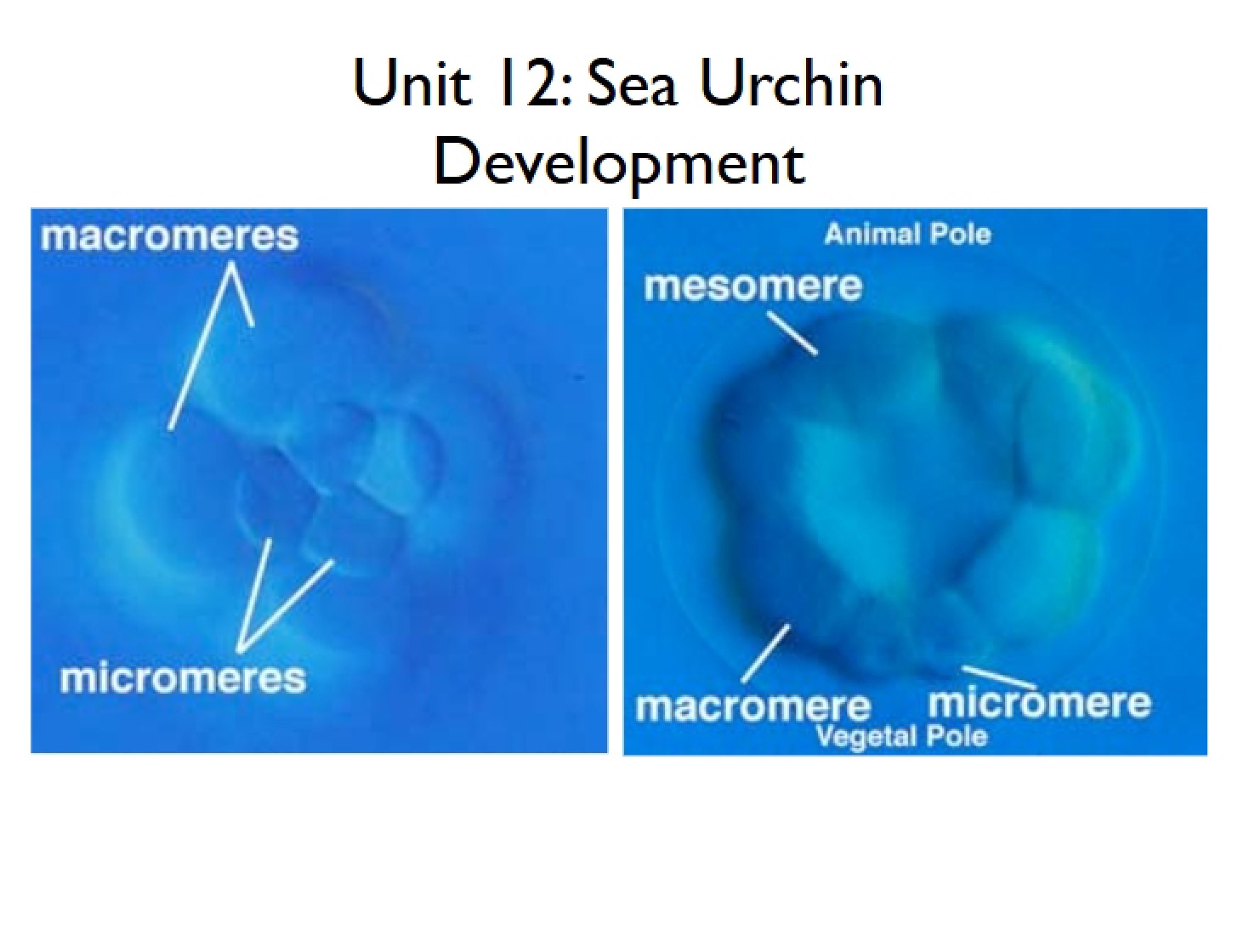
* Coverage of topics including germ layer formation, cleavage patterns, and gene regulation.