What This Document Is
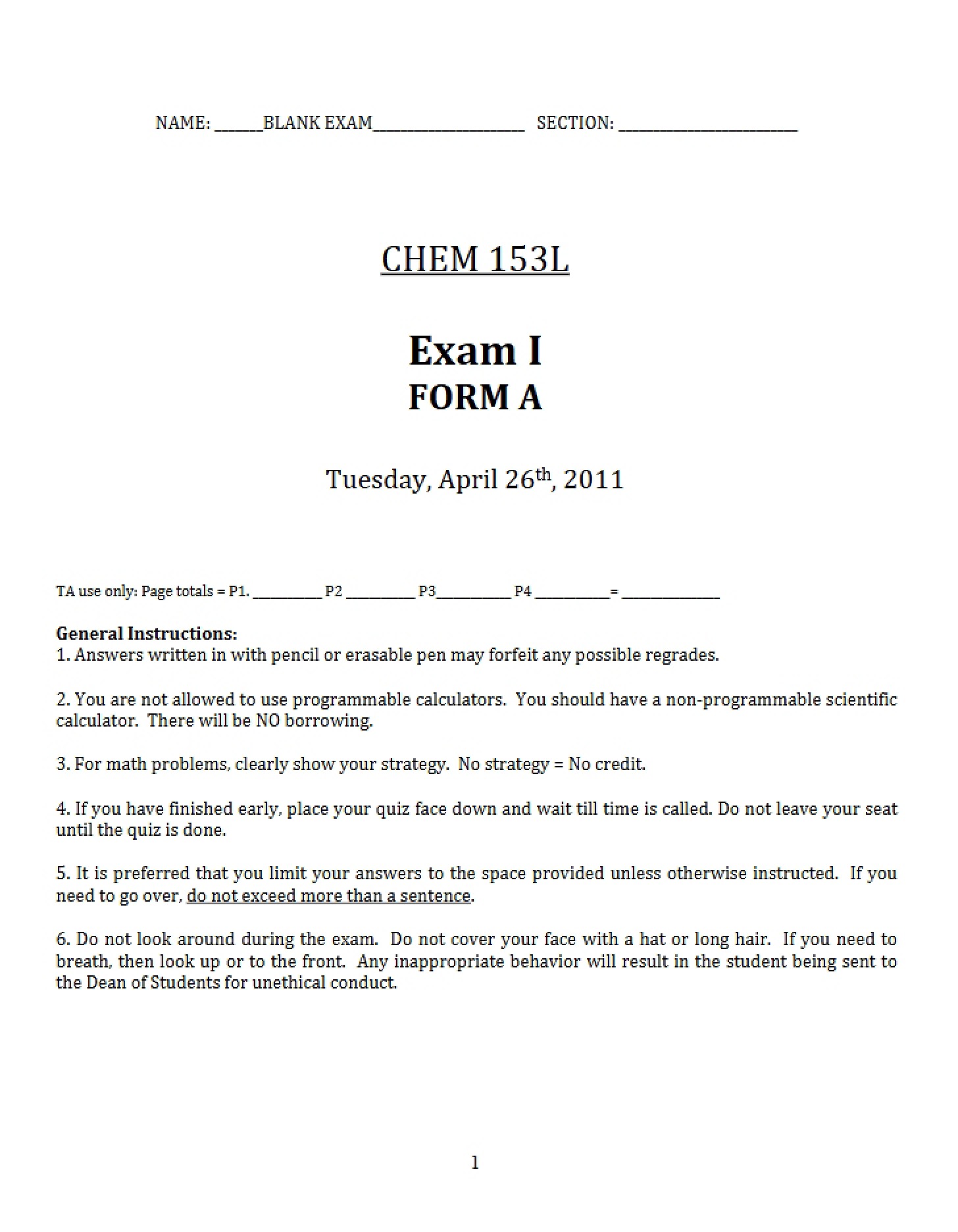
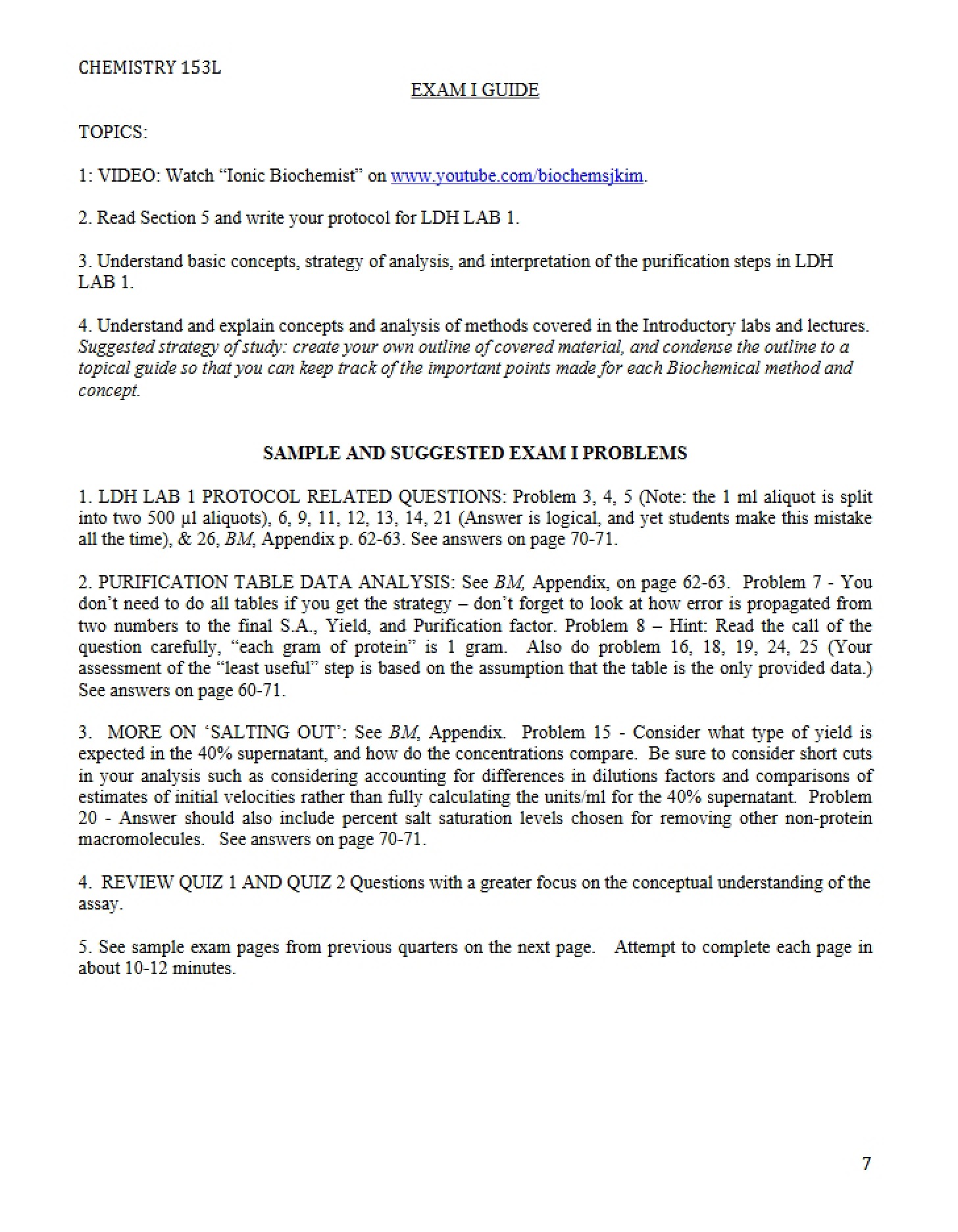
This document is an answer key for Exam I of CHEM 153L, Biochemical Methods I, offered at the University of California, Los Angeles. It provides detailed responses relating to core concepts and practical applications explored within the course, specifically focusing on the principles and techniques covered up to the first examination. It’s designed to offer insight into the expected level of understanding and the types of questions students encounter.
Why This Document Matters
This resource is invaluable for students currently enrolled in or having recently completed CHEM 153L. It’s particularly helpful for reviewing performance on past assessments, identifying areas needing further study, and understanding the instructor’s expectations. Accessing this key allows for a deeper comprehension of biochemical methods and reinforces learning through a detailed examination of previously assessed material. It’s best utilized *after* attempting the original exam to maximize its learning potential.
Topics Covered
* Principles of macromolecular separation techniques, such as centrifugation.
* Protein purification methods, including salt precipitation (ammonium sulfate fractionation).
* Enzyme kinetics and the importance of controlled experimental conditions.
* The role of buffers in maintaining enzyme activity and stability.
* Factors influencing enzyme activity and potential causes of activity loss.
* Understanding the impact of environmental factors on biochemical reactions.
What This Document Provides
* Detailed explanations relating to concepts tested on Exam I.
* Justification of reasoning behind answers, demonstrating the thought process expected for full credit.
* Insight into the specific factors considered when analyzing experimental results.
* Clarification of the importance of precise methodology in biochemical experiments.
* A comprehensive overview of the key principles assessed in the first exam of the course.