What This Document Is
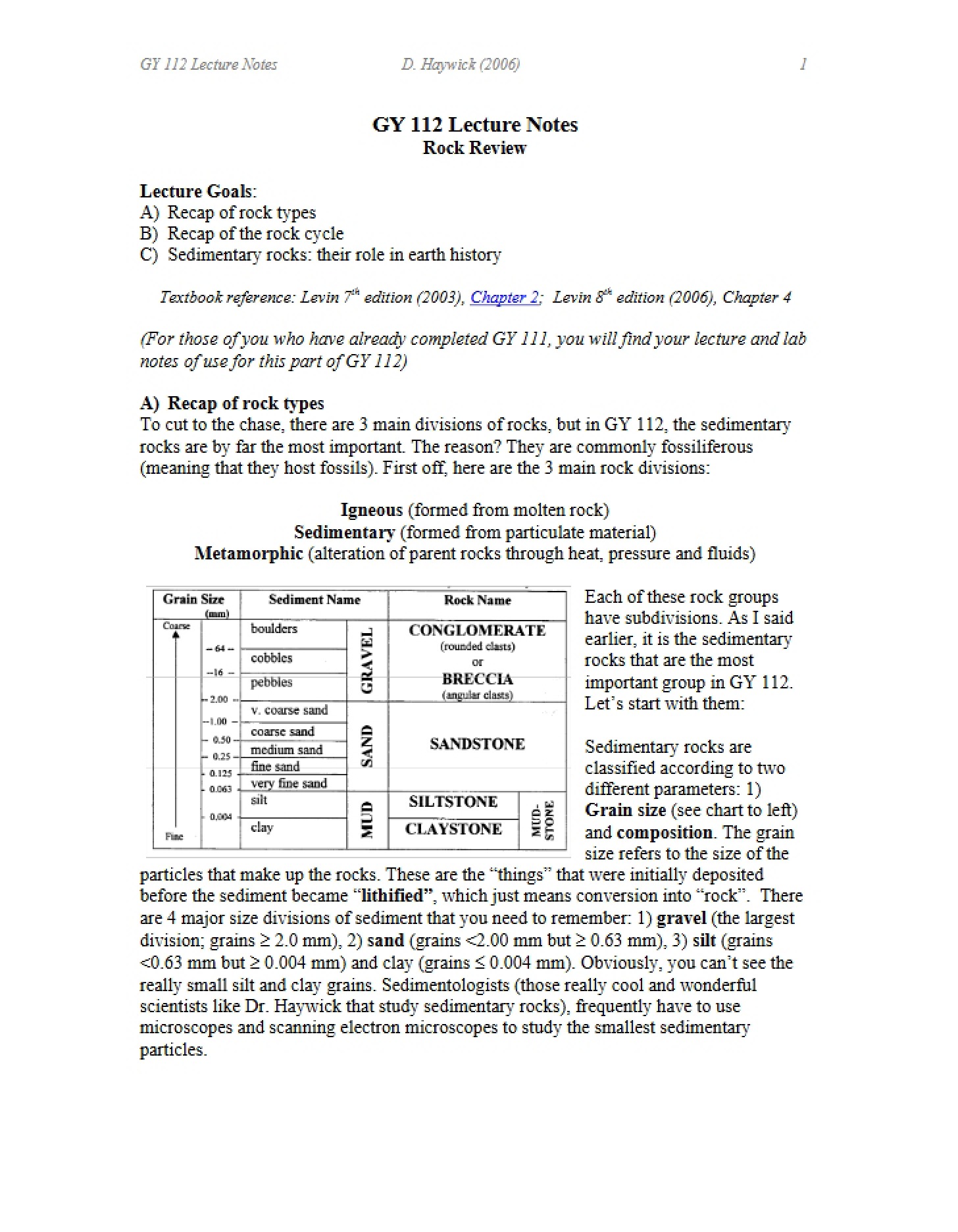
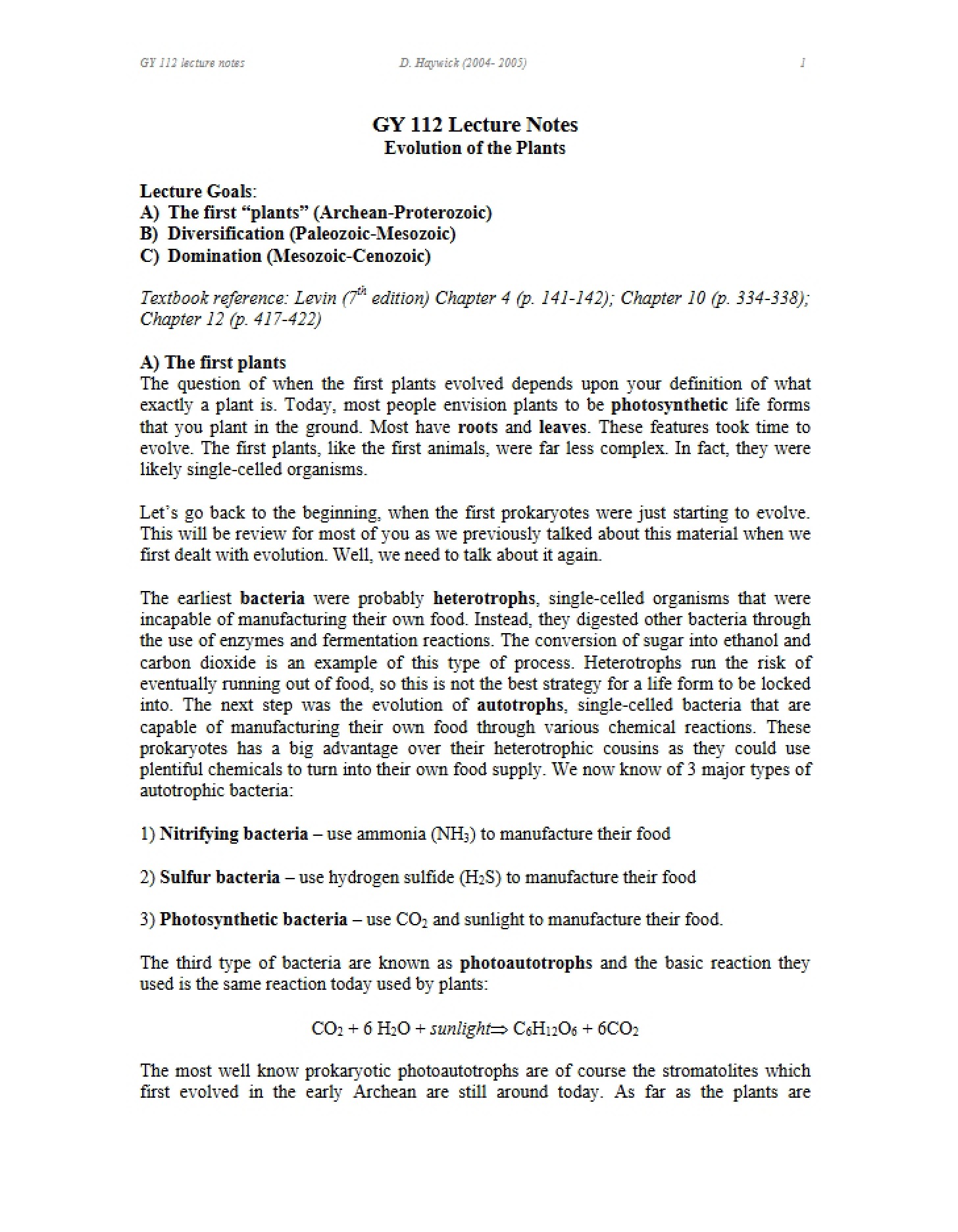
This is a laboratory assignment designed for an introductory Earth History course (GY 112L) at the University of South Alabama. The assignment focuses on the practical identification and interpretation of sedimentary rocks and understanding how they form within different geological settings. It centers around analyzing a series of rock specimens – both individual samples and curated “rock suites” – to deduce their origins and the environments in which they were deposited. The lab emphasizes applying observational skills and geological principles to real-world rock samples.
Why This Document Matters
This assignment is crucial for students learning about the rock cycle and Earth’s history. Successfully completing this lab will reinforce your ability to classify sedimentary rocks based on their characteristics, and to connect those characteristics to specific depositional environments. It’s particularly helpful when preparing for fieldwork, or when needing to interpret geological maps and cross-sections. Students enrolled in GY 112L will need this assignment to achieve a passing grade in the course. It’s best utilized *during* a lab session, alongside the provided rock samples, and after reviewing relevant course lecture material.
Common Limitations or Challenges
This assignment requires hands-on analysis of physical rock samples, which are not included with this document. The assignment itself provides the framework for analysis and the questions to answer, but it does not contain the answers or detailed explanations of how to arrive at them. Students will need to rely on their own observations, course readings, and potentially instructor guidance to complete the tasks. It assumes a basic understanding of sedimentary rock terminology and depositional environments.
What This Document Provides
* A series of targeted questions relating to specific rock specimens and rock suites.
* A structured approach to analyzing siliciclastic sedimentary rocks, including sandstones and shales.
* Opportunities to interpret paleoenvironments of deposition, considering factors like grain size, shape, and composition.
* Exercises focused on identifying rocks associated with evaporite basins.
* Questions designed to assess understanding of the relationship between rock color and depositional conditions.
* A bonus question prompting consideration of paleotectonic settings.