What This Document Is
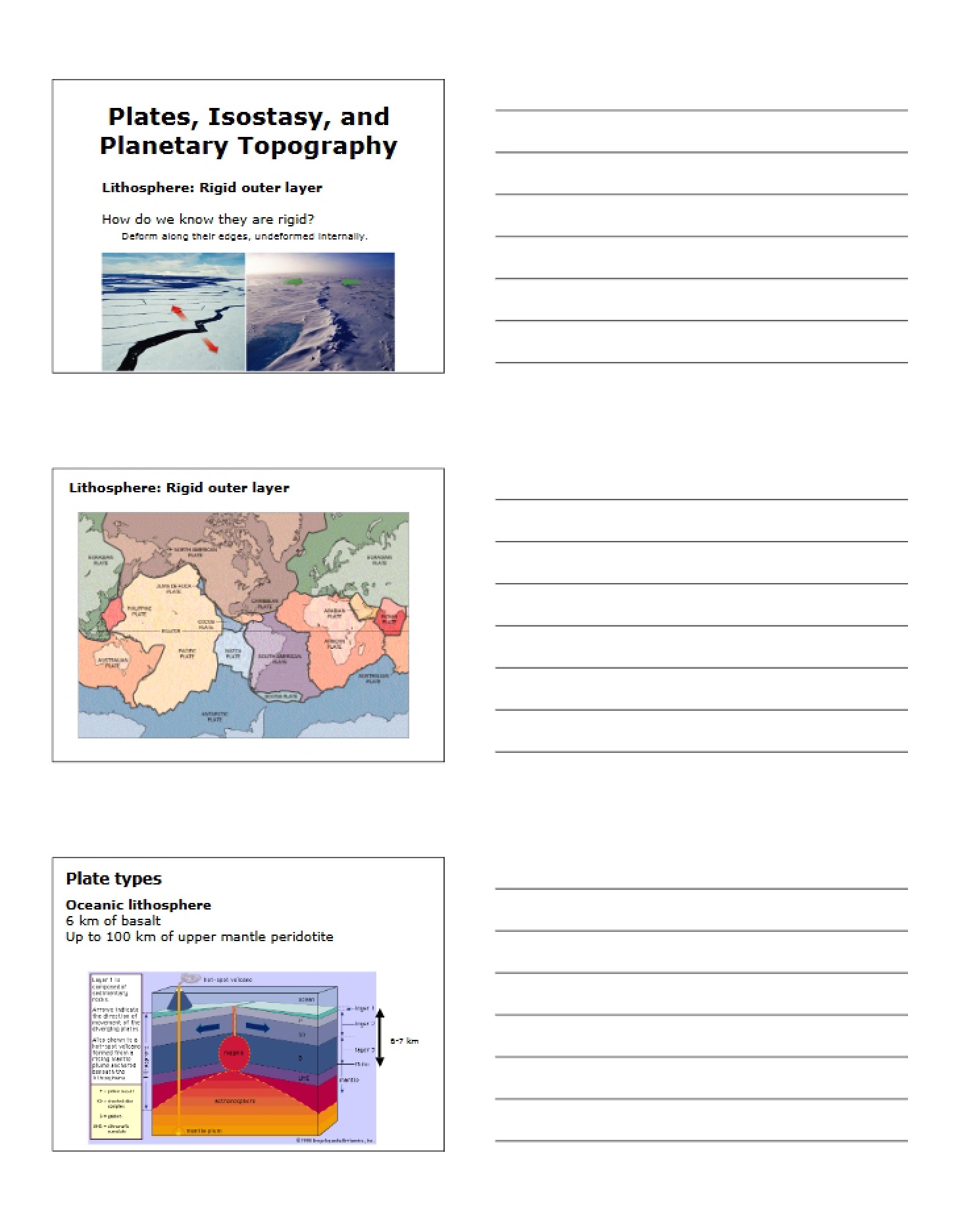
This is a laboratory exercise designed for an introductory Earth Science course focusing on the principles of isostasy. It’s a hands-on exploration of how the Earth’s crust interacts with the mantle below, and how variations in density and thickness influence the planet’s topography. This lab builds upon foundational concepts in geology and geophysics, offering a practical application of theoretical knowledge. It’s part of a larger course examining the dynamic processes shaping our planet, specifically related to plate tectonics and vertical crustal movement.
Why This Document Matters
This lab is essential for students in Earth Science, Geology, or Geophysics who are seeking a deeper understanding of the forces that create and maintain Earth’s landforms. It’s particularly useful when studying topics like mountain building, continental drift, and the relationship between density and buoyancy in geological systems. Students will benefit from working through this material to solidify their grasp of isostatic equilibrium and its implications for understanding Earth’s structure and evolution. Accessing the full lab will allow you to engage with the concepts in a practical, problem-solving manner.
Topics Covered
* The concept of isostatic equilibrium
* Density and its role in isostasy
* Relationship between mass, pressure, and depth within the Earth
* Application of pressure balance equations to geological scenarios
* Vertical crustal dynamics and topographic variations
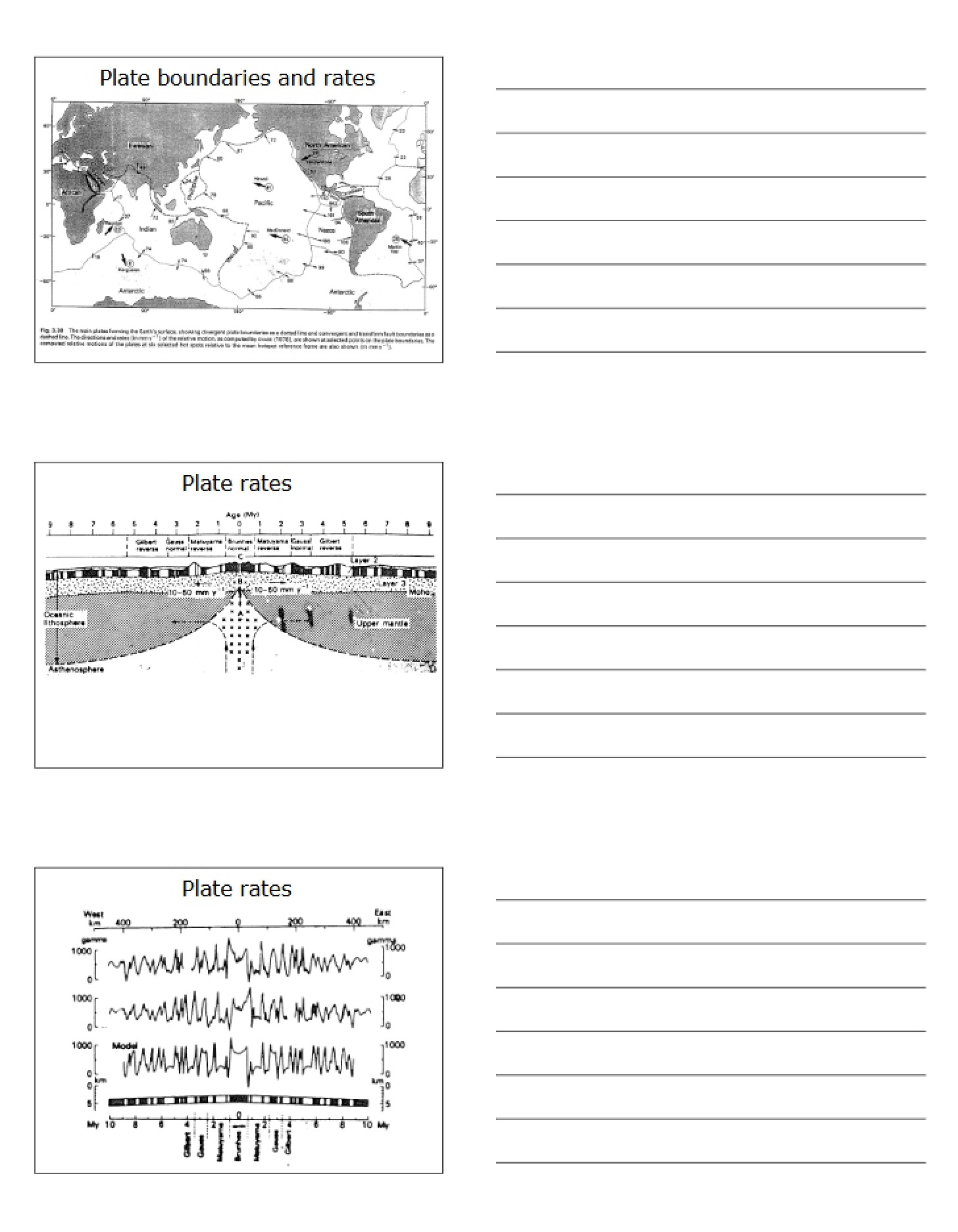
* The connection between isostasy and plate tectonics
What This Document Provides
* Preparation questions designed to activate prior knowledge.
* A detailed introduction to the historical context and significance of isostasy.
* A framework for understanding how isostatic adjustments occur in response to changes in mass distribution.
* A mathematical equation used to model isostatic equilibrium.
* Guidance on interpreting the relationship between density, thickness, and pressure in geological systems.
* A foundation for applying isostatic principles to solve real-world geological problems.