What This Document Is
This is a detailed laboratory manual focused on foundational concepts in human performance, specifically body composition and aerobic capacity. It’s designed to accompany hands-on learning experiences within an exercise science course, providing context and background information for practical application. The material explores methods for assessing physical fitness and understanding the physiological basis of performance.
Why This Document Matters
This resource is invaluable for students in exercise science, kinesiology, or related fields who are seeking a deeper understanding of human physiological assessment. It’s particularly useful when preparing for lab sessions, reviewing concepts after practical work, or studying for related coursework. Individuals interested in fitness assessment and the science behind body composition and aerobic fitness will also find this a helpful reference. It bridges the gap between theoretical knowledge and practical application, preparing you to critically evaluate fitness data.
Common Limitations or Challenges
This document focuses on the *principles* and *methods* of assessment. It does not provide personalized fitness recommendations or interpretations of individual results. It also doesn’t cover advanced statistical analysis or detailed explanations of complex physiological pathways beyond those directly relevant to the lab exercises. The document assumes a basic understanding of human anatomy and physiology. It is designed to be used *in conjunction* with instructor guidance and practical lab experience.
What This Document Provides
* An overview of body composition, including essential fat levels.
* A comparative analysis of various body composition assessment techniques, highlighting their strengths and weaknesses.
* Key formulas for calculating important metrics related to body composition.
* Information on identifying body fat distribution patterns.
* An introduction to aerobic capacity and VO2 max.
* Criteria used to determine maximal effort during aerobic testing.
* An explanation of the principles and limitations of a specific submaximal aerobic capacity test.
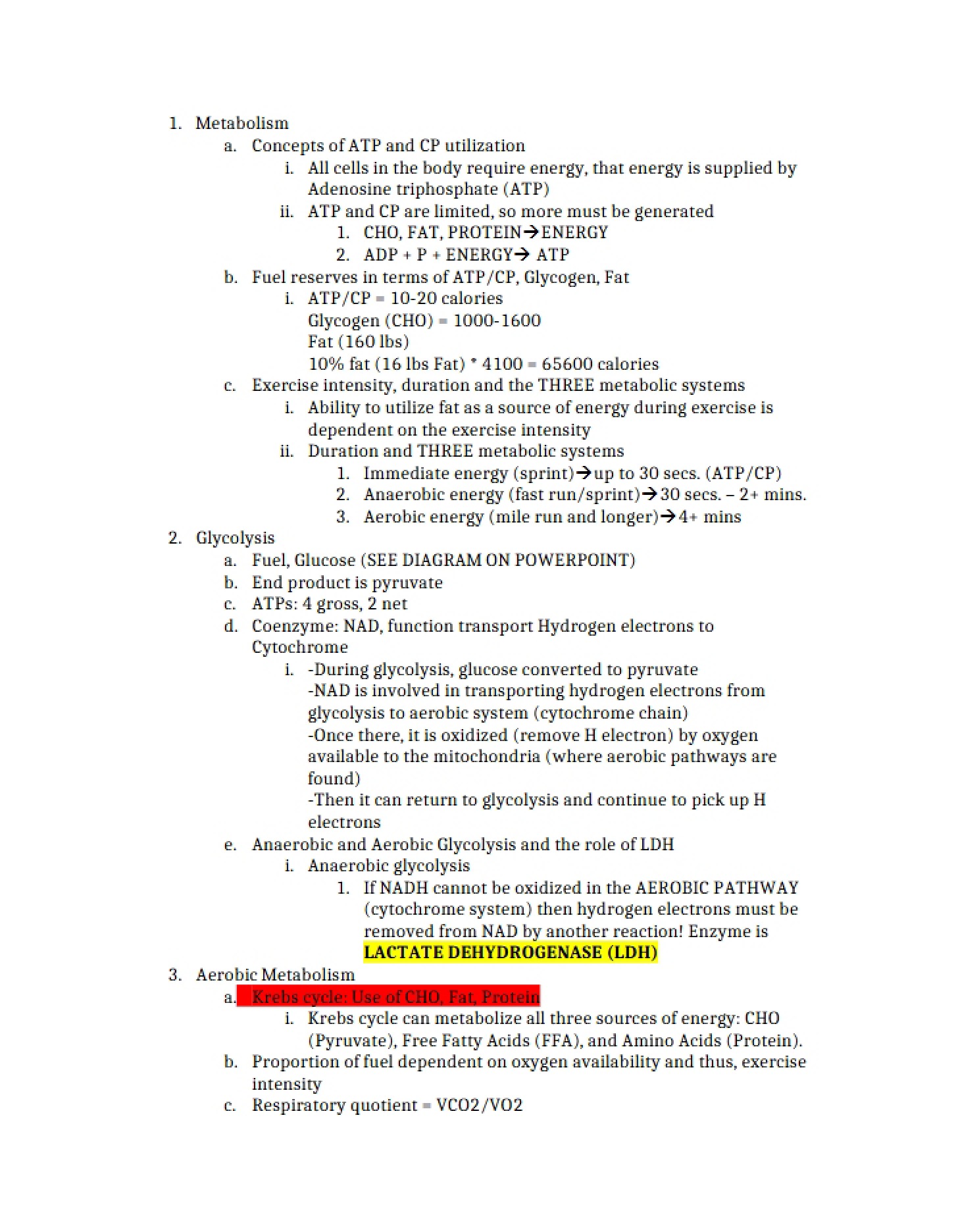
* A discussion of the differences between aerobic and anaerobic energy systems.
* Considerations regarding gender differences in aerobic capacity.