What This Document Is
This resource is a set of lecture slides designed to accompany instruction in PSYC 390: Psychology of Learning at the University of Idaho. It provides a foundational overview of core concepts within the field of learning psychology, exploring the historical and philosophical underpinnings that have shaped our understanding of how behaviors are acquired and modified. It’s intended to be used in conjunction with audio lectures or video presentations for a comprehensive learning experience.
Why This Document Matters
This material is particularly beneficial for students enrolled in learning psychology courses, or those in related fields like education, behavioral neuroscience, or cognitive psychology. It’s ideal for reviewing key ideas before an exam, solidifying understanding after a lecture, or gaining a structured overview of the subject matter. Students seeking a deeper grasp of the theoretical frameworks that explain learning processes will find this a valuable resource. Access to the full content will unlock a detailed exploration of these critical concepts.
Topics Covered
* Defining learning: Exploring various perspectives and historical interpretations.
* Philosophical roots of learning theory: Examining the influence of Empiricism, Nativism, and Rationalism.
* The debate between Determinism and Free Will in relation to behavior.
* Associationism and Atomism: Understanding how these concepts contribute to learning theories.
* Scientific Materialism and its impact on the study of learning.
* The nature of behavioral change: Investigating the potential and permanence of learned behaviors.
* Distinguishing learning from other influencing factors.
What This Document Provides
* A structured presentation of key concepts in learning psychology.
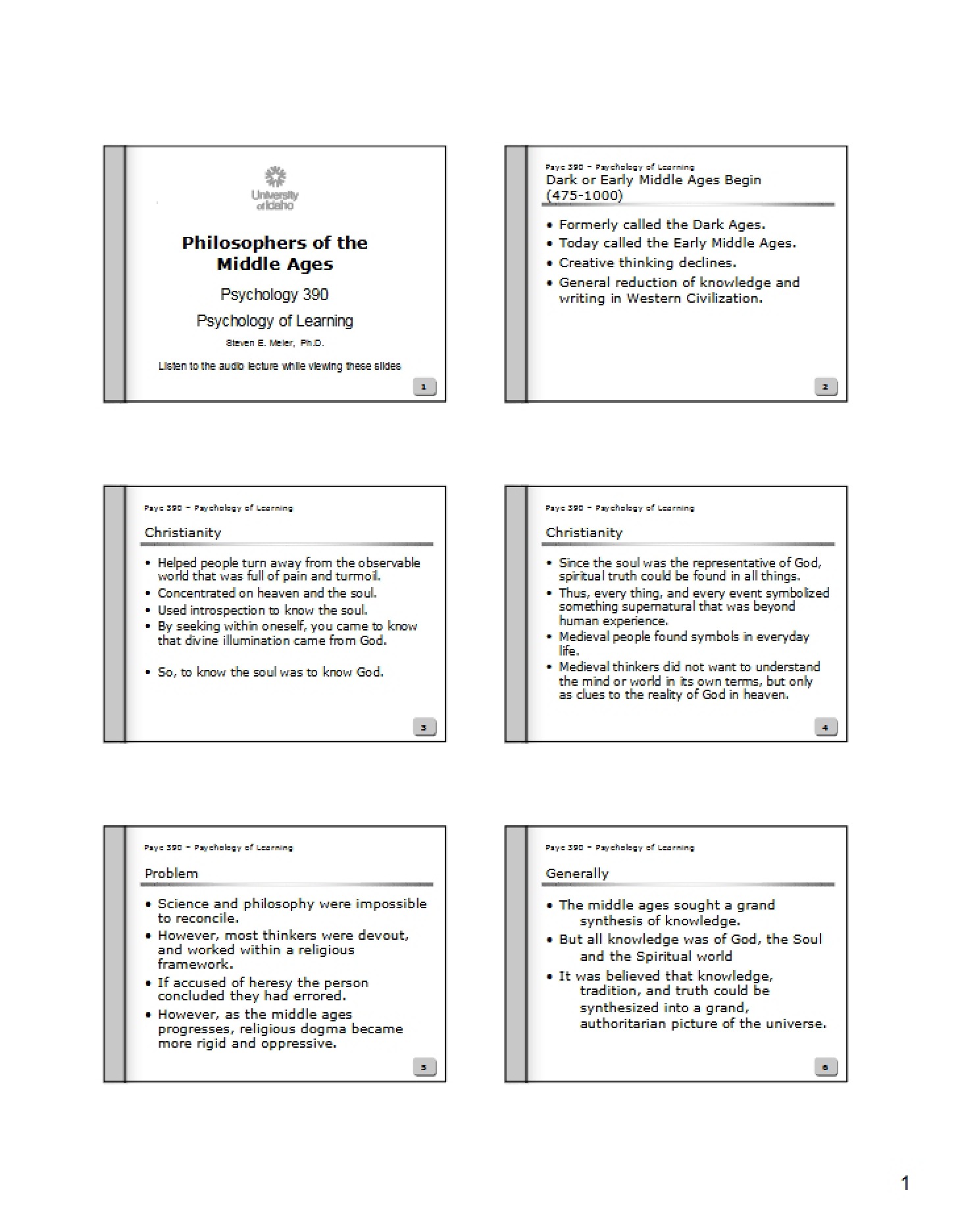
* Historical context for understanding the evolution of learning theories.
* A framework for comparing and contrasting different philosophical perspectives.
* Clear articulation of the fundamental assumptions underlying the study of learning.
* A foundation for further exploration of specific learning mechanisms and applications.