What This Document Is
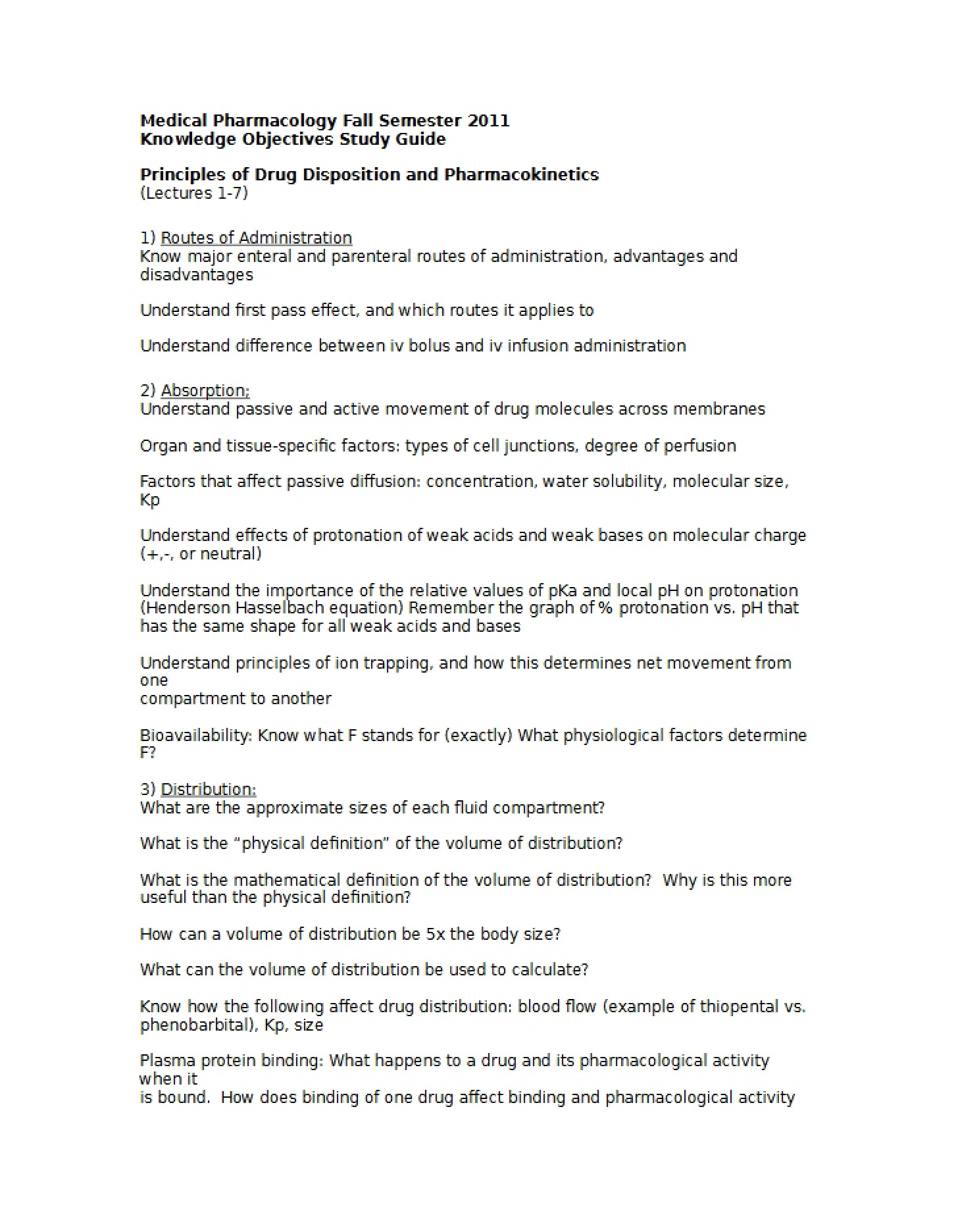
This learning objectives guide for PCOL 425 Medical Pharmacology at the University of Illinois at Chicago outlines the core knowledge areas for the chemotherapy section of the course. It serves as a roadmap for understanding the principles and specific drug classes used to combat a wide range of infectious diseases and cancer. This isn’t a textbook replacement, but a focused overview of the essential concepts instructors expect you to master.
Why This Document Matters
This guide is invaluable for students preparing for exams, reviewing course material, or seeking a clear understanding of the key takeaways from the chemotherapy lectures. It’s particularly helpful for identifying areas where focused study is needed and for structuring your approach to this complex subject matter. Students who utilize this guide alongside their coursework will be better equipped to apply pharmacological principles to clinical scenarios.
Topics Covered
* Selective Toxicity and Drug Resistance – foundational concepts in chemotherapy
* Sulfonamides and Quinolones – mechanisms, applications, and resistance patterns
* Antibiotics – bacterial cell wall and protein synthesis, and specific drug classes
* Antituberculosis Drugs – understanding TB and leprosy, and treatment strategies
* Antiprotozoal, Antihelminthic, and Antifungal Drugs – targeting parasitic and fungal infections
* Antineoplastic Drugs – classification and mechanisms of action in cancer treatment
What This Document Provides
* A comprehensive list of knowledge objectives, categorized by drug class and disease state.
* Key areas of focus for each drug, including mechanisms of action, disposition, and toxicities.
* Guidance on understanding the relationships between drug structure and function.
* A framework for comparing and contrasting different therapeutic approaches.
* Important considerations for drug resistance and clinical applications.