What This Document Is
This resource is a comprehensive overview of lease accounting, designed for students in an intermediate financial accounting course. It delves into the complexities of lease classification and the subsequent accounting treatments required under both US GAAP and IFRS standards. The material focuses on practical application through illustrative examples, providing a foundation for understanding how leases impact a company’s financial statements. It explores various lease scenarios and the calculations involved in properly recording these transactions.
Why This Document Matters
This overview is essential for accounting students preparing to analyze and record lease agreements. It’s particularly valuable when you’re tackling assignments, preparing for exams, or seeking a deeper understanding of this frequently encountered area of financial accounting. Understanding lease accounting is also crucial for anyone pursuing a career in financial analysis, auditing, or corporate accounting, as leases are a common component of many businesses’ financial structures. This resource will help solidify your understanding of the core principles.
Topics Covered
* Lease Classification (Finance vs. Operating)
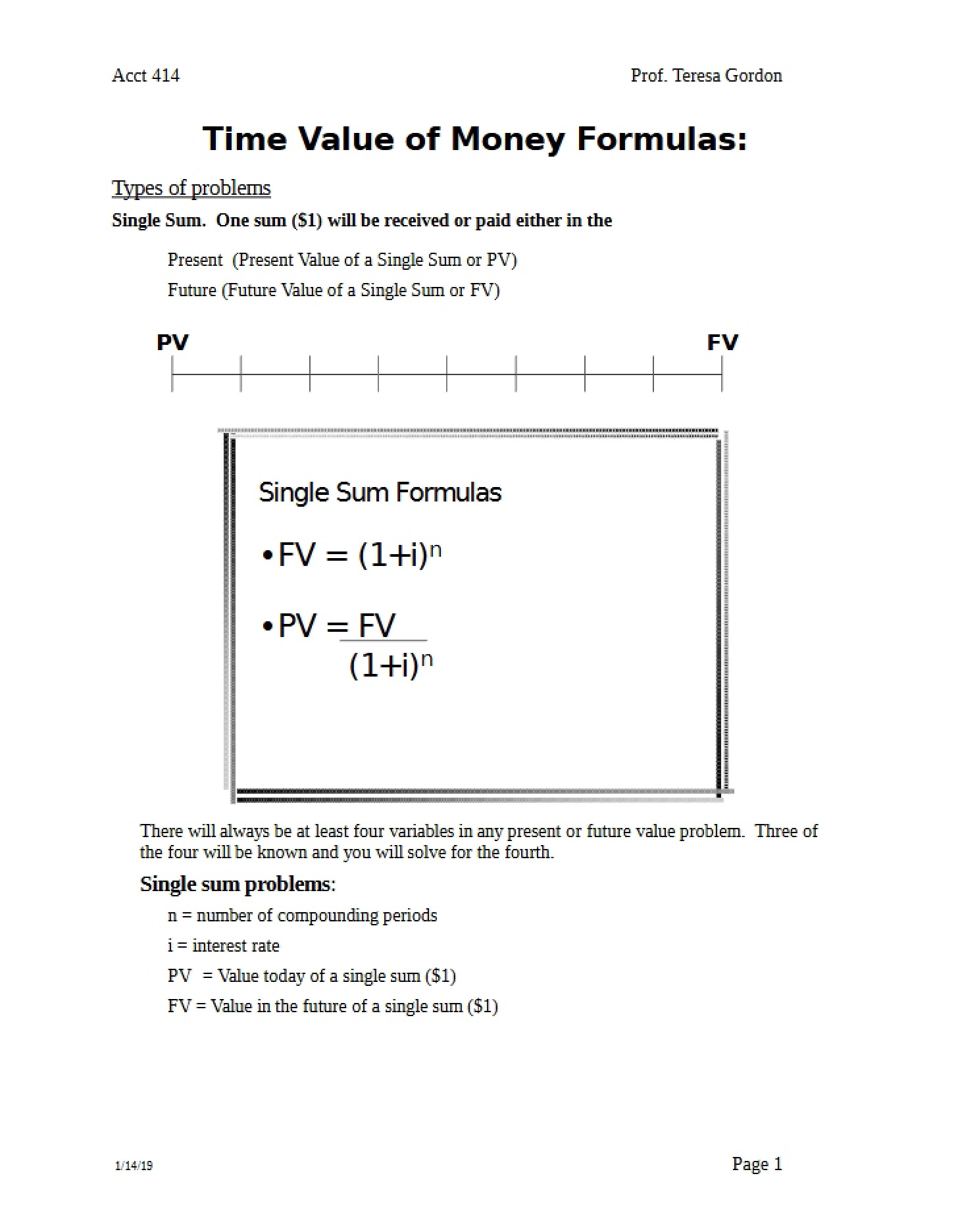
* Present Value Calculations related to Leases
* Bargain Purchase Options and their impact on lease accounting
* The concept of Incremental Borrowing Rate
* Comparison of Lease Accounting under US GAAP and IFRS
* Lease Term and Economic Life considerations
* Identifying indicators of a Finance Lease
What This Document Provides
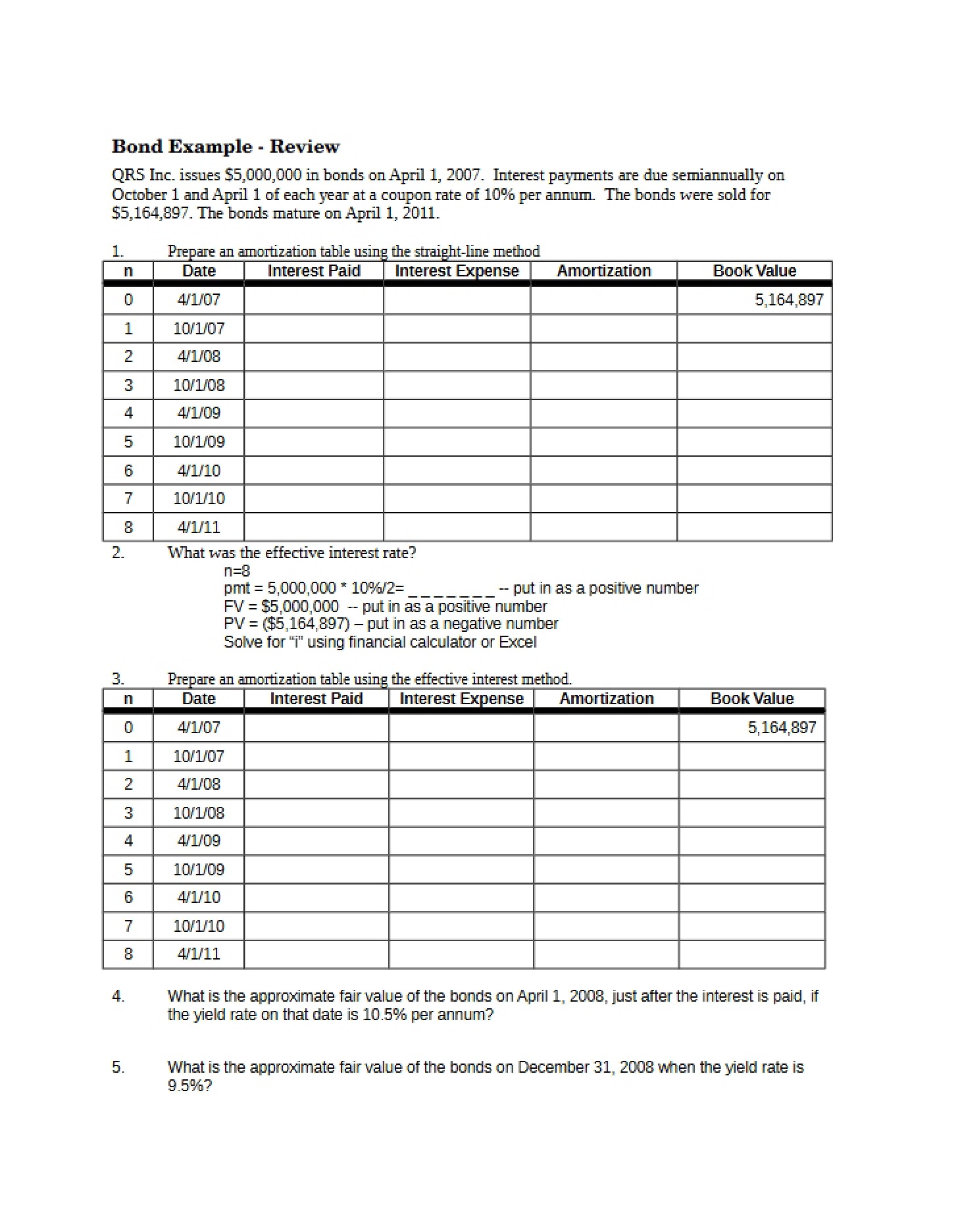
* Detailed examples illustrating lease calculations.
* Illustrative scenarios demonstrating different lease structures.
* A framework for determining the appropriate accounting treatment for various lease arrangements.
* A comparative analysis of key differences between IFRS and US GAAP lease accounting standards.
* A structured approach to understanding the components of lease payments (interest vs. principal).
* Practical insights into applying lease accounting principles to real-world situations.