What This Document Is
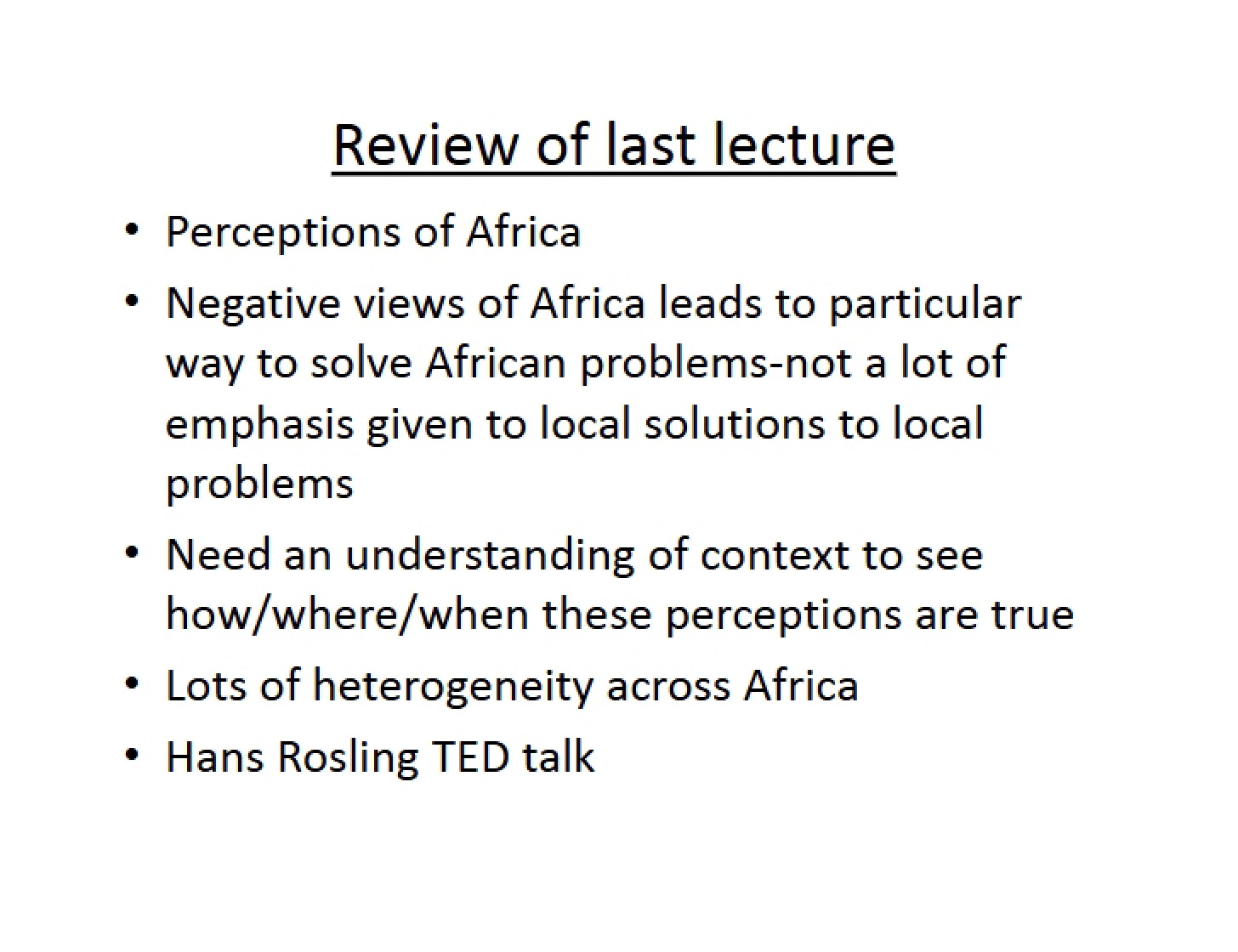
This document comprises lecture notes from Development Economics (ECON 450) at the University of Illinois at Urbana-Champaign, specifically Lecture 02. It delves into critical perspectives surrounding the portrayal and understanding of economic challenges faced by the African continent. The lecture explores how narratives about Africa are constructed, the potential biases within those narratives, and the implications for development efforts. It’s a foundational exploration of how perceptions shape policy and aid allocation.
Why This Document Matters
This material is essential for students of development economics, international relations, and anyone interested in a nuanced understanding of Africa’s economic landscape. It’s particularly valuable when studying aid effectiveness, poverty reduction strategies, and the role of advocacy in shaping global development agendas. Reviewing these notes will provide a strong theoretical base for further coursework and research, and is best utilized *before* diving into case studies or specific policy analyses.
Topics Covered
* The influence of advocacy and storytelling on perceptions of Africa.
* Potential biases in representations of economic conditions and challenges.
* Analysis of common narratives surrounding poverty and conflict in Africa.
* Examination of specific frameworks used to understand African development (and their limitations).
* Critical assessment of international development goals and their application to the African context.
* Discussion of economic growth patterns and the concept of “poverty traps.”
What This Document Provides
* A structured overview of arguments concerning the depiction of Africa’s economic realities.
* References to key academic literature and influential figures in the field of development economics.
* Statistical data points relating to conflict, famine, and disease prevalence.
* A framework for evaluating the validity of commonly held beliefs about African economies.
* Points for consideration regarding the measurement and interpretation of development indicators.