What This Document Is
This is a set of lecture materials focusing on the application of the Superposition Theorem within the field of electrical engineering. Specifically designed for students in a Principles of Electrical Engineering course, it delves into a powerful analytical technique used to determine the response of linear circuits. The material presents a structured approach to understanding how to deconstruct complex circuits with multiple independent sources into simpler, more manageable parts.
Why This Document Matters
This resource is invaluable for undergraduate electrical engineering students grappling with circuit analysis. It’s particularly helpful when you’re encountering circuits with more than one independent source – a common scenario in real-world applications. Mastering superposition is a foundational skill for more advanced topics in electrical engineering, and this material provides a detailed exploration of the underlying principles. It’s best utilized during study sessions, as a supplement to textbook readings, or when working through practice problems.
Topics Covered
* The core principle of superposition and its limitations.
* Analyzing circuits containing both voltage and current sources.
* Techniques for “turning on” and “turning off” independent sources.
* Application of superposition to determine voltage and current values within a circuit.
* Utilizing circuit analysis fundamentals like KVL, KCL, and Ohm’s Law in conjunction with superposition.
* Addressing circuits with both independent and dependent sources.
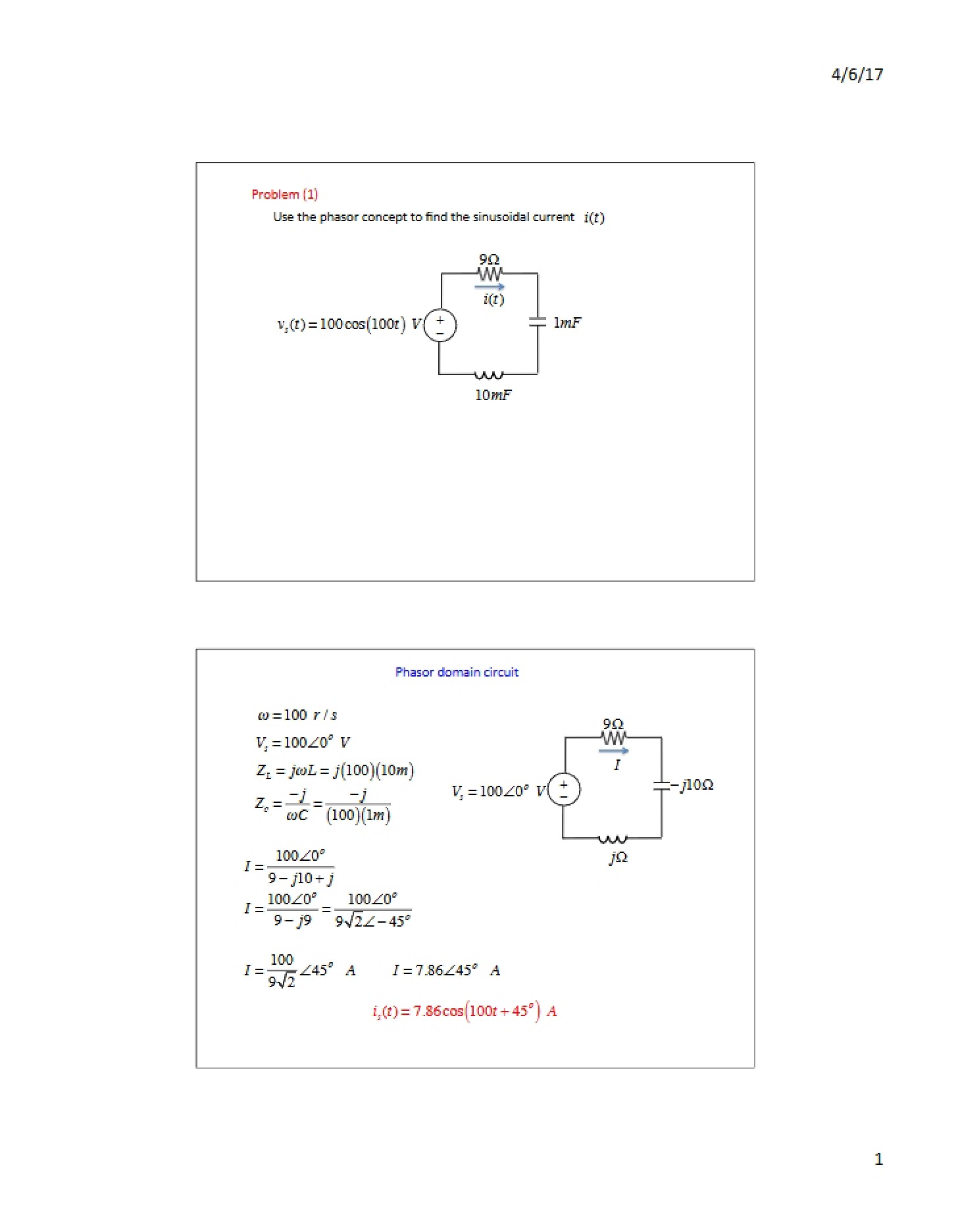
* Practical examples demonstrating the application of the theorem.
What This Document Provides
* A clear explanation of the superposition theorem’s theoretical basis.
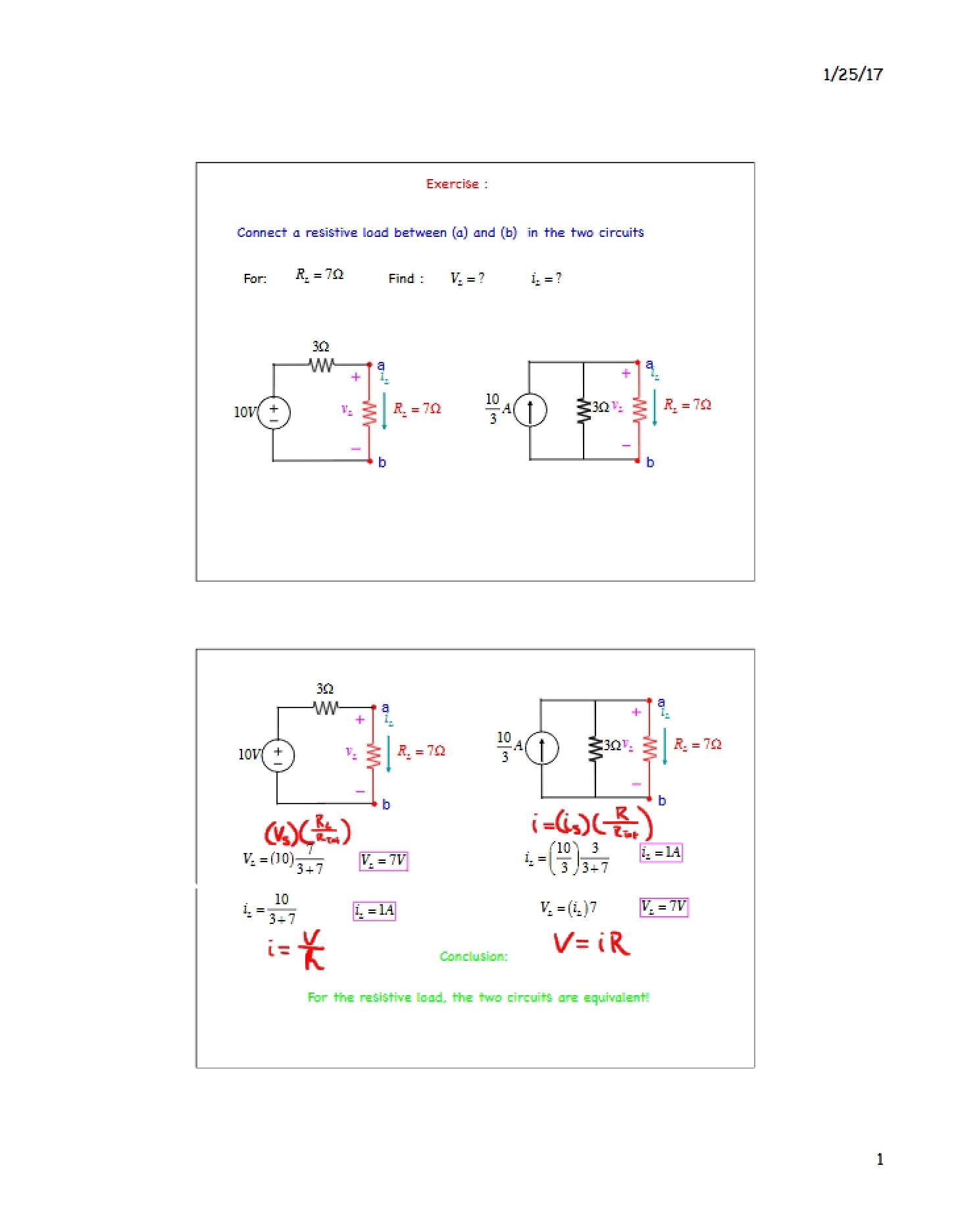
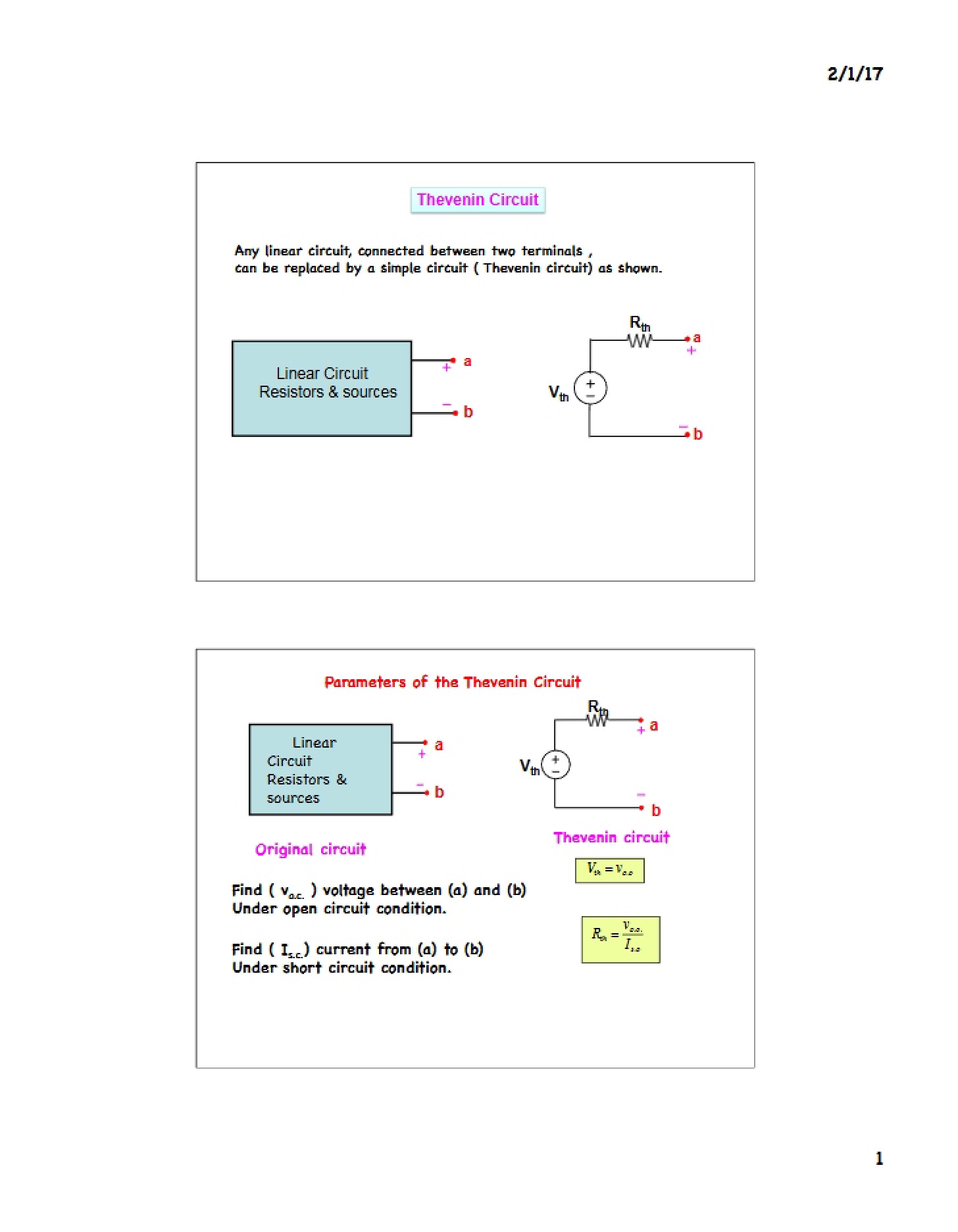
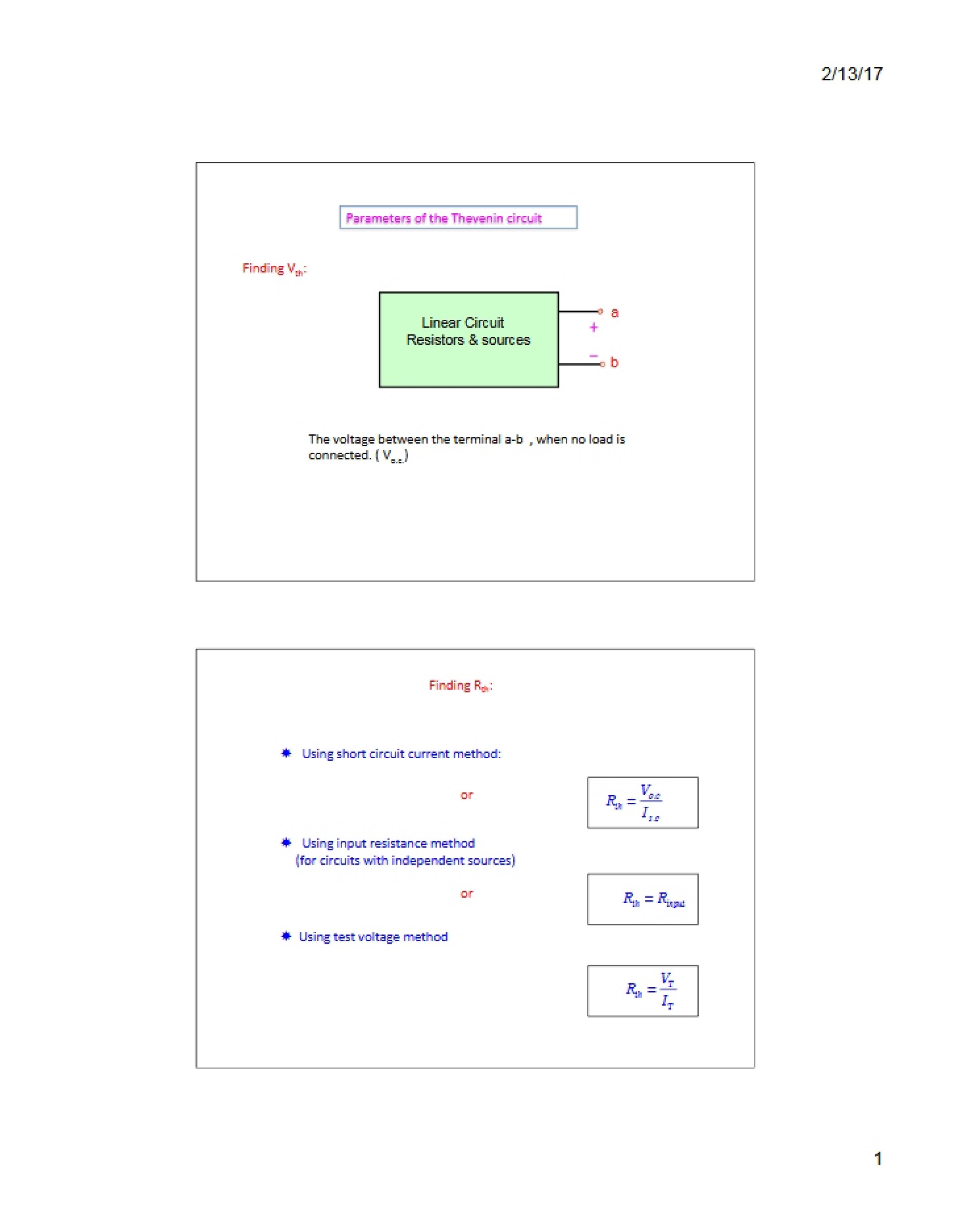
* Illustrative circuit diagrams to aid in visualization.
* A step-by-step approach to applying the theorem to various circuit configurations.
* Detailed explorations of how to determine individual contributions from each source.
* Examples that build in complexity, starting with simpler circuits and progressing to more challenging scenarios.
* A focus on calculating key circuit parameters using the superposition method.