What This Document Is
These are lecture notes from CHEM 153B, Biochemistry: DNA, RNA, and Protein Synthesis, offered at the University of California, Los Angeles. Specifically, this material focuses on the intricate relationship between telomeres, cellular aging, and the crucial processes of transcription. It delves into the molecular mechanisms governing gene expression, building upon foundational knowledge of DNA and RNA. The notes represent a detailed exploration of key biochemical concepts essential for understanding cellular function and dysfunction.
Why This Document Matters
This resource is ideal for students enrolled in a rigorous biochemistry course, particularly those seeking a comprehensive understanding of gene regulation and its connection to broader biological phenomena. It’s most valuable when used to supplement lectures, reinforce learning after class, and prepare for assessments. Students who benefit most will be those aiming for a deep, mechanistic grasp of how genetic information flows within a cell and how errors in these processes can lead to disease. Accessing these notes will provide a structured framework for mastering these complex topics.
Topics Covered
* The role of telomeres in cellular lifespan and genomic stability
* Telomerase activity in different cell types, including germ cells, stem cells, and cancer cells
* Genetic diseases linked to telomerase dysfunction
* The structure and function of quadruplex DNA formations
* The process of transcription in *E. coli*
* The components and function of RNA polymerase
* Key terminology related to transcription, including promoters, genes, and operons
* Detailed examination of the RNA polymerization reaction
What This Document Provides
* Detailed diagrams illustrating molecular structures and processes.
* A breakdown of the components of RNA polymerase and their individual roles.
* A glossary of essential terminology related to transcription and gene expression.
* An overview of the relationship between DNA sequence and RNA synthesis.
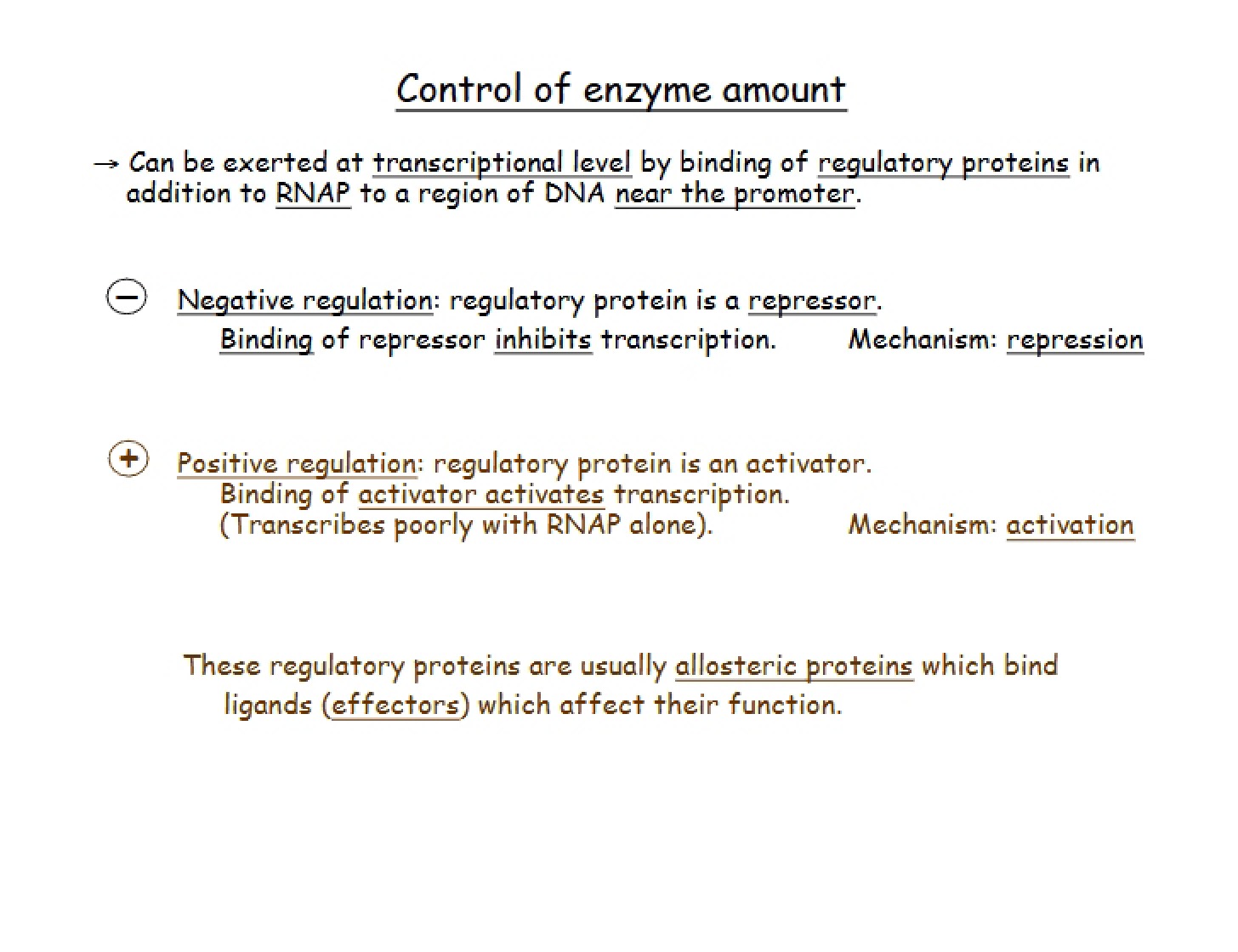
* Insights into the regulation of protein production at the transcriptional level.
* A comparative analysis of RNA polymerase and DNA polymerase.