What This Document Is
This document contains lecture notes from CHEM 153A, an introductory Biochemistry course at UCLA, specifically covering Lecture 17. The core focus is on the principles of bioenergetics – the study of energy flow within living systems. It delves into the fundamental concepts that govern how organisms obtain, transform, and utilize energy to drive biological processes. This material forms a crucial foundation for understanding metabolism and enzymatic reactions.
Why This Document Matters
These notes are exceptionally valuable for students enrolled in CHEM 153A seeking to solidify their understanding of bioenergetics. They are best utilized *during* and *after* lectures to reinforce key concepts and provide a structured reference for studying. Students preparing for quizzes or exams on metabolic pathways and enzyme mechanisms will find this resource particularly helpful. It’s designed to complement textbook readings and classroom discussions, offering a focused overview of essential principles.
Topics Covered
* The relationship between metabolism and bioenergetics
* Thermodynamic principles governing biological reactions (Gibbs Free Energy, Enthalpy, Entropy)
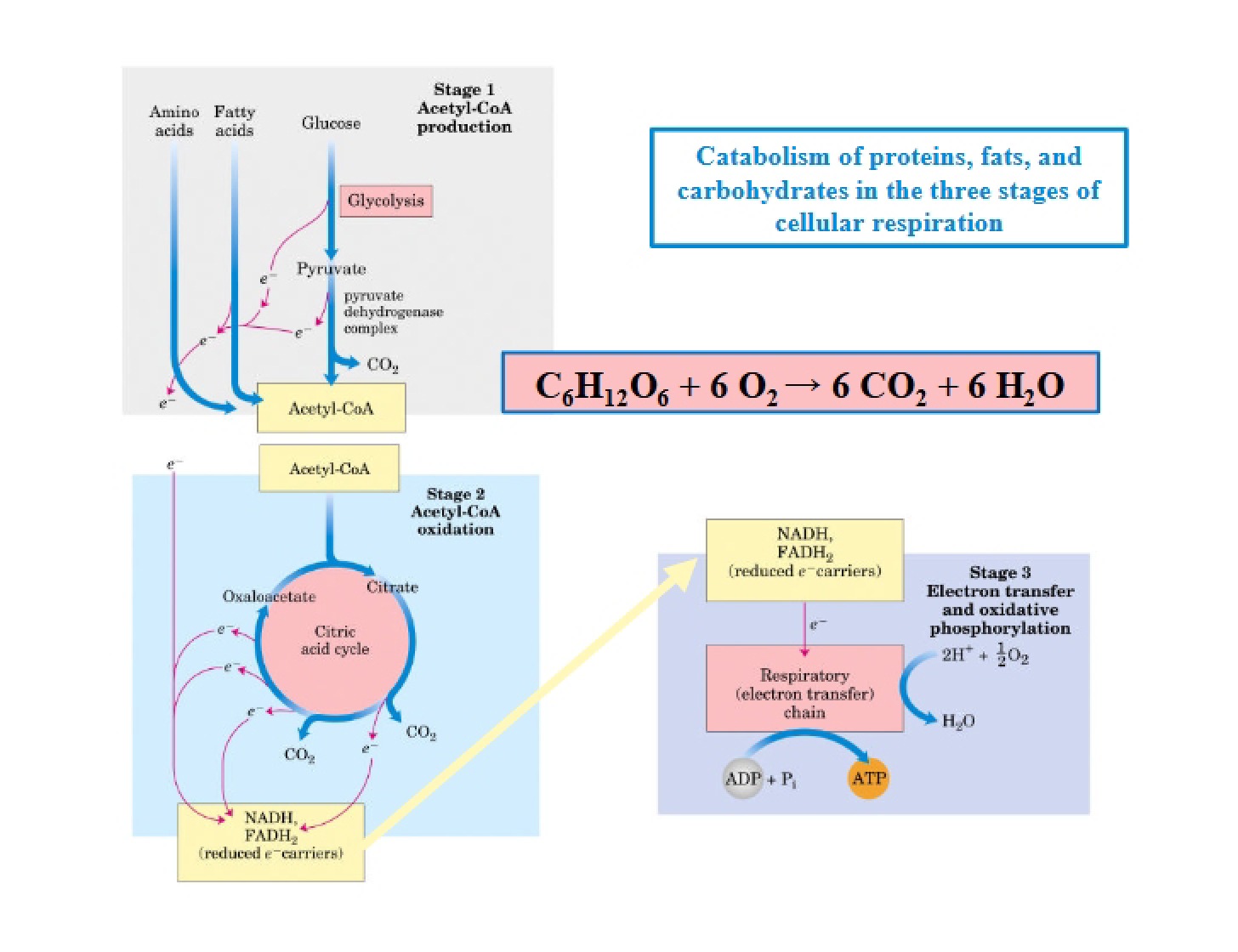
* Energy sources utilized by living organisms (carbohydrates, fats, proteins) and their breakdown products
* The concept of standard free energy changes and their application to biochemical reactions
* The role of ATP as a central energy currency in biological systems
* Factors influencing the free energy of hydrolysis for key phosphorylated compounds
* Introduction to biological redox reactions and electron carriers (NADH, FADH)
What This Document Provides
* A detailed overview of the fundamental laws of thermodynamics as they apply to biological systems.
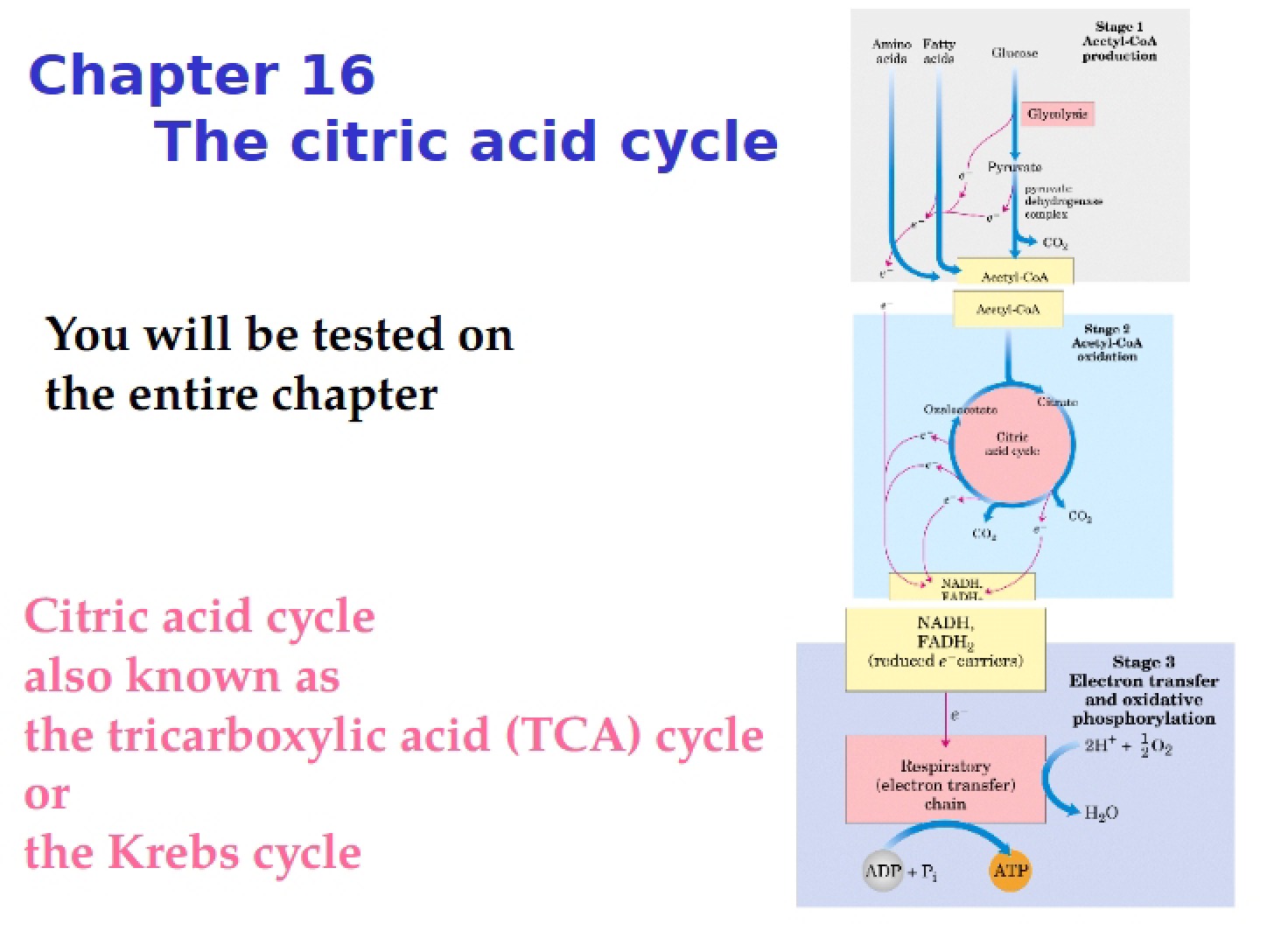
* Illustrative representations of metabolic stages and energy flow.
* Comparative data regarding the standard free energies of hydrolysis for various biologically relevant compounds.
* Discussion of the structural features of ATP that contribute to its high-energy status.
* Information on the concentrations of key metabolites within different cell types.
* An introduction to important electron carriers involved in biological redox reactions.