What This Document Is
This document represents Lecture 6 for COMSCI 31, Introduction to Computer Science I at UCLA. It delves into fundamental programming concepts, building upon previously established knowledge of basic code structure and execution. The lecture focuses on how to manipulate and validate data within a program, and introduces important techniques for working with different data types. It explores the nuances of function design and parameter passing, crucial for creating modular and reusable code.
Why This Document Matters
This lecture is essential for students seeking a solid foundation in C++ programming. It’s particularly helpful for those who are beginning to grapple with the practical application of programming logic and need to understand how to ensure their code behaves as expected. Reviewing this material will be beneficial when tackling assignments that require data validation, function creation, and efficient data handling. It’s best utilized *during* and *immediately after* the corresponding lecture to reinforce understanding, and as a reference point when working on related coding exercises.
Topics Covered
* String manipulation techniques
* Data validation and error handling
* Function definition and implementation
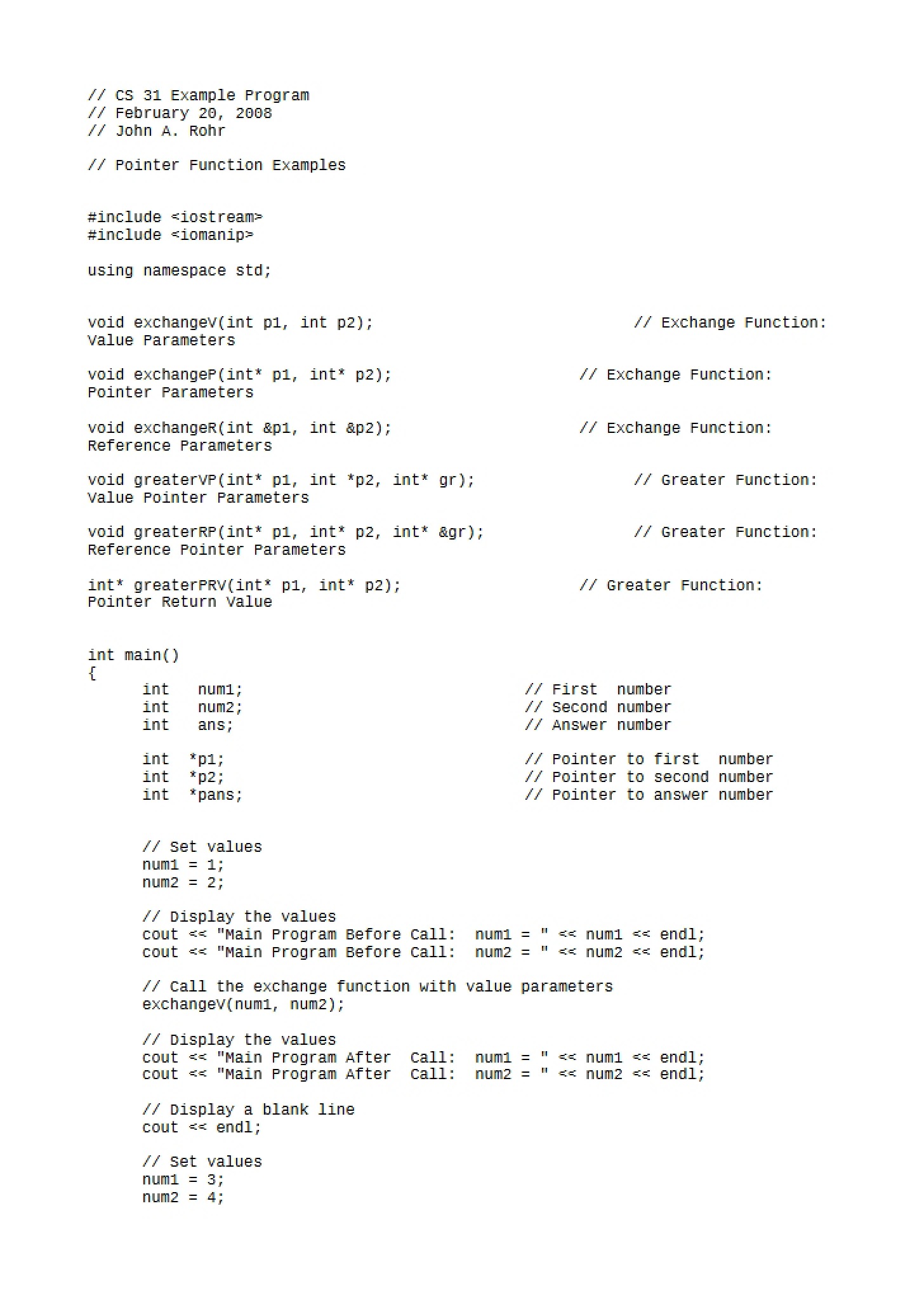
* Parameter passing mechanisms (value vs. reference)
* The concept of predicates and their application
* Working with numerical data and mathematical functions
* Understanding the implications of different variable scopes
What This Document Provides
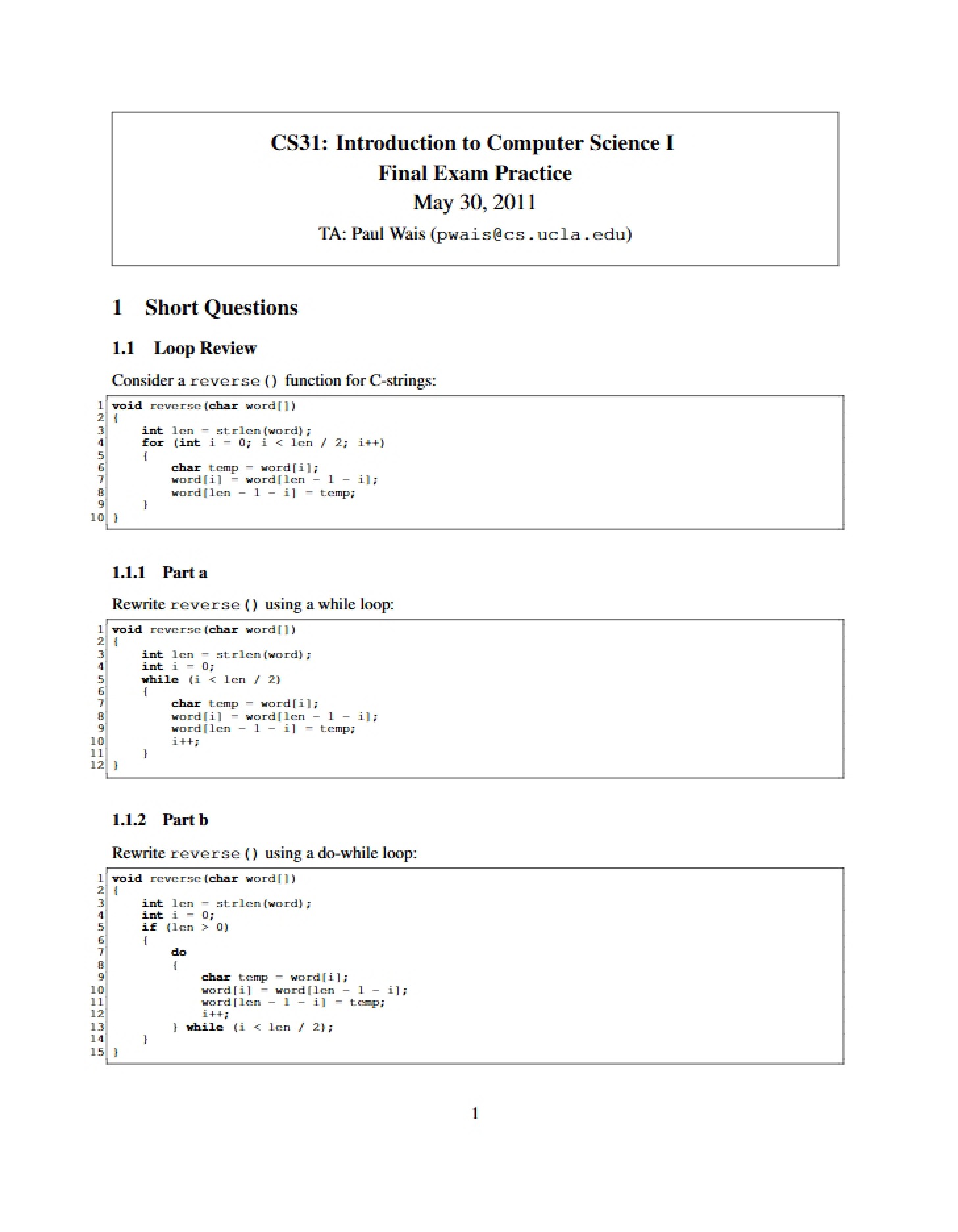
* Illustrative code snippets demonstrating core programming principles.
* Discussions on best practices for writing robust and reliable code.
* Explanations of key terminology related to functions and data types.
* Conceptual frameworks for understanding how data is processed and transformed within a program.
* A foundation for more advanced topics in data structures and algorithms.
* Examples of how to design functions that perform specific tasks and return meaningful results.