What This Document Is
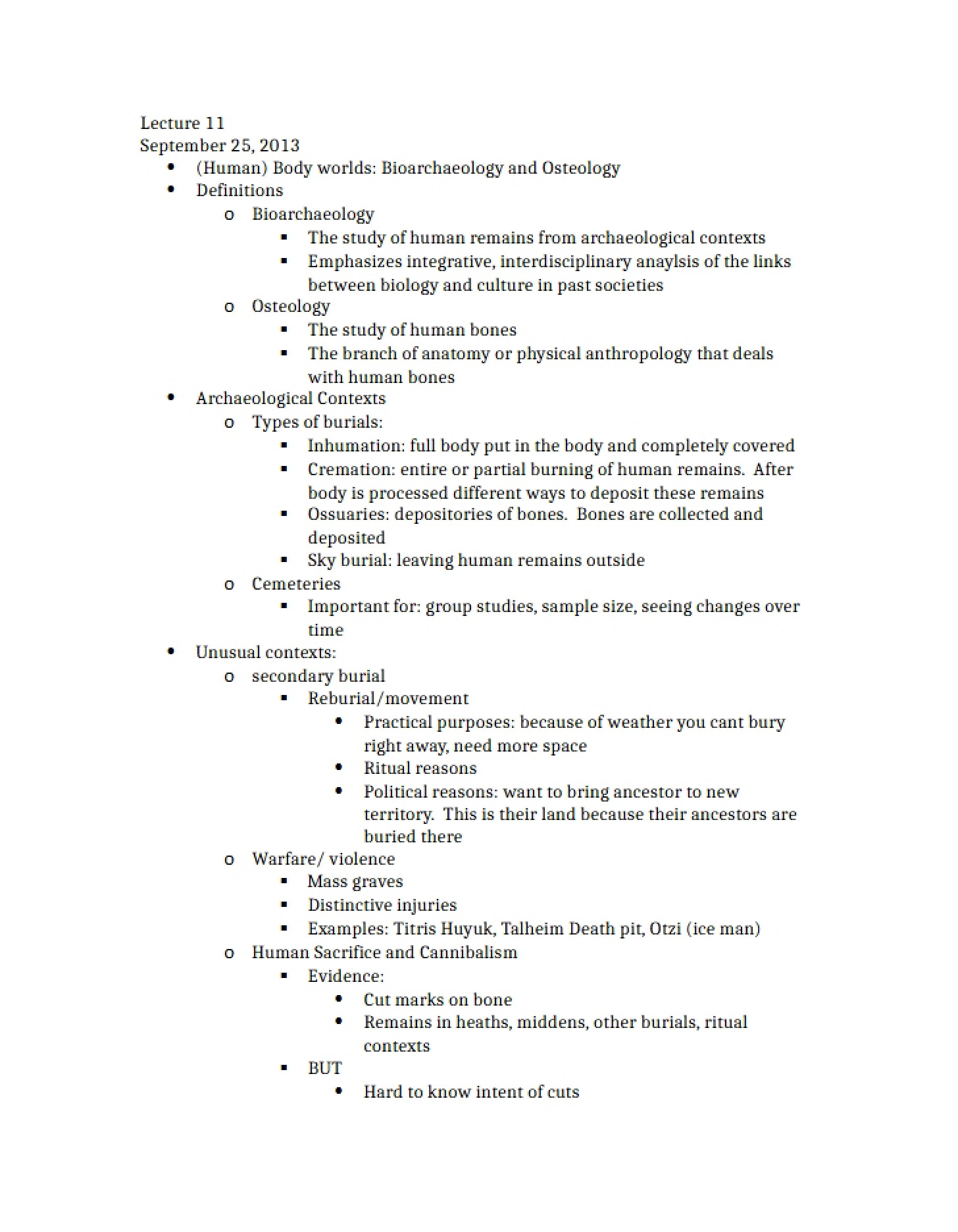
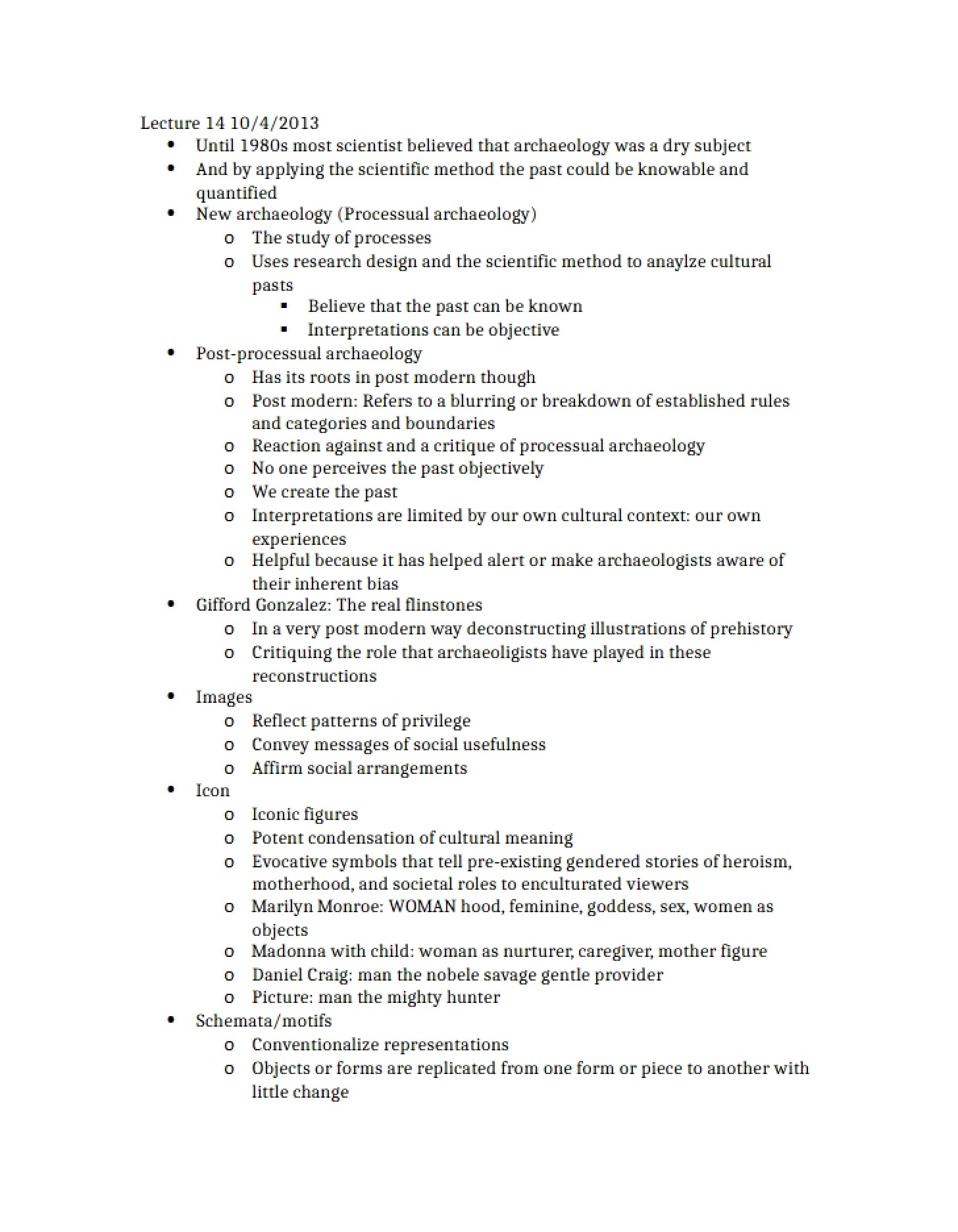
This document comprises lecture notes from an introductory archaeology course, specifically focusing on the interdisciplinary field of paleoethnobotany – the study of past human-plant interactions. It delves into the methods and evidence used to reconstruct ancient plant life and its relationship with past peoples. The lecture explores how archaeological evidence contributes to our understanding of ancient diets, agricultural practices, and environments.
Why This Document Matters
This material is essential for students seeking a comprehensive understanding of archaeological science and the diverse lines of evidence archaeologists employ. It’s particularly valuable for those interested in specializing in archaeobotany, paleoecology, or the archaeology of agriculture. Students preparing for exams or working on research projects related to plant-human relationships in the past will find this lecture a strong foundation. It’s best reviewed *after* gaining a basic understanding of archaeological methods and principles.
Common Limitations or Challenges
This lecture provides a focused overview of paleoethnobotanical techniques and evidence. It does not offer a complete guide to plant identification or detailed botanical analyses. It also doesn’t cover regional variations in plant use or specific case studies in depth – those are likely explored in other course materials. The lecture assumes a foundational understanding of archaeological context and dating methods.
What This Document Provides
* An overview of the history and development of paleoethnobotany as a subdiscipline.
* A discussion of the different types of plant-based evidence recovered from archaeological sites.
* Exploration of the advantages and disadvantages of analyzing various forms of plant remains (macro and micro).
* Insights into the challenges associated with interpreting plant evidence in archaeological contexts.
* An introduction to the concept of agroecology and its relevance to archaeological research.
* Discussion of methods for locating and recovering plant remains during archaeological excavation.