What This Document Is
This document contains lecture notes from a Chemistry 237 course at the University of Illinois at Urbana-Champaign, specifically from the February 17, 2015 lecture. It focuses on the practical application of organic chemistry principles through a laboratory experiment centered around the identification of a specific type of organic compound found in a common natural source. The lecture details the theoretical background and procedural outline for a multi-week experiment.
Why This Document Matters
These notes are invaluable for students currently enrolled in or planning to take CHEM 237: Structure and Synthesis. They are particularly helpful for those preparing for lab sessions, reviewing experimental design, or needing a refresher on key concepts related to reaction mechanisms and purification techniques. Accessing these notes can enhance understanding *before*, *during*, and *after* completing the associated laboratory work, leading to improved performance and a deeper grasp of the material.
Topics Covered
* Diels-Alder Cycloaddition Reactions – foundational principles and conformational considerations.
* Isolation and Identification of Conjugated Dienes – focusing on techniques used to separate and characterize these compounds.
* Experimental Design – including calculations for reagent quantities and timelines for multi-week experiments.
* Purification Techniques – with a detailed look at recrystallization theory and practice.
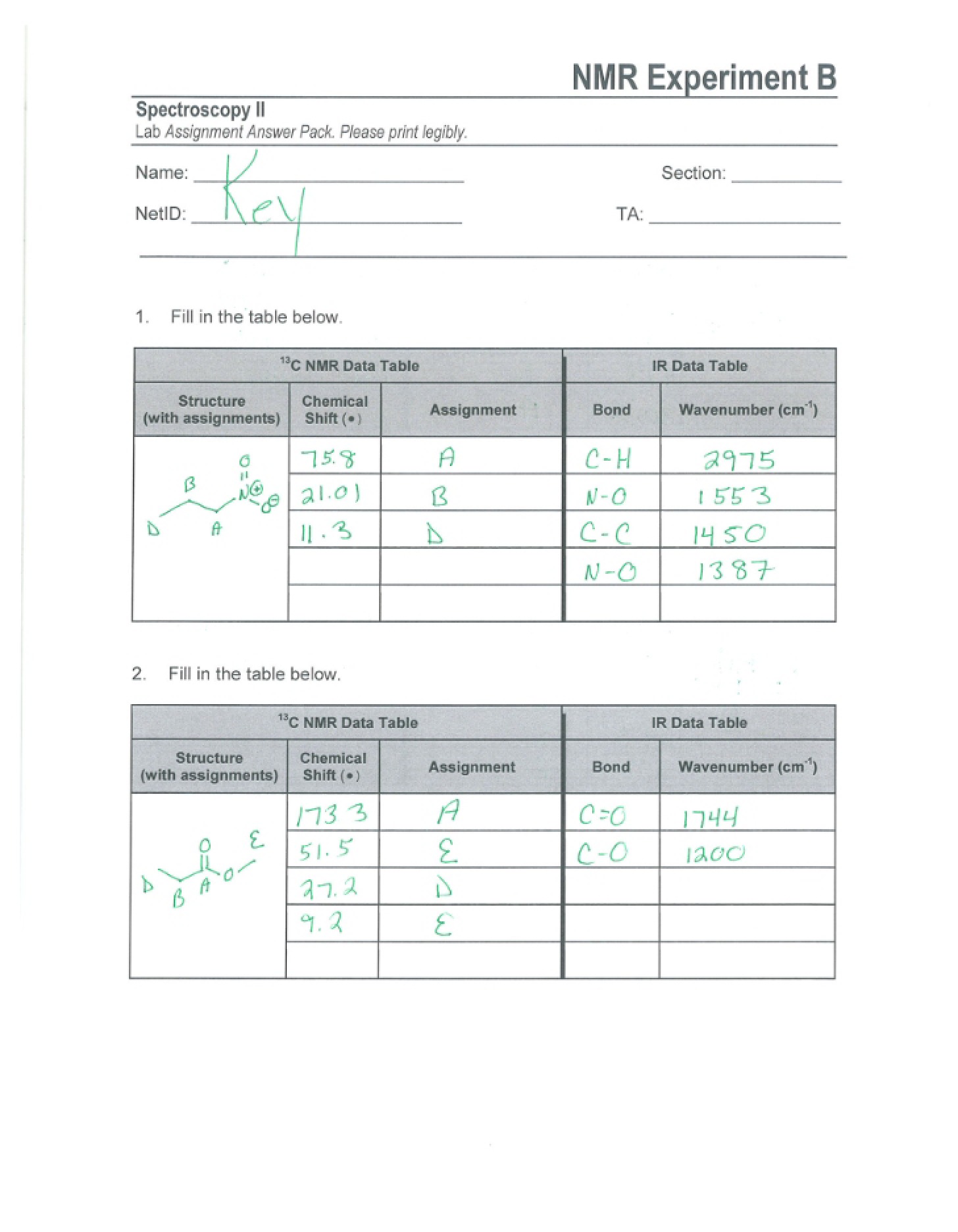
* Spectroscopic Analysis – introduction to the use of IR spectroscopy in compound identification.
* Resources for Organic Chemistry – including software and databases for structure drawing and compound searching.
What This Document Provides
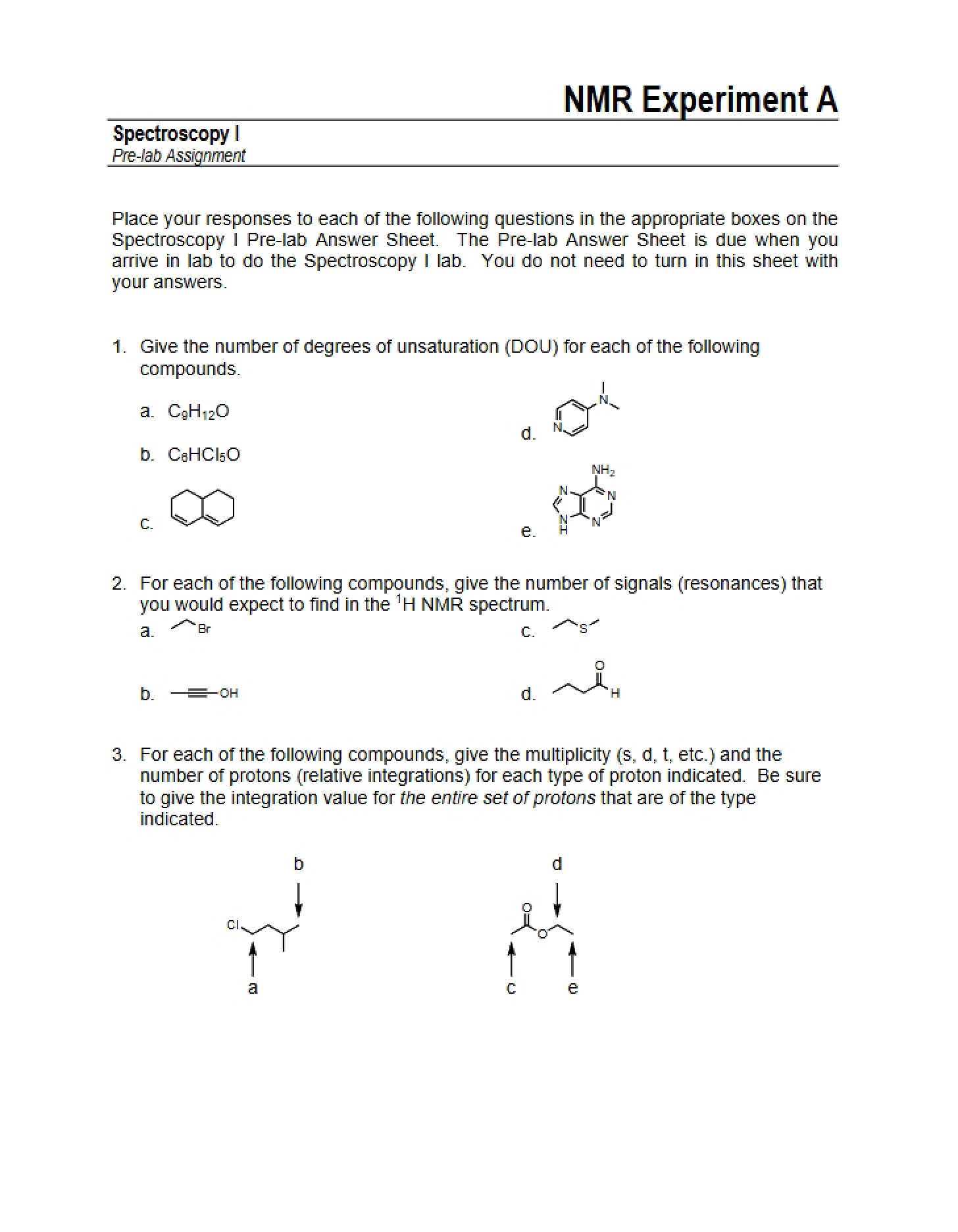
* A structured outline of a laboratory experiment involving a natural oil.
* Discussion of the theoretical underpinnings of a key organic reaction.
* Guidance on experimental planning, including considerations for reagent amounts and reaction time.
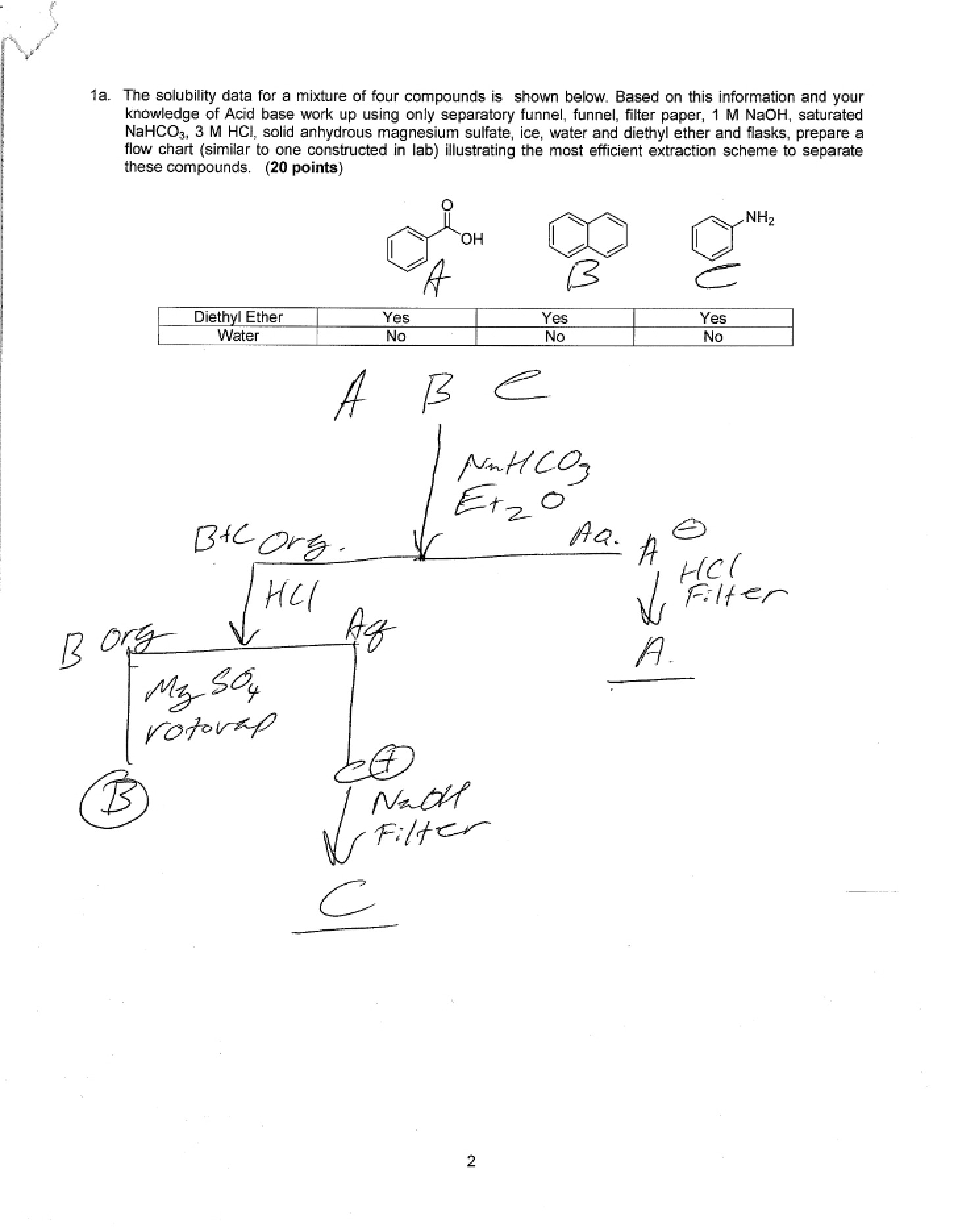
* An overview of purification methods and the principles behind them.
* References to relevant software and online resources for organic chemistry studies.
* A schedule for the experiment, outlining tasks for multiple lab periods and a post-lab report due date.