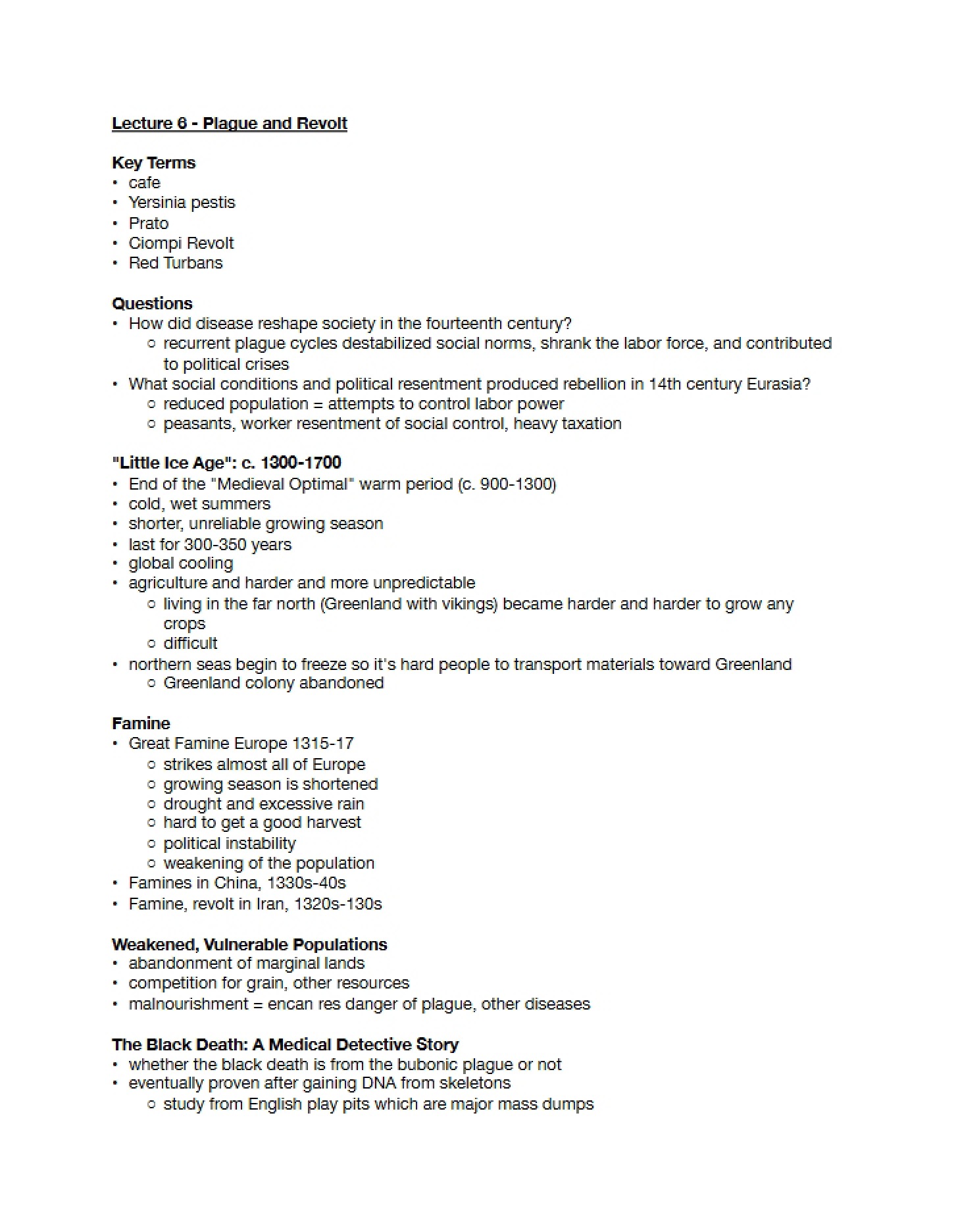
What This Document Is
This is Lecture Four from HISTORY 2: Comparative World History at the University of California, Berkeley. It delves into the development of societies and cultures in the Americas, specifically focusing on pre-Columbian North America and Mesoamerica. The lecture examines the emergence of complex social structures, monumental architecture, and agricultural practices in these regions, challenging conventional understandings of early civilizations. It explores how different groups adapted to their environments and overcame limitations to build thriving communities.
Why This Document Matters
This lecture is essential for students seeking a deeper understanding of world history beyond the traditional European narrative. It’s particularly valuable for those preparing for exams, writing research papers, or simply wanting to broaden their knowledge of the Americas before European contact. It’s best utilized *after* completing the preceding lectures on global societal development to provide a comparative perspective. Accessing the full lecture will provide a comprehensive foundation for understanding the complexities of early American civilizations.
Topics Covered
* Early mound-building cultures of North America
* The significance of environmental factors in societal development
* Pre-agricultural societies and their capabilities
* The transition to agrarian lifestyles and its impact
* The “Three Sisters” agricultural system and its benefits
* The rise and characteristics of Cahokia
* The role of astronomical events in religious beliefs
* Social structures and gender roles in early American societies
What This Document Provides
* Key terms related to archaeological sites and cultural practices.
* Guiding questions designed to stimulate critical thinking about the material.
* An exploration of the factors contributing to the development of early cities.
* Insights into the challenges and innovations of Mesoamerican civilizations.
* A framework for understanding the interconnectedness of culture, environment, and societal organization.