What This Document Is
These are lecture notes from AAE 34000, Dynamics and Vibrations, at Purdue University. They represent a foundational set of materials covering core concepts in understanding the motion of systems, from simple mass-spring-damper models to more complex particle dynamics and orbital mechanics. The notes are compiled from lectures delivered by J.M. Longuski.
Why This Document Matters
This resource is essential for students enrolled in a Dynamics and Vibrations course, particularly those in aerospace engineering or related fields. It serves as a concentrated record of lecture material, providing a reference point for understanding key principles and preparing for coursework. It’s valuable during study, problem-solving, and as a refresher on fundamental concepts. Understanding dynamics and vibrations is crucial for analyzing and designing systems subject to forces and motion – a cornerstone of engineering practice.
Common Limitations or Challenges
These notes are a *record* of lectures, not a self-contained textbook. They require active listening and participation in the course to fully grasp the concepts. The notes assume a foundational understanding of calculus, physics, and linear algebra. They do not provide extensive practice problems or detailed derivations beyond what was presented in the lectures.
What This Document Provides
This collection of lecture notes (Lectures 1-6) includes:
* An overview of the course structure, grading policy, and instructor information.
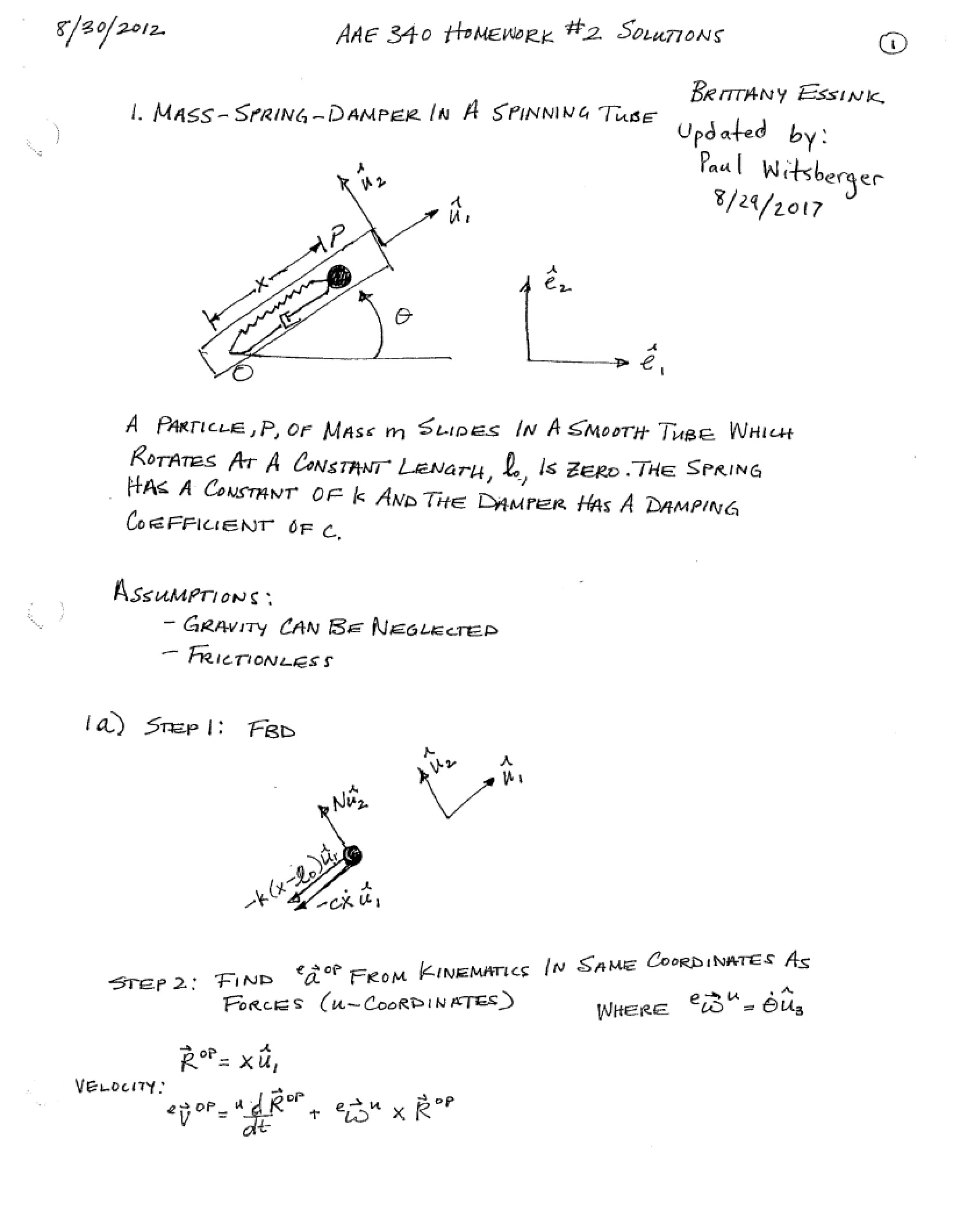
* A detailed exploration of the mass-spring-damper problem, including free, damped, and forced vibration scenarios.
* An introduction to kinematics, including the Basic Kinematic Equation (BKE) and coordinate transformations.
* An overview of numerical integration methods (Euler's method, Runge-Kutta).
* Fundamentals of particle dynamics, including Newton’s Laws and impulse-momentum concepts.
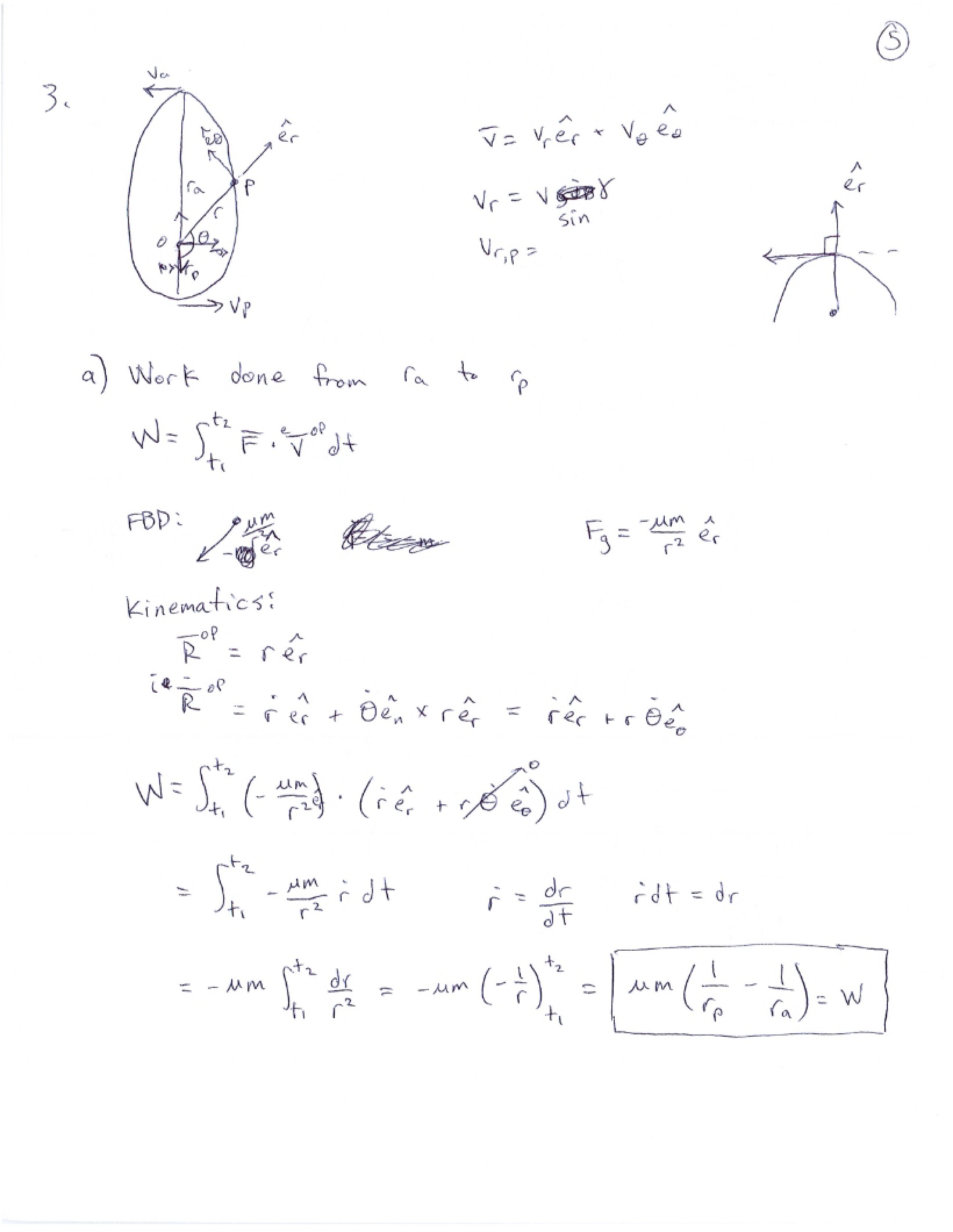
* An introduction to orbital mechanics, including conservation laws.
This preview *does not* include solved problems, detailed derivations of all equations, or the complete set of course materials beyond Lecture 6. It also does not include any interactive elements or practice quizzes.