What This Document Is
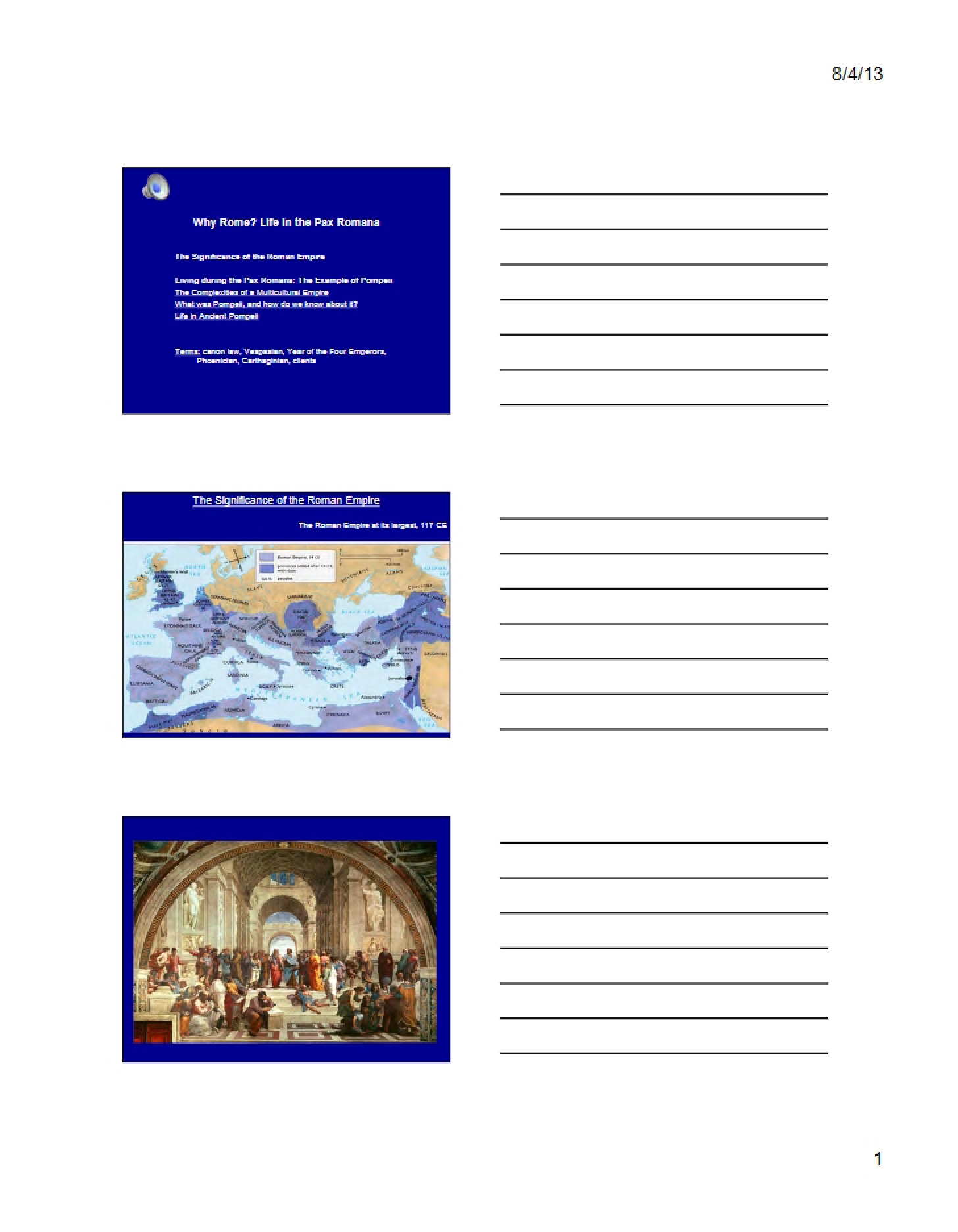
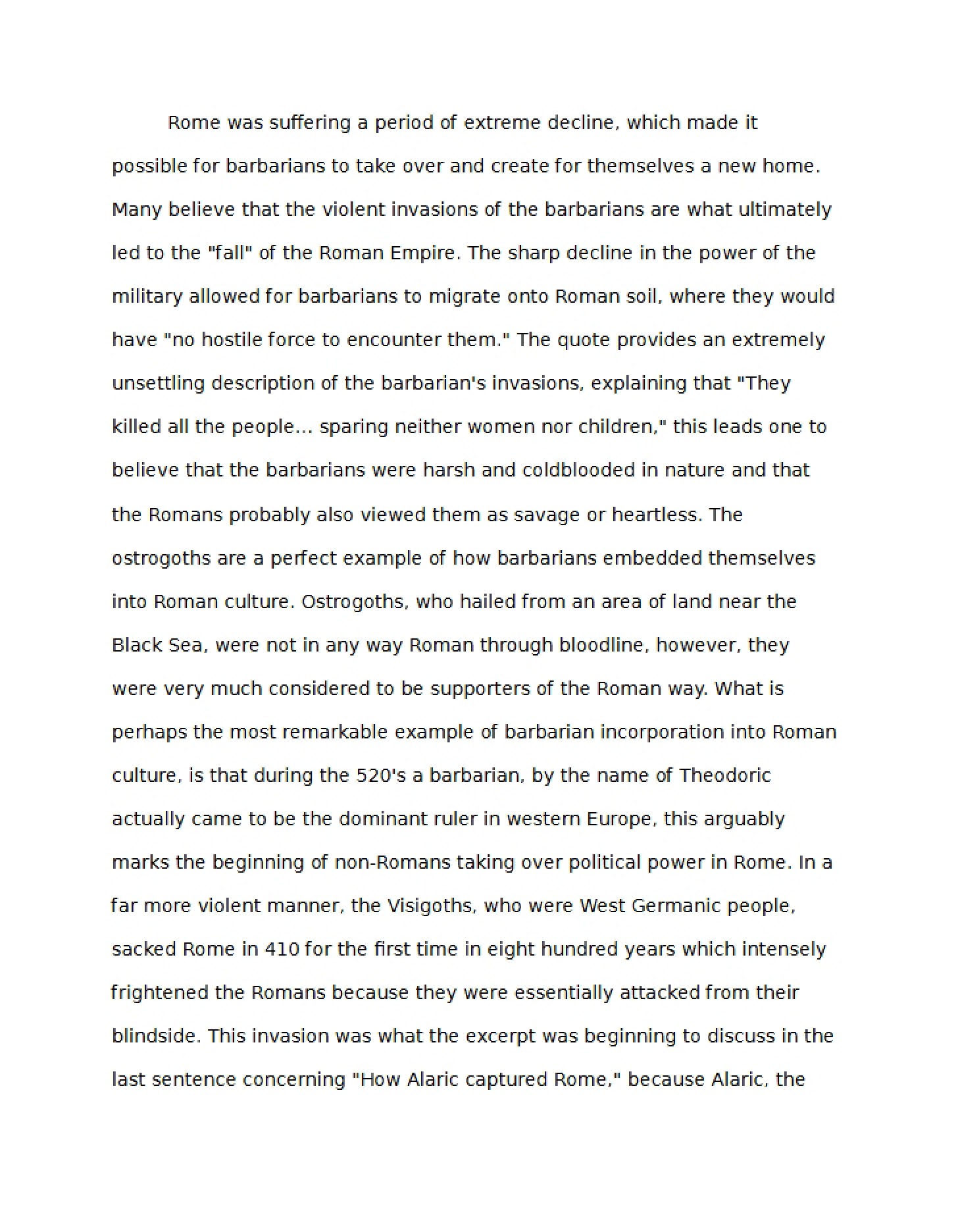
These lecture notes offer a focused exploration of pivotal historical developments spanning from late antiquity through the early medieval period, with a particular emphasis on the transitions and transformations impacting the Mediterranean world and beyond. The material centers on the legacies of empires – both those enduring and those in decline – and the rise of new religious and political forces that reshaped the course of history. It delves into the complexities of governance, legal systems, and the interplay between religious belief and political power. The notes cover significant figures and movements that laid the foundations for later societal structures.
Why This Document Matters
Students enrolled in HIST 101: South Carolina to 1865 will find these notes particularly valuable when studying the broader historical context that shaped the early development of societal norms and power structures that eventually influenced the American South. Understanding these foundational periods is crucial for grasping the origins of legal traditions, religious influences, and political ideologies that played a role in the pre-Civil War South. These notes are best utilized *alongside* assigned readings and class discussions to reinforce key concepts and provide a structured overview of complex historical events.
Common Limitations or Challenges
These notes represent a condensed distillation of lecture material and are not intended to be a substitute for comprehensive textbook readings or active participation in class. They do not offer in-depth analyses of primary source materials, nor do they provide exhaustive coverage of every event or figure mentioned. The notes focus on overarching themes and connections, and may require further research to fully understand specific nuances or debates within the historical field. They are designed to *supplement* your learning, not replace it.
What This Document Provides
* An overview of influential leaders and their approaches to governance.
* Key terminology related to legal and religious frameworks of the period.
* Discussion of the factors contributing to the expansion and contraction of empires.
* An introduction to the core tenets of a major world religion and its rapid spread.
* Contextualization of significant cultural and architectural achievements.