What This Document Is
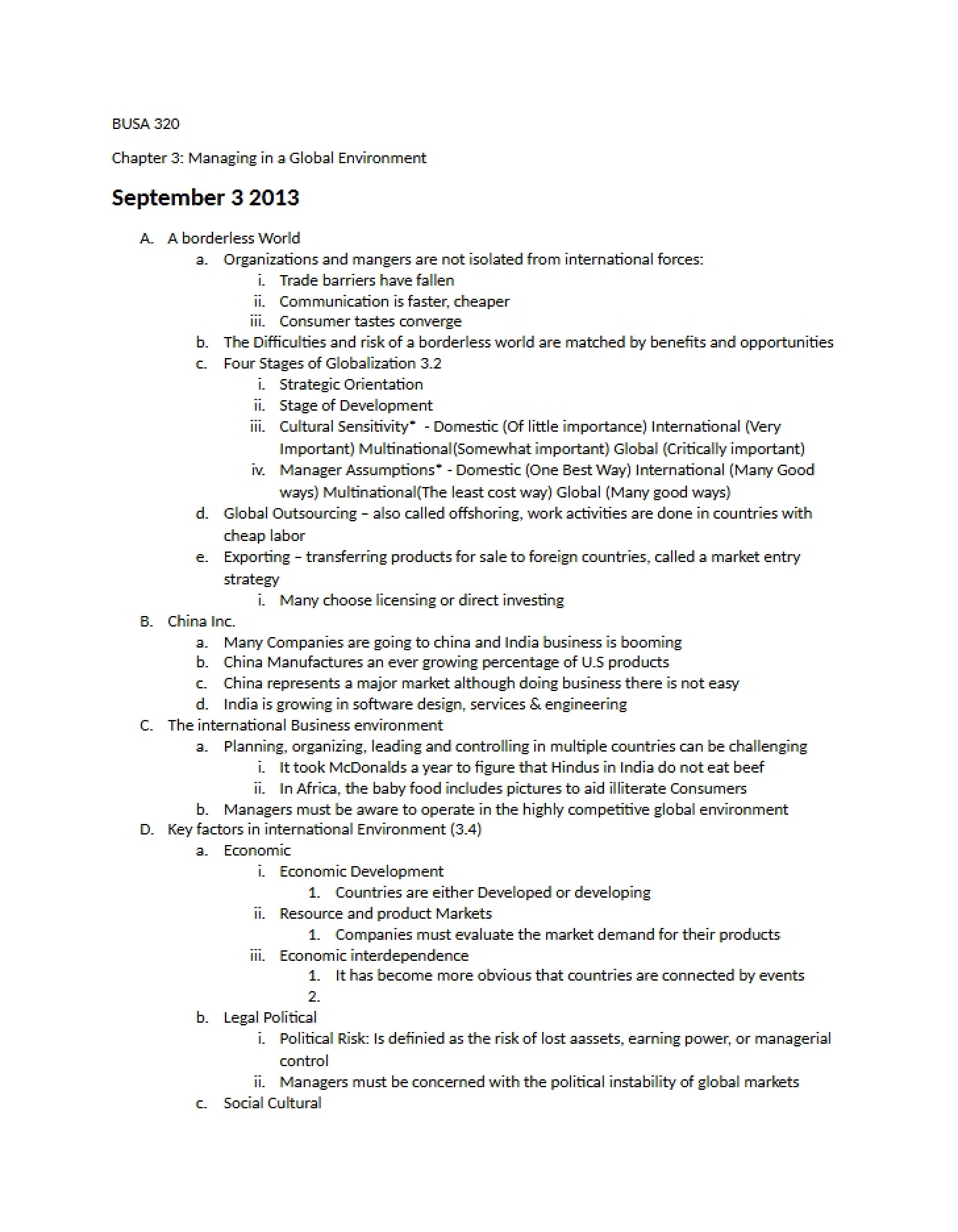
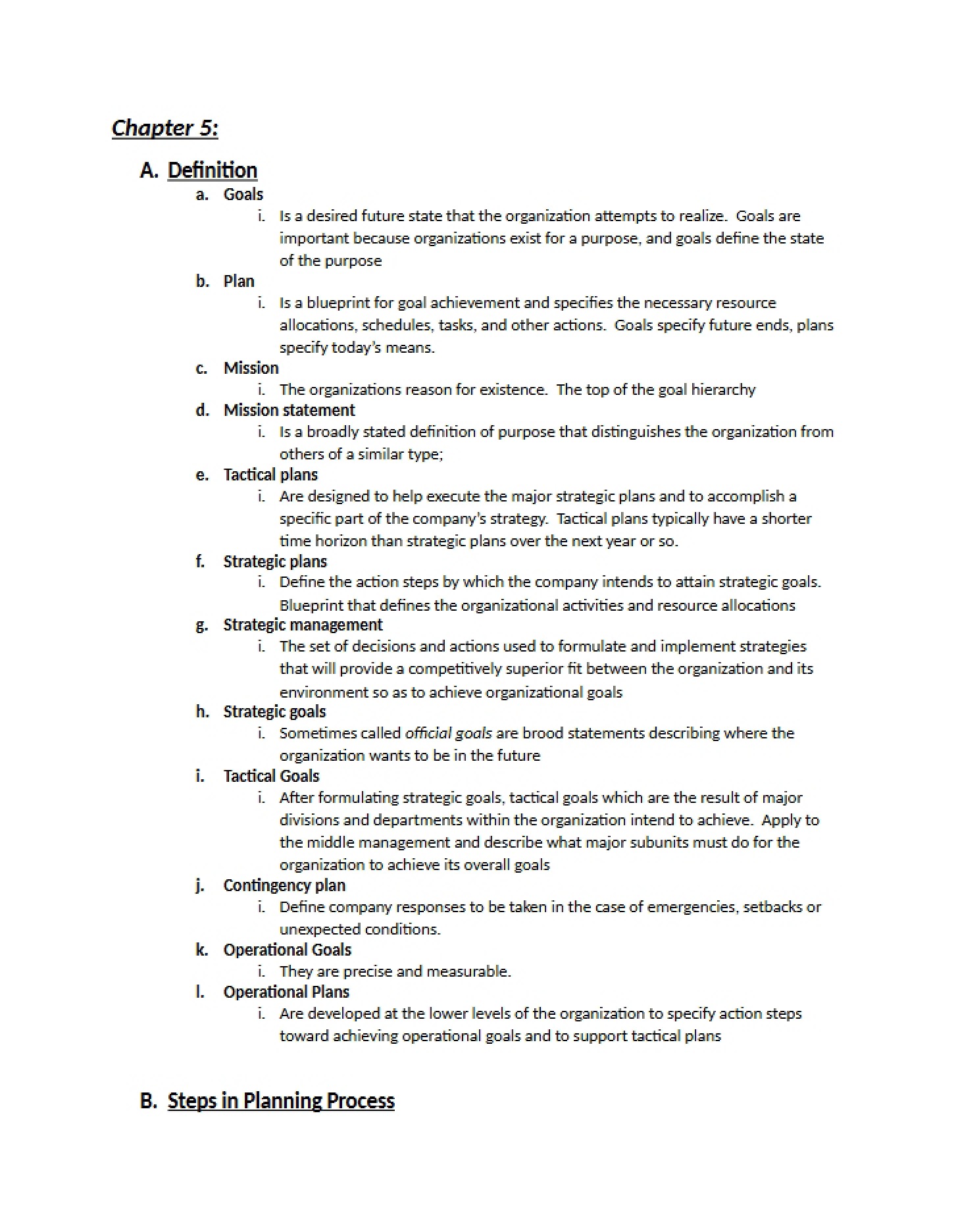
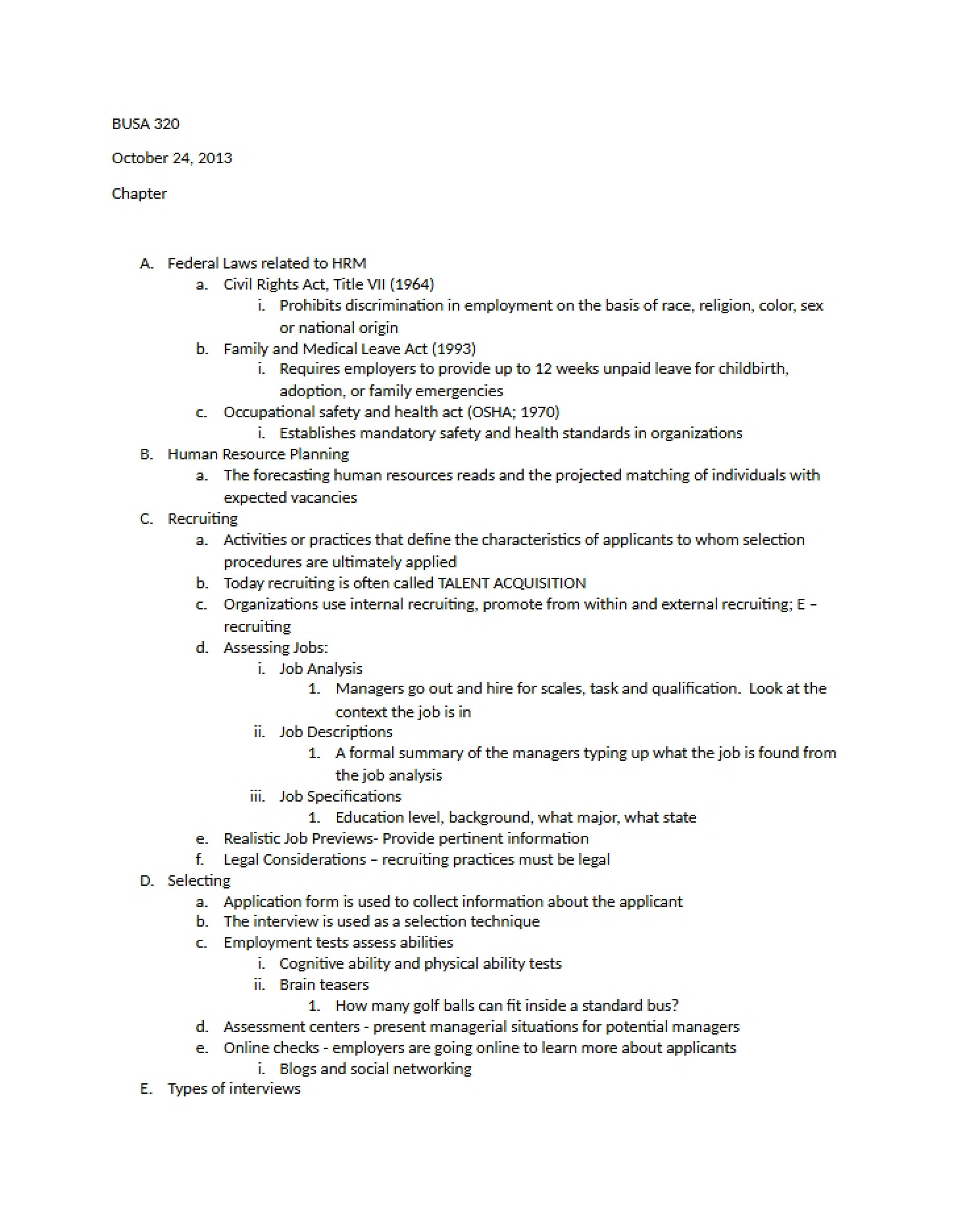
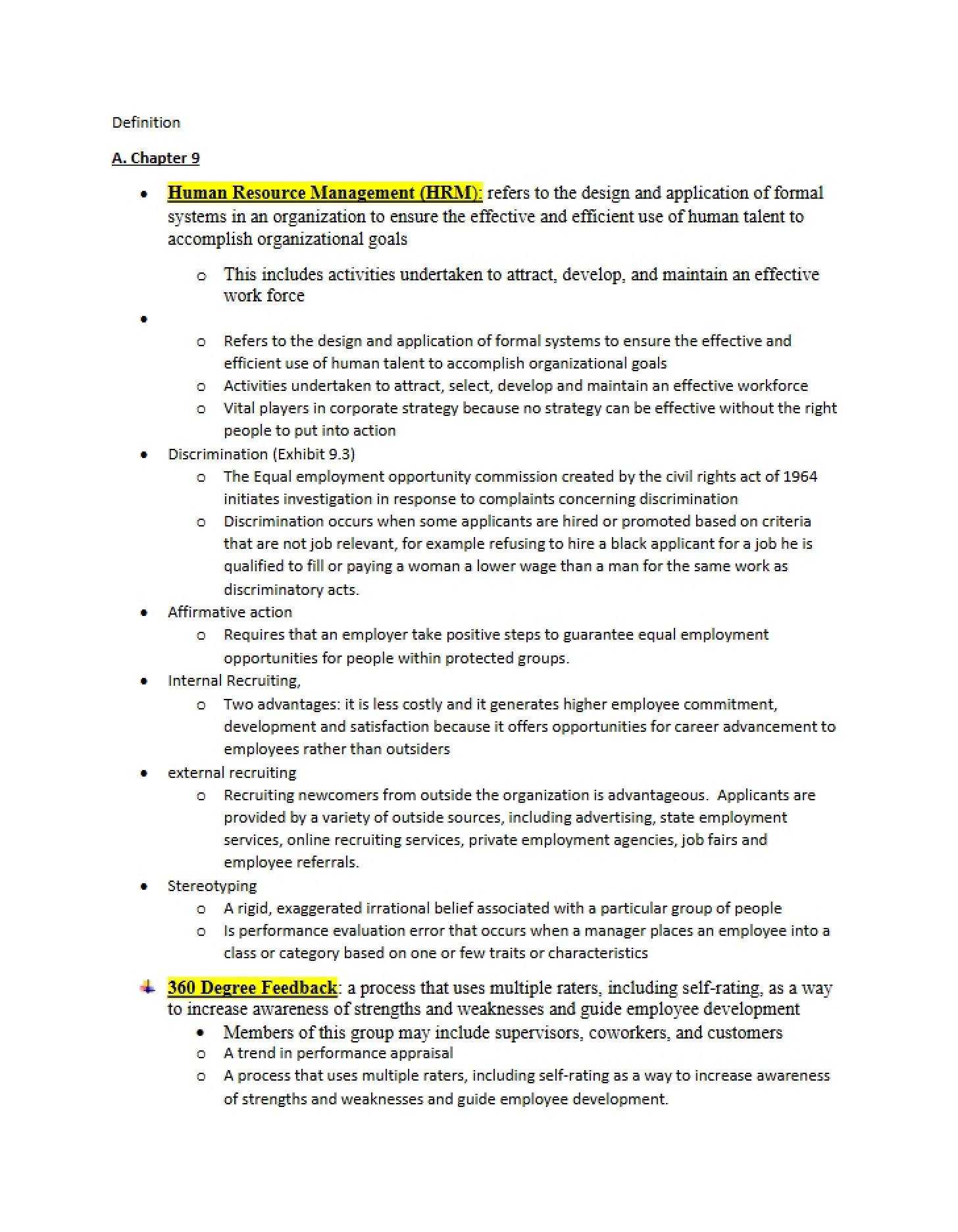
These are lecture notes from a BUSA 320: Survey of Management course at West Virginia University, dated September 5, 2013. The material focuses on the external environmental factors impacting businesses, specifically those related to operating in a global context. It delves into the complexities of cross-cultural interactions and the frameworks used to understand differing national values and behaviors. The notes also cover international trade and emerging market strategies.
Why This Document Matters
This resource is ideal for students enrolled in introductory management courses, particularly those with a focus on international business or organizational behavior. It’s beneficial for anyone seeking to understand how cultural differences and global economic structures influence business decisions. Reviewing these notes can help prepare you for class discussions, broaden your understanding of the challenges faced by multinational corporations, and provide a foundational understanding of global trade policies. It’s particularly useful when studying the external analysis portion of strategic management.
Common Limitations or Challenges
These notes represent a single lecture’s content and should not be considered a comprehensive substitute for textbook readings or a complete course syllabus. The material is presented from a specific academic perspective in 2013 and may not reflect the most current developments in global trade or cultural studies. It does not include practice questions, case studies, or detailed applications of the concepts discussed. Access to the full document is required for a complete understanding of the instructor’s explanations and supporting details.
What This Document Provides
* An overview of the sociocultural environment and its impact on business practices.
* Discussion of established frameworks for analyzing cultural values, including prominent models.
* Key characteristics to consider when navigating different cultural landscapes.
* Information regarding major international trade alliances and their historical development.
* An introduction to strategies for engaging with emerging markets and the “bottom of the pyramid” consumer base.
* Consideration of perspectives on the effects of globalization and free trade.