What This Document Is
These are lecture notes from STAT 8053: Applied Statistical Methods 3 – Multivariate Analysis and Advanced Regression, offered at the University of Minnesota Twin Cities. The notes center around the application of Generalized Linear Mixed Models (GLMMs) to real-world datasets. The excerpt focuses on a case study involving the analysis of disease incidence in cattle, utilizing statistical software to explore relationships between variables and model complex data structures. It delves into the theoretical underpinnings and practical implementation of these models.
Why This Document Matters
Students enrolled in advanced statistics courses, particularly those focusing on regression and multivariate analysis, will find these notes exceptionally valuable. They are ideal for reinforcing concepts presented in lectures, preparing for assignments, and building a deeper understanding of GLMMs. Researchers and practitioners seeking to apply these techniques to their own data will also benefit from the detailed exploration of a specific example. These notes are most useful when studied *in conjunction* with course readings and assignments.
Common Limitations or Challenges
These notes represent a specific lecture’s content and do not constitute a comprehensive course syllabus or textbook. They do not provide step-by-step instructions for performing the analyses, nor do they offer fully worked-out solutions. The notes assume a foundational understanding of statistical modeling principles and familiarity with statistical software like R. They focus on a single dataset and may not cover all possible applications or variations of GLMMs.
What This Document Provides
* An examination of a real-world dataset related to animal health and disease.
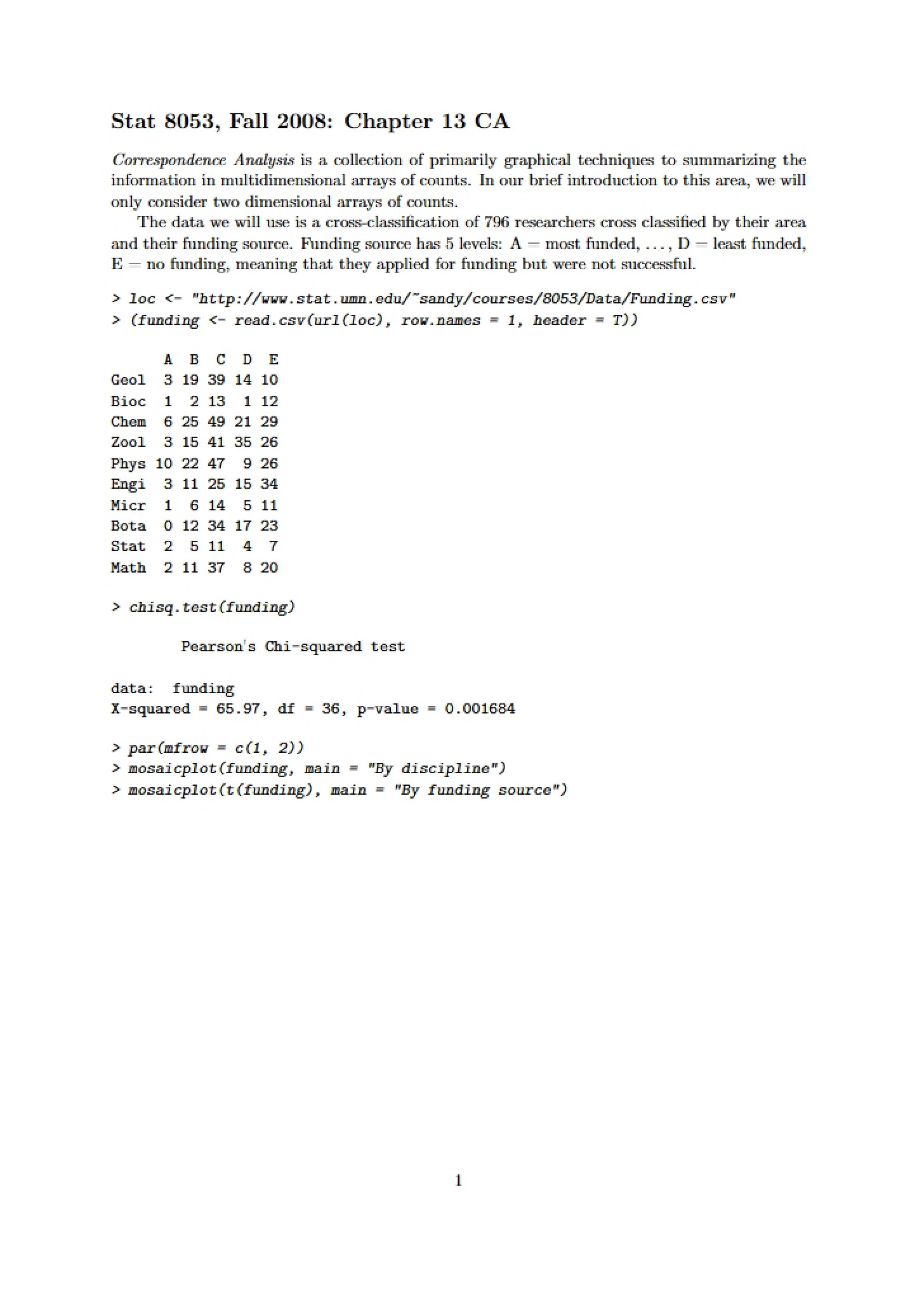
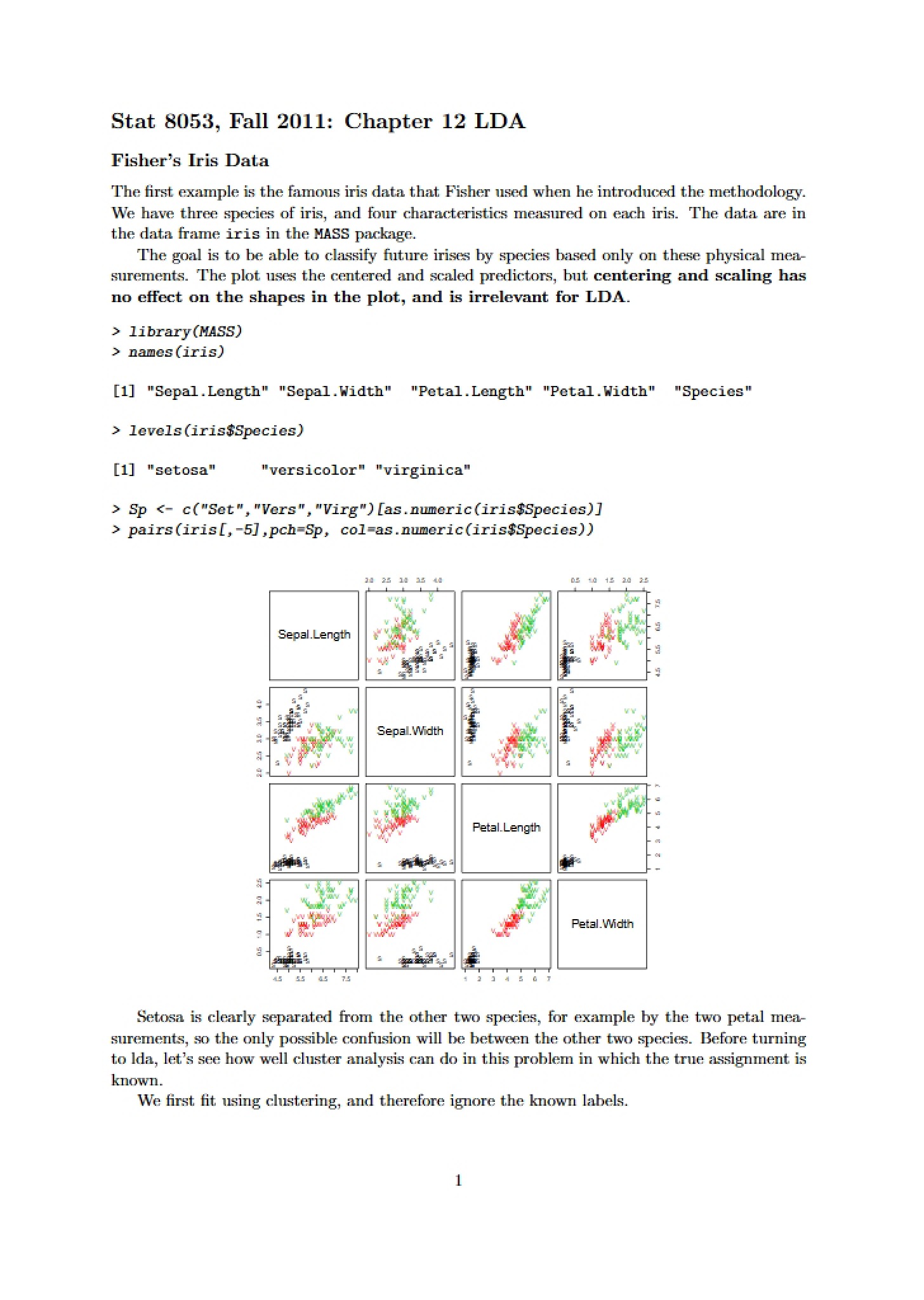
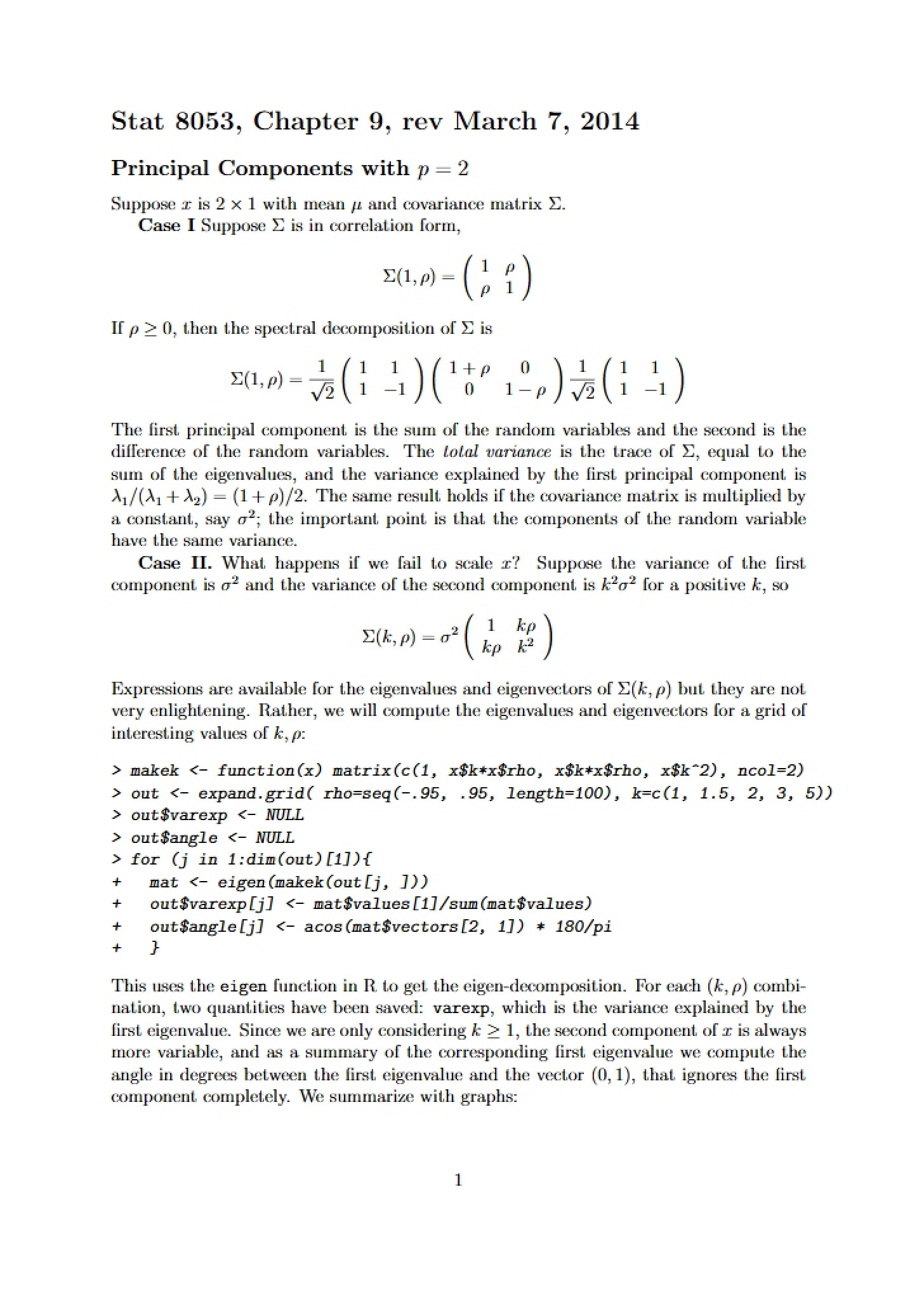
* Illustrative examples of statistical code output (from R) used in model building.
* Discussion of model comparison techniques, including analysis of deviance and AIC.
* Exploration of fixed and random effects within the context of GLMMs.
* A foundation for understanding how to interpret model coefficients in a logistic regression framework.