What This Document Is
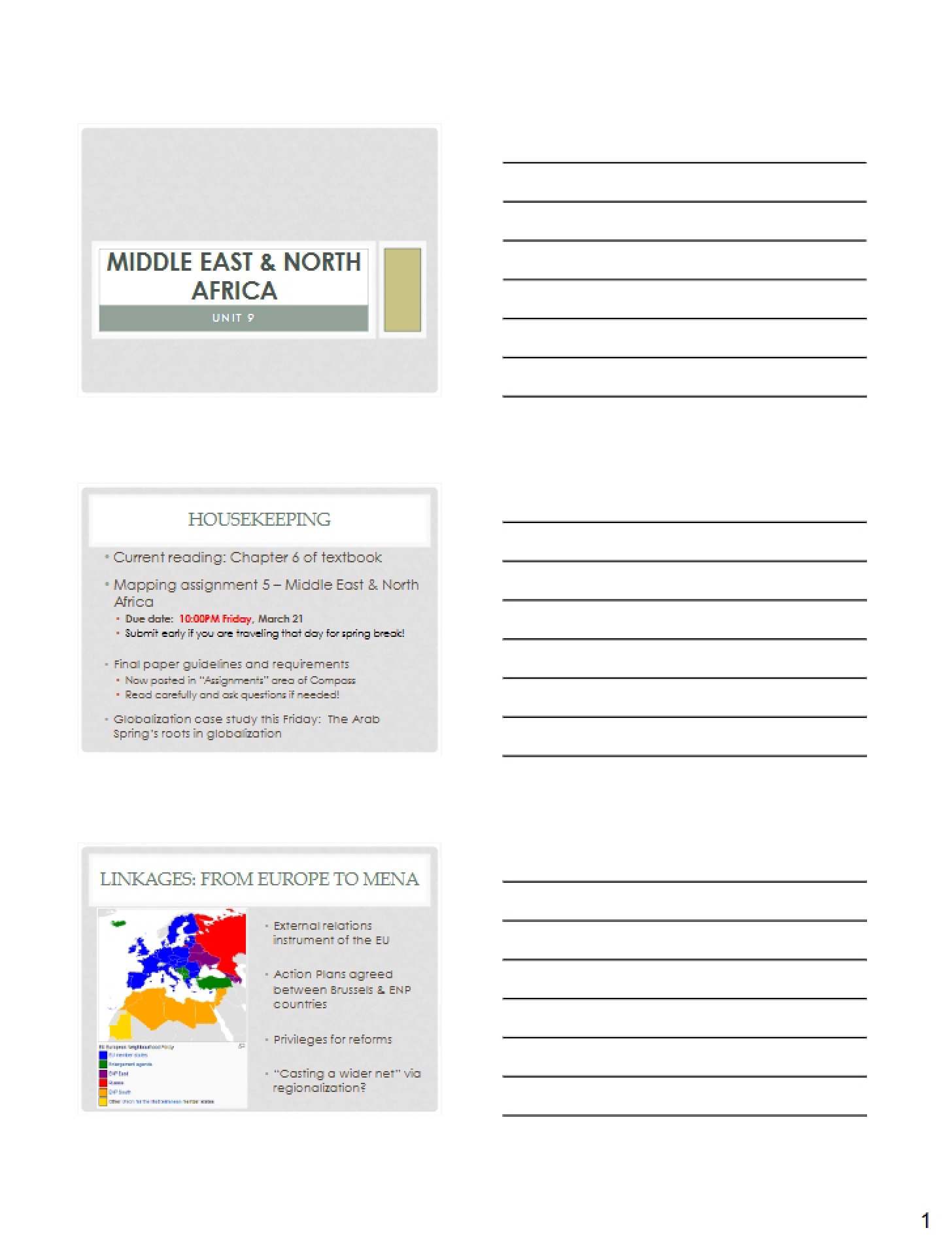
This document comprises Lecture Set 2 for GEOG 106: Geographies of Globalization at the University of Illinois at Urbana-Champaign, focusing on the United States and Canada. It’s a comprehensive exploration of how globalization manifests within these two North American nations, examining the interplay of various forces and their impacts on the environment, economy, culture, and political landscapes. This lecture set delves into complex relationships and challenges arising from increased global interconnectedness.
Why This Document Matters
Students enrolled in GEOG 106 will find this lecture set essential for a deeper understanding of the course material. It’s particularly valuable when preparing for discussions, completing assignments, and building a strong foundation for the hourly exam. Individuals interested in the geographical dimensions of globalization, specifically as they relate to North America, will also benefit from the insights presented. Accessing this material will enhance your ability to critically analyze current events and understand the forces shaping the region.
Topics Covered
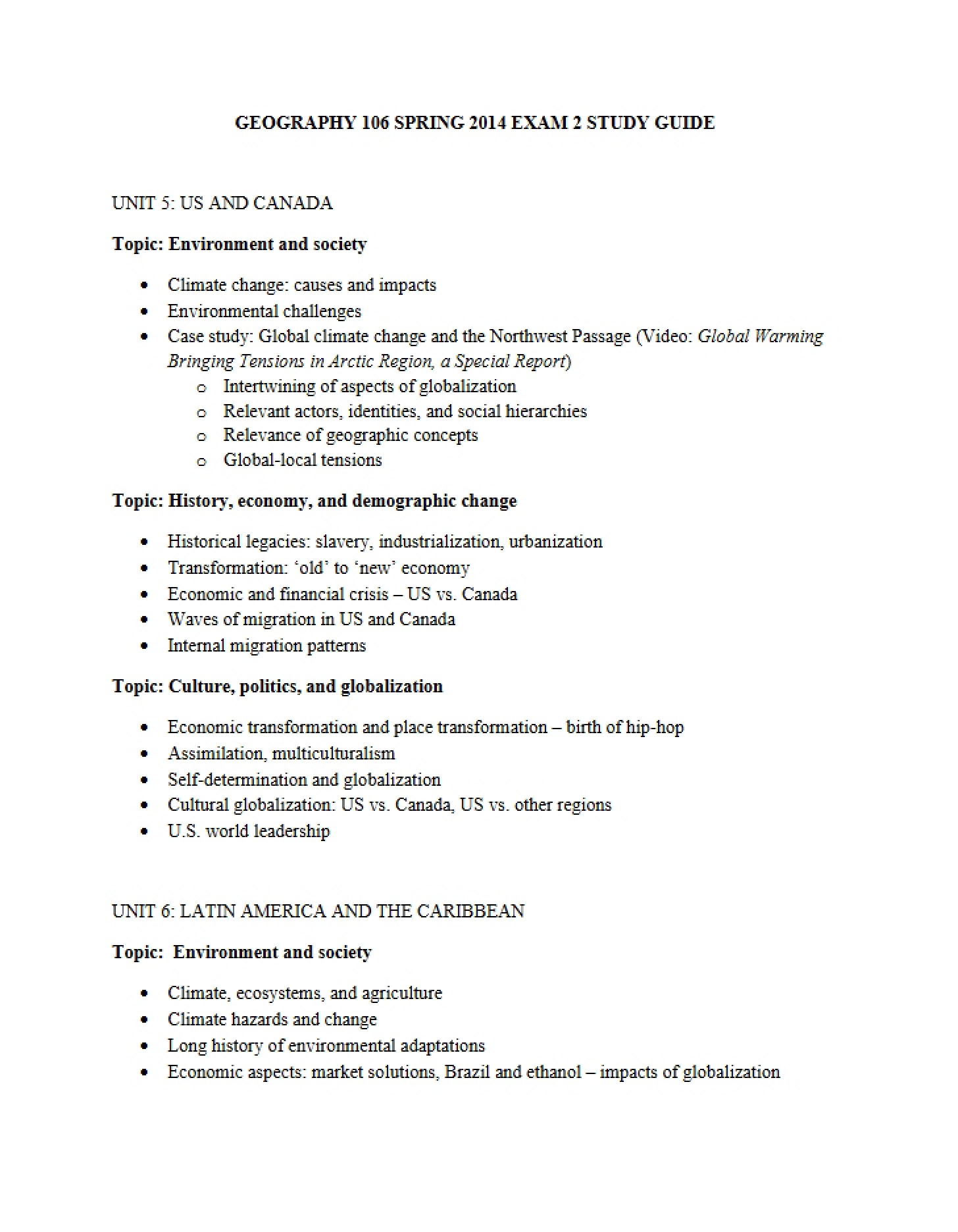
* Globalization’s impact on the environment and society in the US & Canada
* Economic transformations and the shift to a “new” economy
* Migration patterns and demographic changes within North America
* The intersection of culture, politics, and globalization
* Territorial issues, political influence, and self-determination movements
* Case studies illustrating globalization processes in action
* The evolving economic relationship between the US and Canada
* The role of globalization in shaping cultural landscapes
What This Document Provides
* An overview of key concepts related to globalization within a North American context.
* Examination of the historical trajectory of globalization in the US and Canada.
* Discussion points for analyzing complex global issues.
* Insights into the challenges and opportunities presented by increased global interconnectedness.
* Context for understanding current events related to the environment, economy, and culture in the region.
* Important logistical information regarding course assignments and resources.