What This Document Is
This is a lecture summary from RTV 3007, Development and Structure of Electronic Media and New Technology, at the University of Central Florida. It provides a focused overview of key concepts discussed in a lecture delivered on August 21, 2014. The summary aims to consolidate information regarding the evolution of media platforms and the relationships between them, offering a foundational understanding of the industry’s structural shifts. It’s designed to be a helpful companion to course lectures and readings.
Why This Document Matters
Students enrolled in RTV 3007, or those studying media development and the impact of new technologies, will find this summary particularly useful. It’s ideal for reinforcing learning after a lecture, preparing for broader discussions, or quickly reviewing core ideas before assessments. Individuals interested in the historical trajectory of broadcasting and its convergence with newer media forms will also benefit from the insights contained within. Accessing the full content will provide a deeper understanding of these complex relationships.
Topics Covered
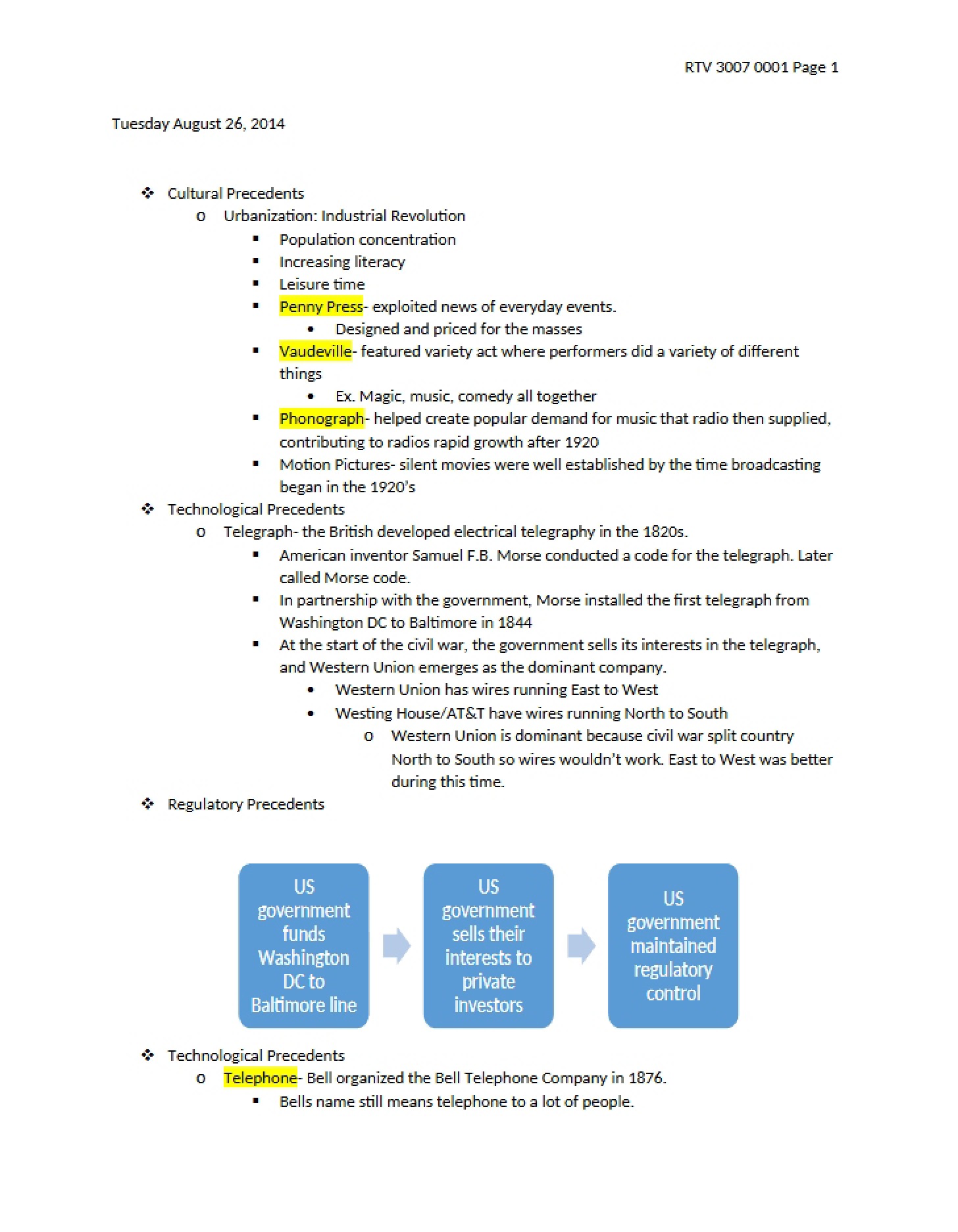
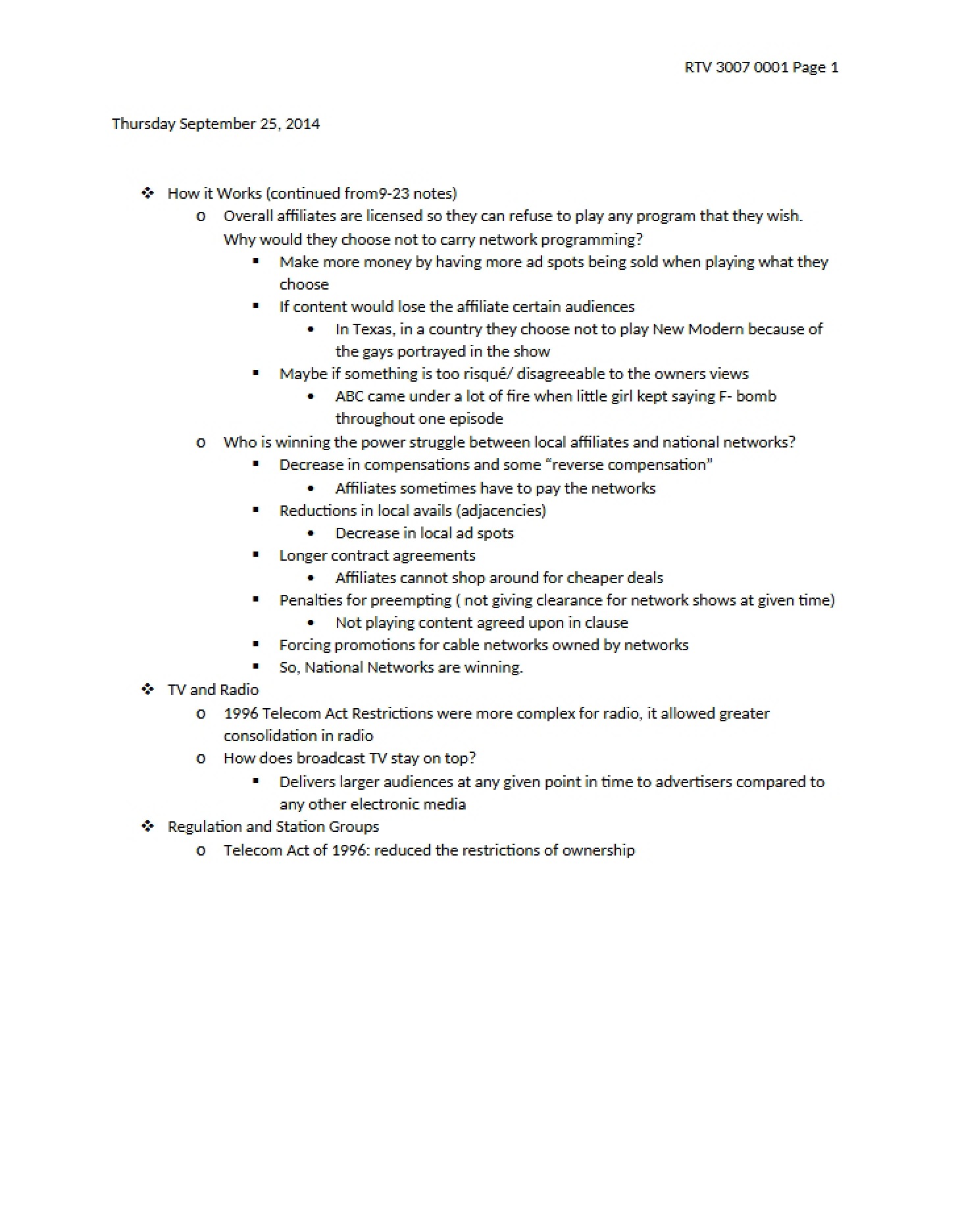
* The historical landscape of broadcasting – including major network structures.
* Distinctions between various media distribution methods (broadcast, cable, satellite).
* The concept of media convergence and its implications.
* The shift from unidirectional to bidirectional communication models.
* Industry strategies like vertical and horizontal integration.
* The evolving power dynamics within the media landscape and the democratization of content.
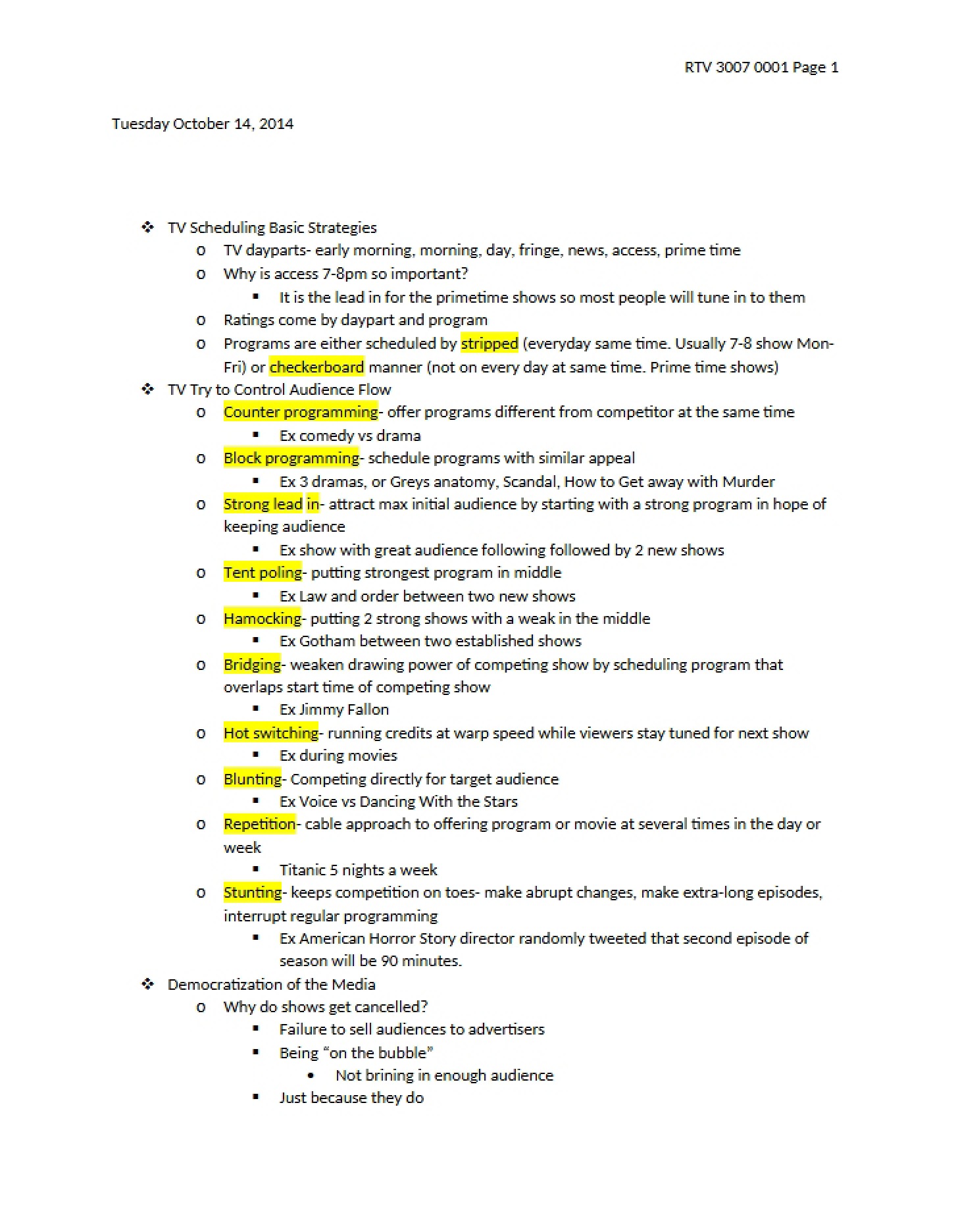
* The impact of technological advancements on audience behavior and viewing habits.
What This Document Provides
* A concise recap of lecture material from a specific date.
* Definitions of key terminology related to media structure and development.
* An overview of the relationships between different types of media organizations.
* Contextualization of historical shifts in media power and control.
* A framework for understanding the interplay between technology, industry, and audience.