What This Document Is
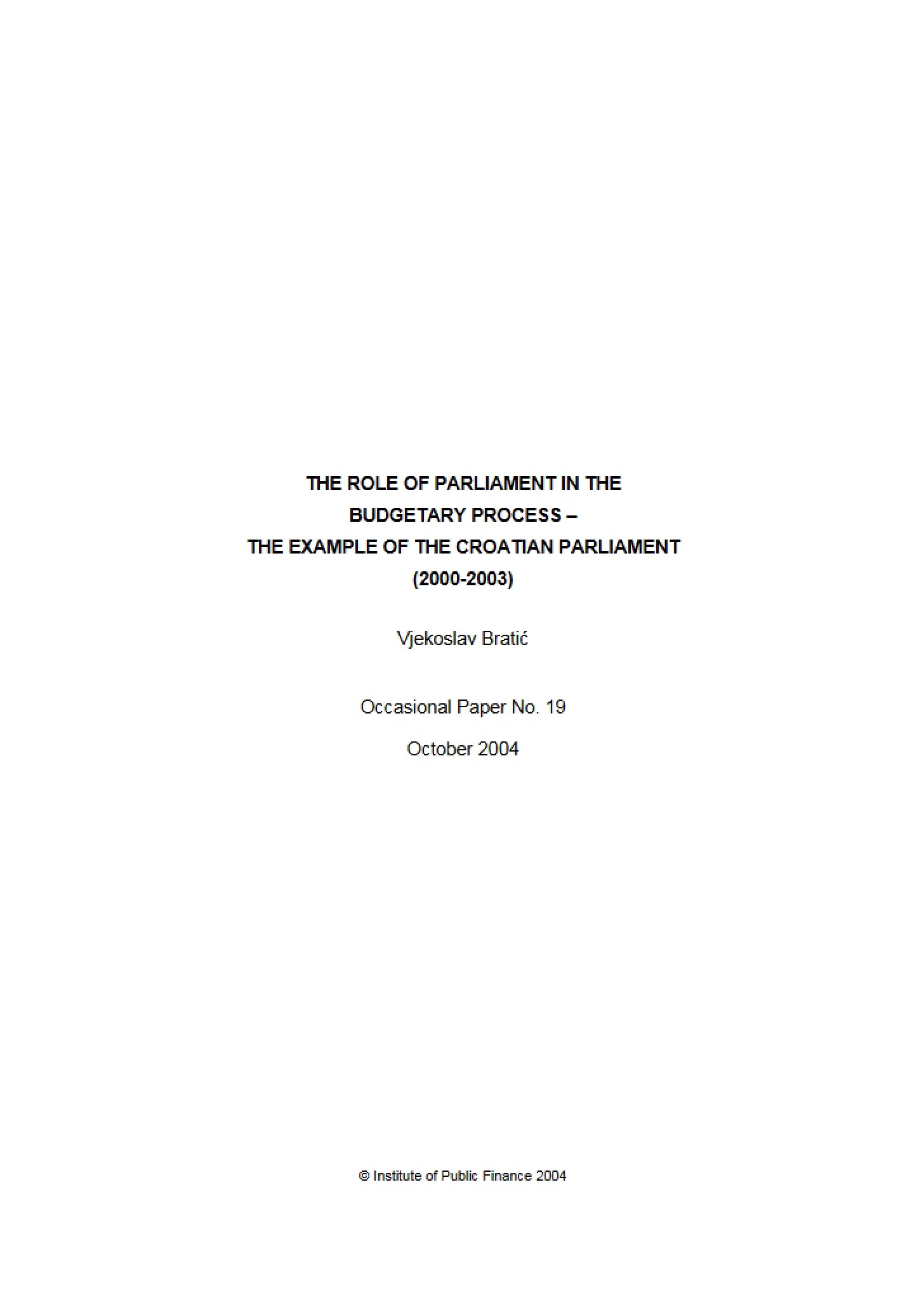
This study guide offers an in-depth exploration of the legal transformations Croatia underwent in preparation for and following its accession to the European Union. It’s a focused analysis of the complex interplay between Croatian law, the requirements of EU membership (the *acquis communautaire*), and the necessary constitutional adjustments. The work delves into the theoretical and practical challenges of aligning a national legal system with the supranational framework of the EU, examining concepts like direct effect, sovereignty, and the role of international law.
Why This Document Matters
Students enrolled in courses on comparative law, European Union law, constitutional law, or Eastern European legal systems will find this resource particularly valuable. It’s ideal for those seeking a nuanced understanding of the legal hurdles faced by transitioning economies and the broader implications of EU expansion. Researchers investigating the impact of EU integration on national legal frameworks will also benefit from this detailed analysis. This is especially useful when preparing for coursework requiring a deep dive into the specifics of Croatia’s legal evolution.
Common Limitations or Challenges
This guide provides a focused legal analysis and does *not* offer a comprehensive overview of Croatian history, politics, or economics. It doesn’t present a step-by-step guide to EU accession procedures applicable to all nations, nor does it provide current updates on legal changes post-accession. The analysis is centered on the legal system specifically, and doesn’t delve into detailed economic or political impacts beyond their relevance to legal considerations.
What This Document Provides
* An examination of the legal obligations Croatia faced under the Stability and Association Agreement (SAA).
* Discussion of the constitutional changes required for EU membership.
* Analysis of the legal status of EU law within the Croatian legal system.
* Exploration of key legal concepts such as legal monism, legal dualism, and the division of powers in the context of EU integration.
* Consideration of the criteria used to evaluate a legal system’s readiness for EU membership.
* Key vocabulary and terminology related to international and EU law.