What This Document Is
This document contains detailed lesson notes covering fundamental tax concepts within the framework of microeconomic principles. Specifically, it explores how taxes function in a market, who bears the burden of those taxes, and the broader economic consequences that result. It’s part of a comprehensive course on microeconomics designed for university-level study.
Why This Document Matters
This resource is ideal for students enrolled in introductory microeconomics courses who are looking to solidify their understanding of taxation. It’s particularly helpful when tackling assignments or preparing for assessments focused on market equilibrium, welfare economics, and government intervention. Understanding these concepts is crucial not only for academic success but also for informed participation in discussions about public policy and economic issues. This material will be most beneficial when studied in conjunction with course lectures and assigned readings.
Topics Covered
* Different types of taxes and how they are applied.
* The impact of taxes on market supply and demand.
* Tax incidence – determining who ultimately pays a tax.
* The relationship between tax burden and elasticity of demand and supply.
* Welfare effects of taxation, including consumer and producer surplus.
* Deadweight loss resulting from taxation.
* The concept of subsidies and their effect on market outcomes.
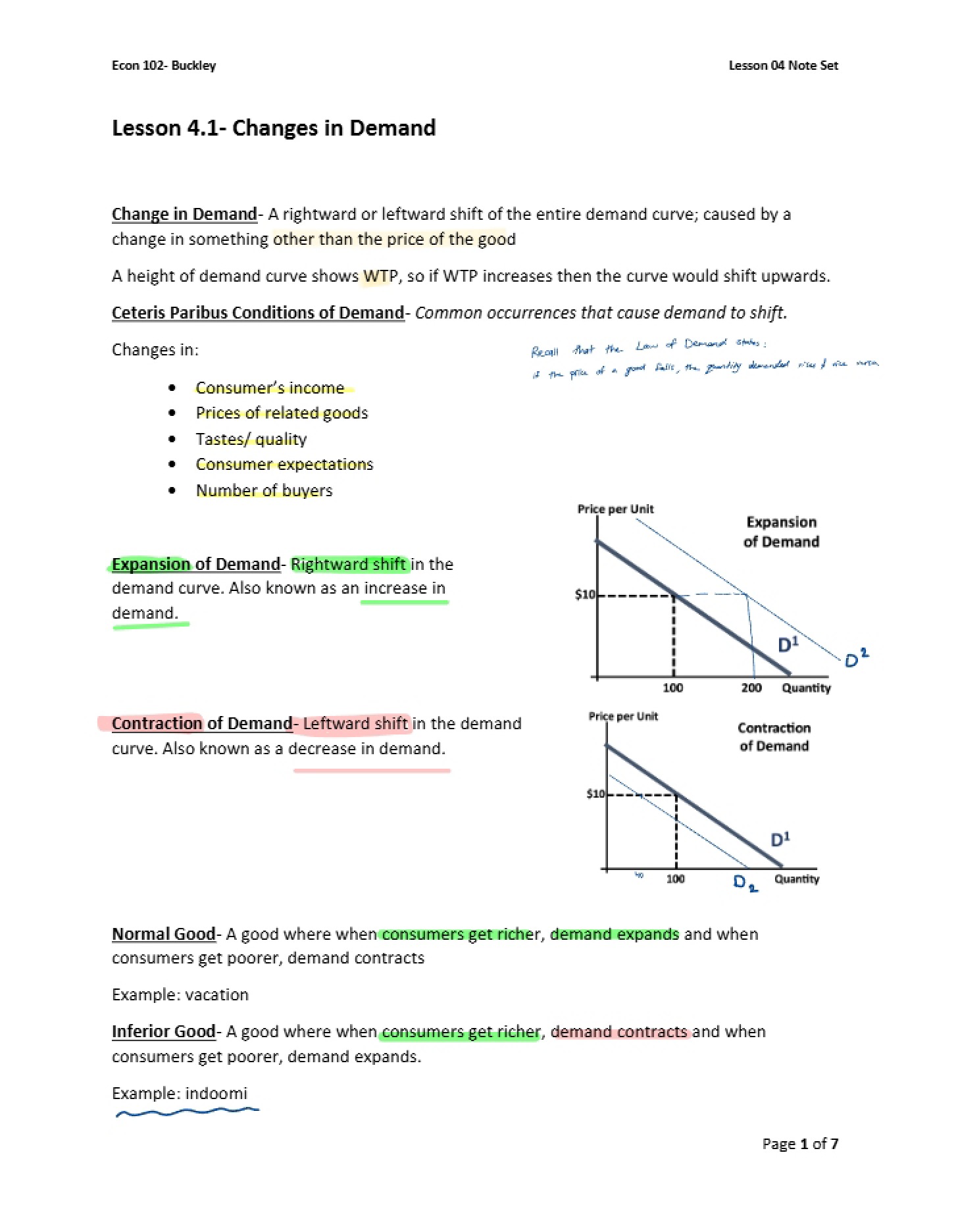
* Graphical representations of tax impacts and deadweight loss.
What This Document Provides
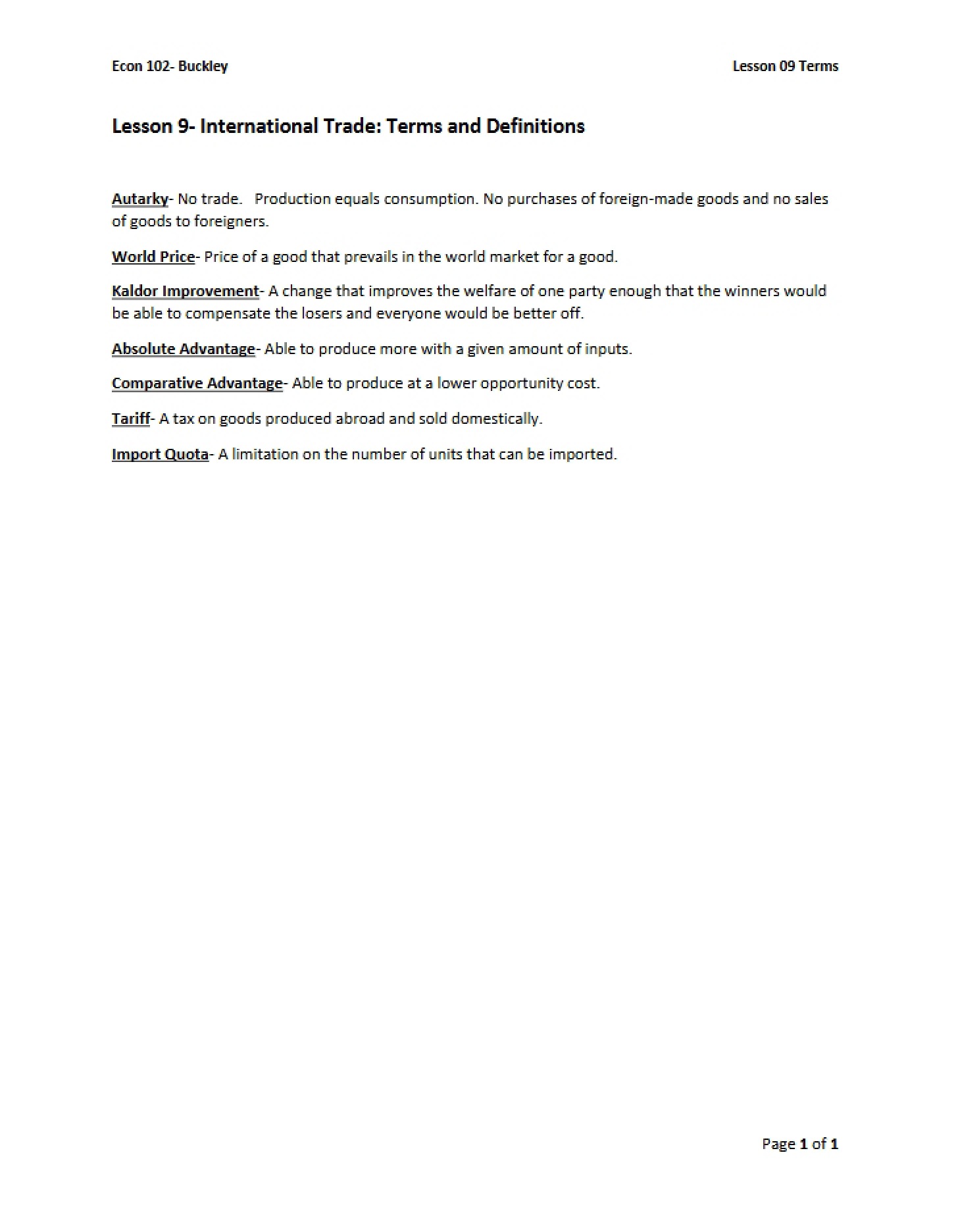
* Clear explanations of key terminology related to taxation.
* Illustrative examples to demonstrate how taxes affect market dynamics.
* A framework for analyzing the distribution of tax burdens.
* Discussion of the Laffer Curve and its implications.
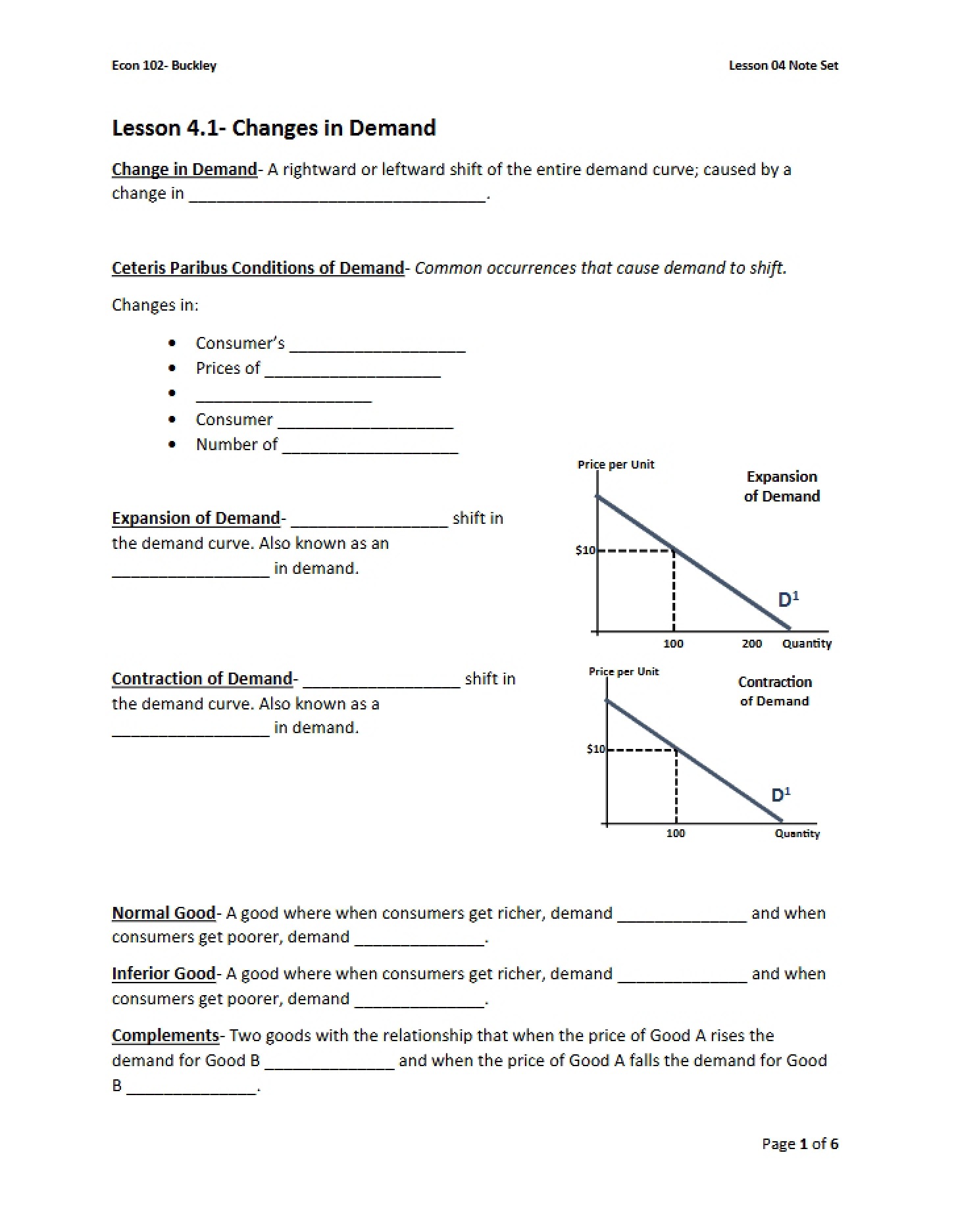
* Visual aids to help understand complex economic relationships.
* A structured overview of the economic consequences of government taxation policies.