What This Document Is
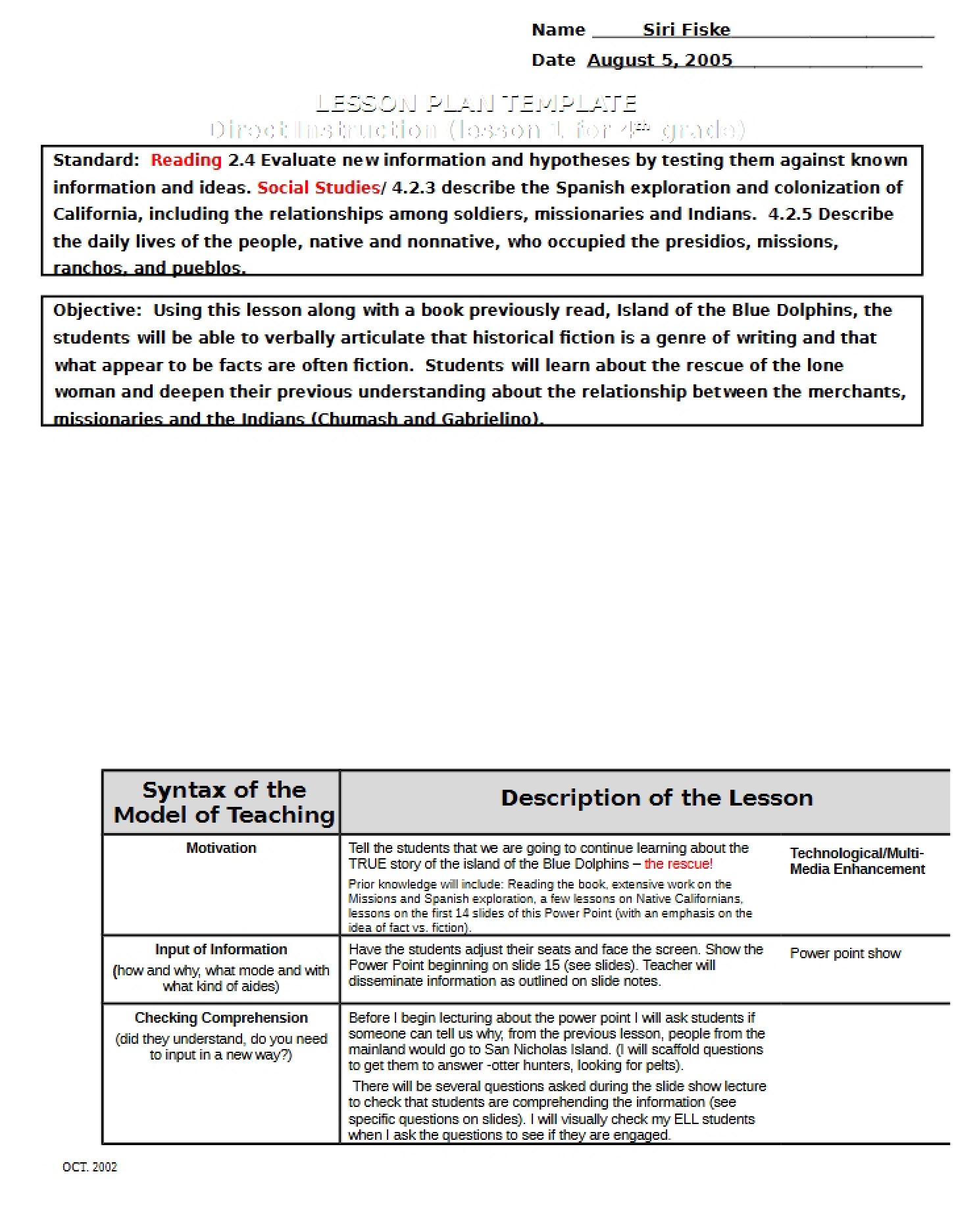
This is a detailed lesson plan designed for a Language Arts and Theatre course, specifically geared towards exploring communication, cultural understanding, and historical empathy. Developed for use in a university-level education course (EDUC 503 at the University of Southern California), it centers around a compelling historical case study – the story of a lone woman and the loss of her language. The plan outlines a series of activities intended to engage students in active learning and critical thinking about language, culture, and interpretation. It integrates elements of listening, speaking, dramatic expression, and research.
Why This Document Matters
This lesson plan is invaluable for educators preparing to teach sensitive topics related to cultural contact, historical trauma, and the importance of linguistic diversity. It’s particularly useful for those seeking innovative ways to combine language arts with social studies and theatre arts. Pre-service and in-service teachers will find it helpful when designing curriculum that promotes student engagement, encourages thoughtful questioning, and fosters a deeper understanding of complex historical events. It’s best utilized during curriculum development or when seeking fresh approaches to teaching communication skills.
Common Limitations or Challenges
This lesson plan provides a framework and suggested activities, but it does not include the specific audio recording or transcriptions referenced within. It also doesn’t offer detailed background information on the historical figure at the center of the lesson; users will need to supplement with their own research. The plan assumes a certain level of prior knowledge regarding California history and Native American cultures, and doesn’t provide exhaustive details on these topics. It’s a blueprint for a lesson, not a complete, ready-to-deliver package.
What This Document Provides
* Clearly defined learning objectives related to communication, dramatic expression, and historical understanding.
* A structured sequence of activities designed to build student engagement and critical thinking.
* Suggestions for grouping strategies and facilitating small group discussions.
* Guidance on integrating prior knowledge and external resources into the lesson.
* A framework for assessing student understanding through observation and discussion.
* Reflection points on the challenges of interpreting the past and the limitations of available information.