What This Document Is
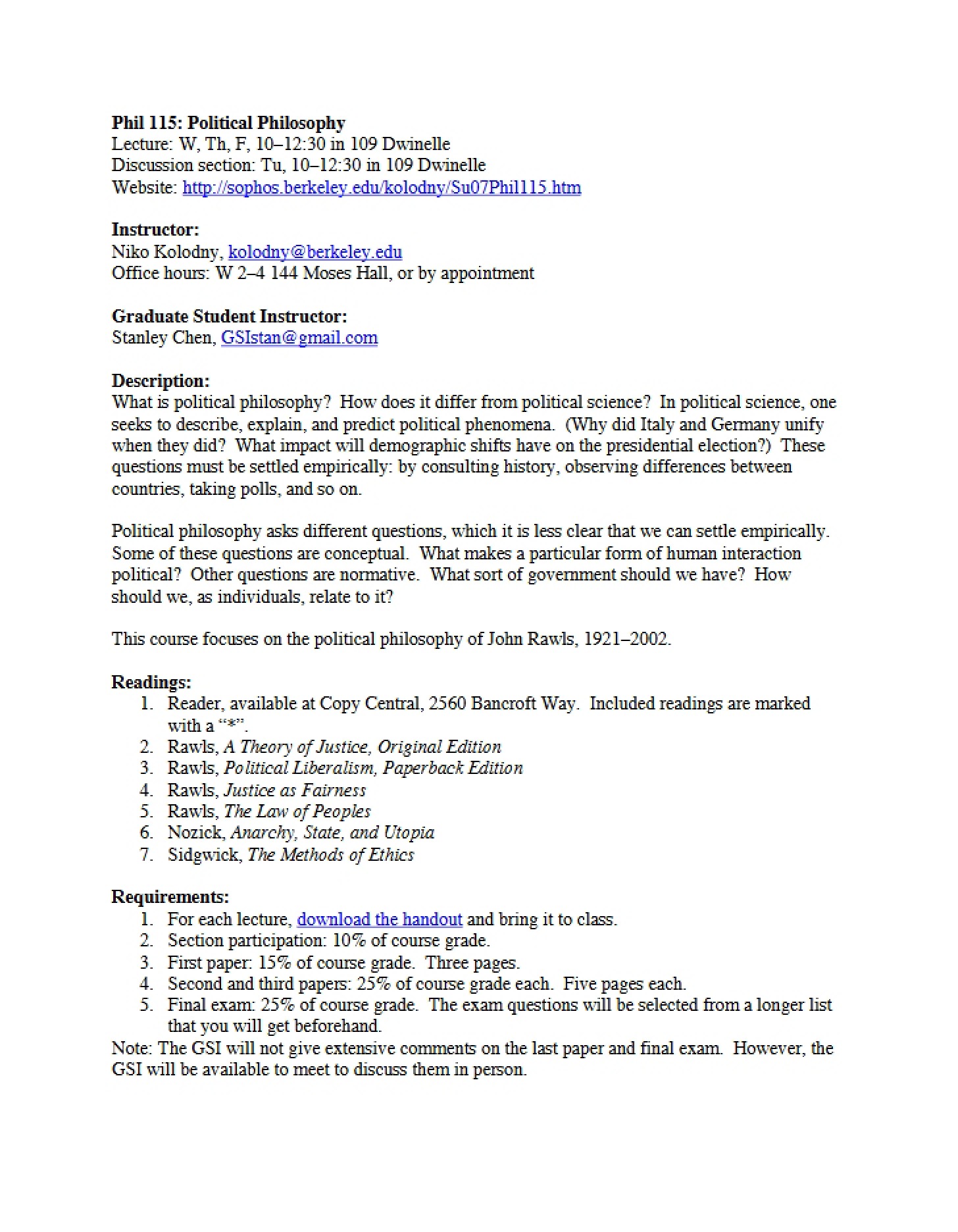
This study guide delves into the core tenets of Libertarianism, specifically through a focused examination of Robert Nozick’s influential work, *Anarchy, State, and Utopia*. It presents a detailed contrast between libertarian principles and other political philosophies, exploring the foundations of individual rights and the legitimacy of state power. This resource is designed to support students grappling with complex concepts in political philosophy.
Why This Document Matters
This guide is invaluable for students in Political Philosophy courses – particularly those at the University of California, Berkeley – seeking a deeper understanding of libertarian thought. It’s most helpful when preparing for class discussions, working on essays, or studying for exams that require a nuanced grasp of rights-based political theories. It will be particularly useful when analyzing the philosophical justifications for different forms of government and the limits of state intervention.
Topics Covered
* The philosophical underpinnings of individual rights
* The concept of “side constraints” in moral and political theory
* Justifications for rights, including Kantian principles and individual autonomy
* The theoretical transition from a state of nature to a minimal state
* The role and function of mutual protection associations and protective agencies
* Distinctions between different types of states – ultraminimal, minimal, and traditional
* The legitimacy of force and the role of monopolies in protection
What This Document Provides
* A structured exploration of Nozick’s arguments regarding the minimal state.
* An analysis of the core components of a rights-based political system.
* A framework for understanding the potential conflicts between individual liberty and collective action.
* A detailed examination of the theoretical justifications offered for libertarian principles.
* A comparative overview of different models of political organization, focusing on the role of protection and enforcement.