What This Document Is
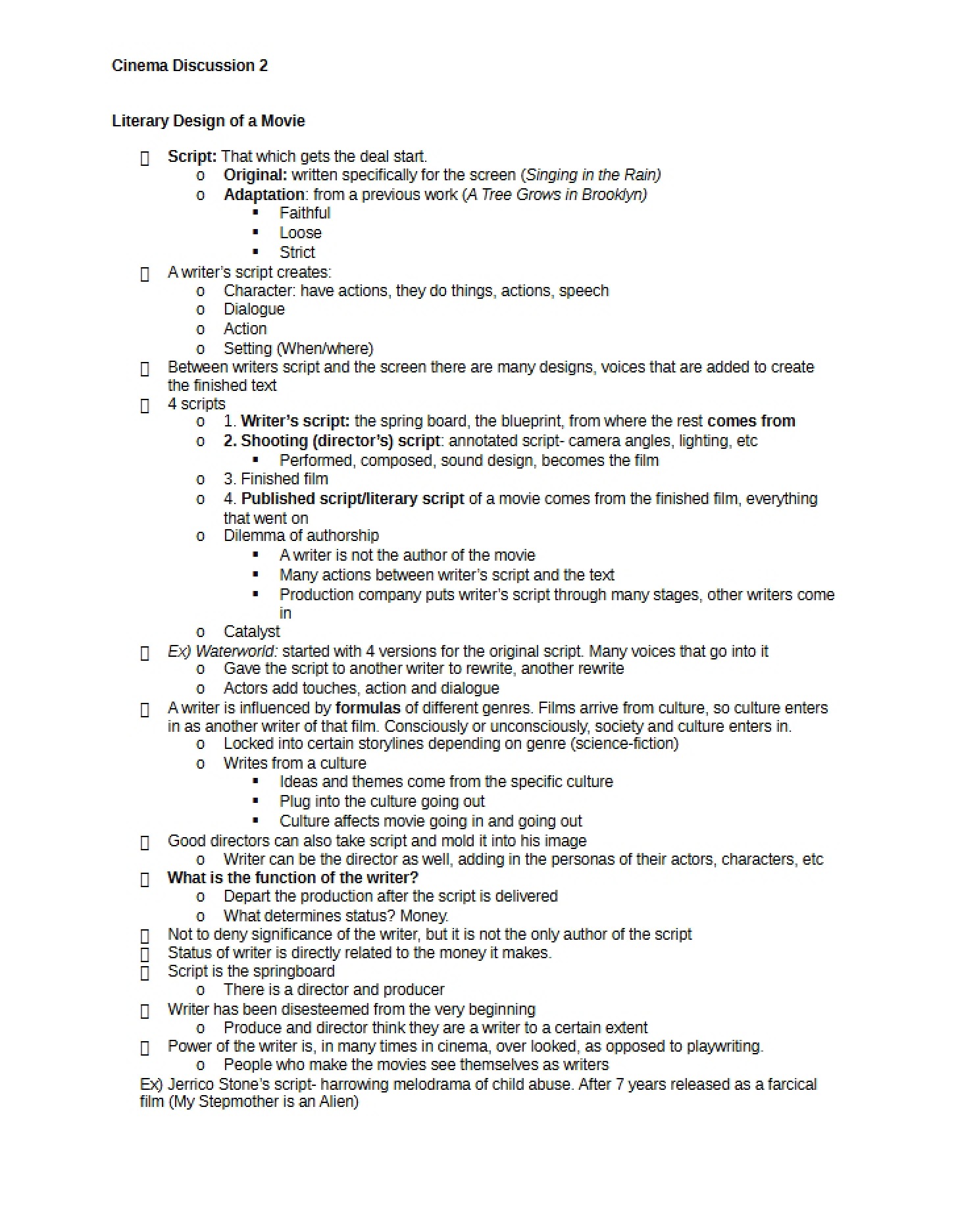
This study guide delves into the foundational elements of cinematic storytelling, specifically focusing on “Literary Design” within the context of film. It’s designed for students in an introductory cinema course, exploring the building blocks of narrative construction and how writers translate ideas into a visual medium. The material examines the relationship between a film’s story and its plot, and how these elements are shaped by time, cause, and effect. It also introduces key concepts related to scriptwriting and dramatic structure.
Why This Document Matters
This guide is invaluable for students beginning their journey into film analysis and creation. It’s particularly helpful when you’re starting to dissect how films *work* – beyond simply enjoying them. Use this resource as you begin to understand the core principles of narrative, preparing you for more advanced discussions on film theory and practice. It’s ideal for reviewing after lectures, preparing for class discussions, or solidifying your understanding of fundamental cinematic techniques. Students aiming to write their own screenplays will also find the insights into the writer’s role particularly beneficial.
Common Limitations or Challenges
This guide focuses on theoretical frameworks and terminology. It does *not* offer detailed analyses of specific films, nor does it provide step-by-step instructions for scriptwriting. It’s a foundational resource, meaning it lays the groundwork for further exploration – it won’t provide ready-made answers or interpretations. It also doesn’t cover the technical aspects of filmmaking, such as cinematography or editing.
What This Document Provides
* An overview of the core components of narrative: story versus plot.
* Exploration of how time is manipulated in film through techniques like flashbacks and flashforwards.
* Discussion of the writer’s role in the filmmaking process and the collaborative nature of screenwriting.
* An introduction to common dramatic structures used in film.
* Examination of different points of view and how they impact the audience’s experience.
* Key terminology related to character development and plot construction.