What This Document Is
This resource is a focused exploration of load concepts within the context of structural engineering, specifically geared towards advanced architectural studies. It delves into the various types of loads that structures must withstand – both static and dynamic – and how these forces influence design considerations. It references industry standards and real-world case studies to illustrate key principles. The material builds upon foundational knowledge of structural behavior and prepares students for more complex analyses.
Why This Document Matters
This material is essential for architecture students in advanced structural systems courses. It’s particularly valuable when you’re beginning to analyze and design building components, needing to understand the forces acting upon them. Students preparing for design projects, or those seeking a deeper understanding of how structures respond to real-world conditions, will find this a helpful reference. It’s designed to supplement textbook readings and classroom lectures, offering a concentrated look at a critical aspect of structural design.
Common Limitations or Challenges
This resource focuses on the *concepts* behind structural loads. It does not provide detailed calculations, step-by-step design procedures, or software tutorials. It also doesn’t cover every possible loading scenario; instead, it concentrates on commonly encountered forces and their implications. While it references building codes, it is not a substitute for a complete code review. Access to the full material is required for in-depth exploration of specific load calculations and applications.
What This Document Provides
* An overview of different load classifications (dead, live, dynamic, impact, etc.)
* Discussion of load reduction techniques as permitted by industry standards.
* Exploration of load paths and tributary areas for effective structural analysis.
* Illustrative examples of how loads impact structural performance, including a case study analysis.
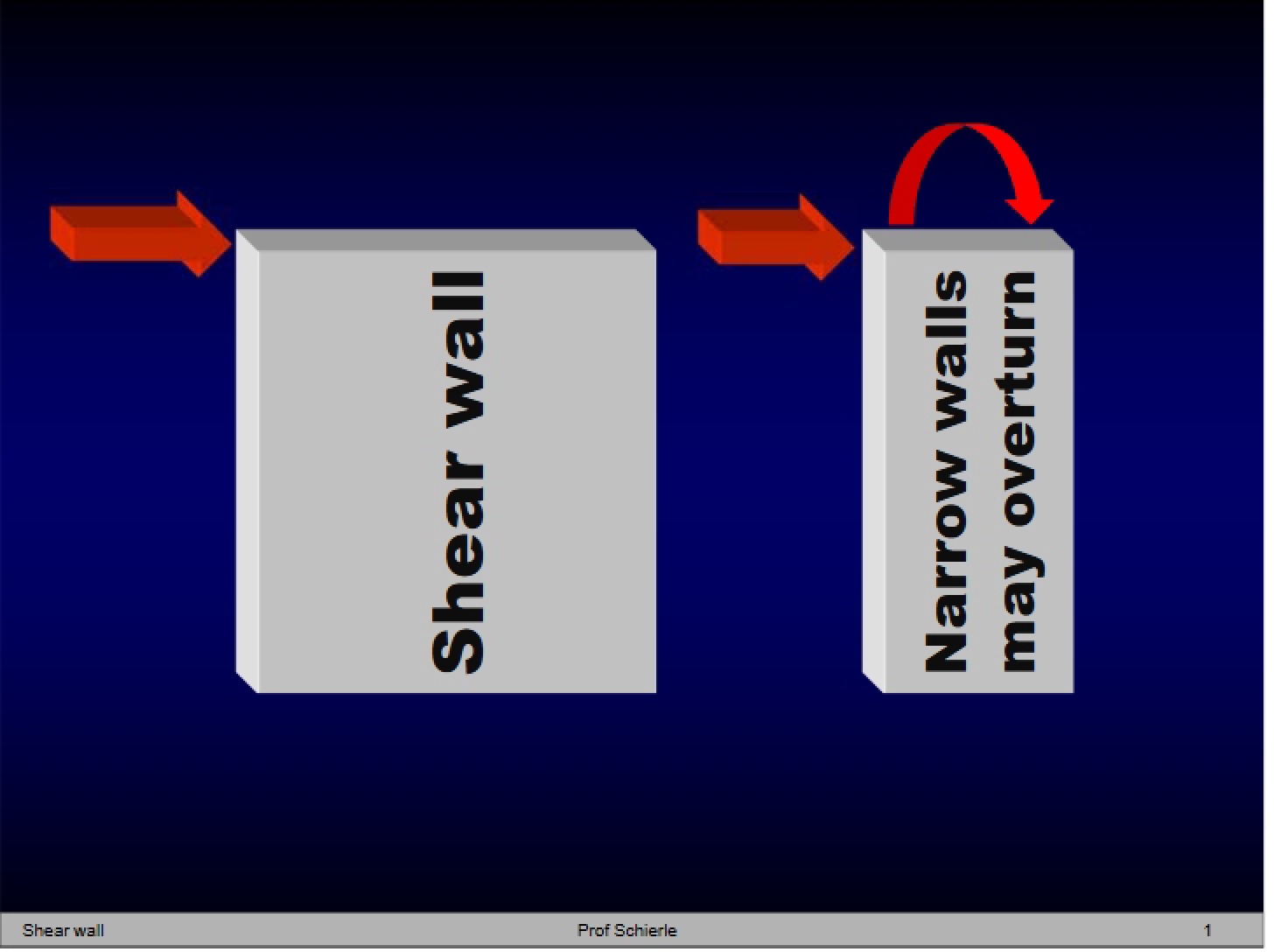
* Consideration of lateral loads, such as wind pressure, and their transmission through a building’s structural system.
* Examination of the relationship between load types and seismic design considerations.