What This Document Is
This resource is a detailed exploration of well logging techniques, a cornerstone of petroleum geology. It delves into the various types of logs used to analyze subsurface formations encountered during oil and gas exploration and production. The material focuses on understanding the principles behind each logging tool and how the data acquired is applied to interpret geological characteristics and reservoir properties. It’s geared towards students and professionals seeking a comprehensive understanding of borehole geophysics.
Why This Document Matters
This material is essential for anyone studying or working in petroleum geology, geophysics, or related fields. It’s particularly valuable for students taking courses focused on formation evaluation, reservoir characterization, or well log analysis. Professionals involved in wellsite geology, petrophysics, or reservoir engineering will find this a useful reference for understanding the fundamentals of data acquisition and interpretation. Understanding well logs is crucial for making informed decisions regarding drilling, completion, and production strategies.
Common Limitations or Challenges
This resource focuses on the *principles* and *applications* of well logging. It does not provide step-by-step instructions for operating logging tools or performing complex data processing. It also doesn’t include real-world case studies with complete log datasets for practice interpretation. Furthermore, it assumes a foundational understanding of geological principles and basic physics. It is designed to build upon existing knowledge, not to serve as a complete introductory course to geology or geophysics.
What This Document Provides
* An overview of both open-hole and cased-hole logging methodologies.
* Detailed descriptions of common log types, including Spontaneous Potential (SP), Gamma Ray, and Resistivity logs.
* Discussions on the application of logs for identifying formation tops and correlating geological layers.
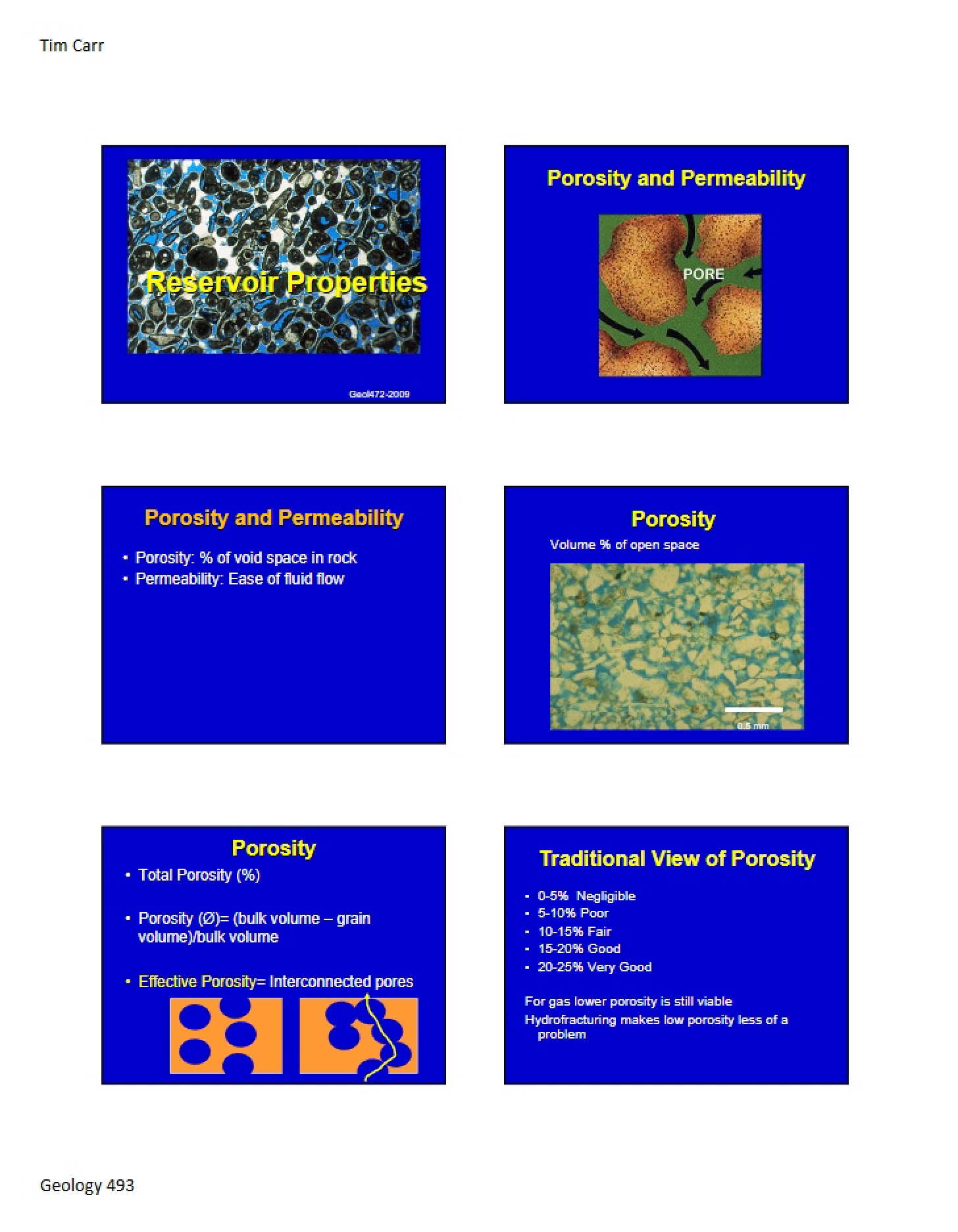
* Explanations of how logs are used to estimate formation properties like porosity and fluid saturation.
* An introduction to acoustic (sonic) and density logs and their applications.
* Key definitions of common wellbore terminology (e.g., KB, MD, TVD).
* Insights into relating log characteristics to sedimentary facies.