What This Document Is
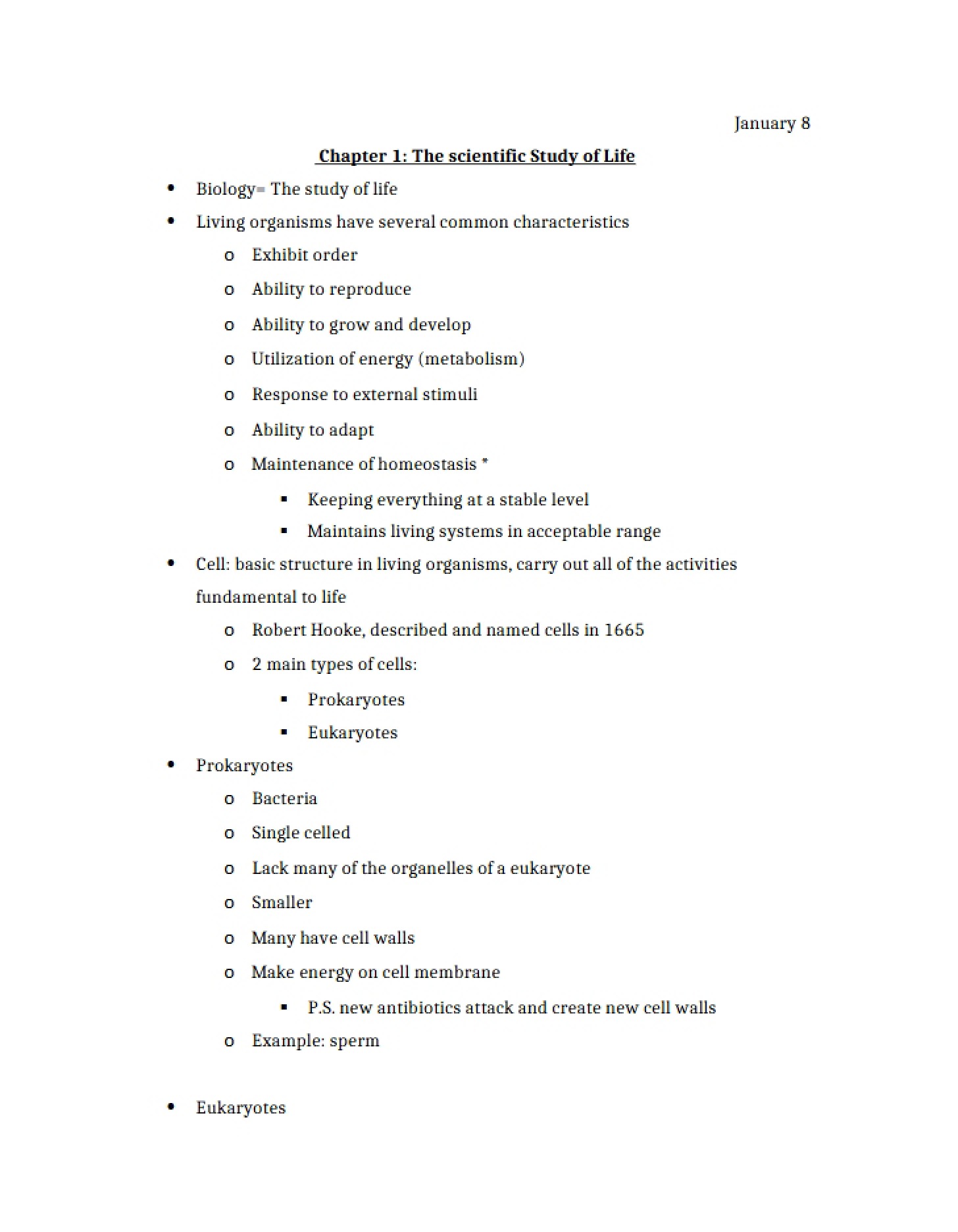
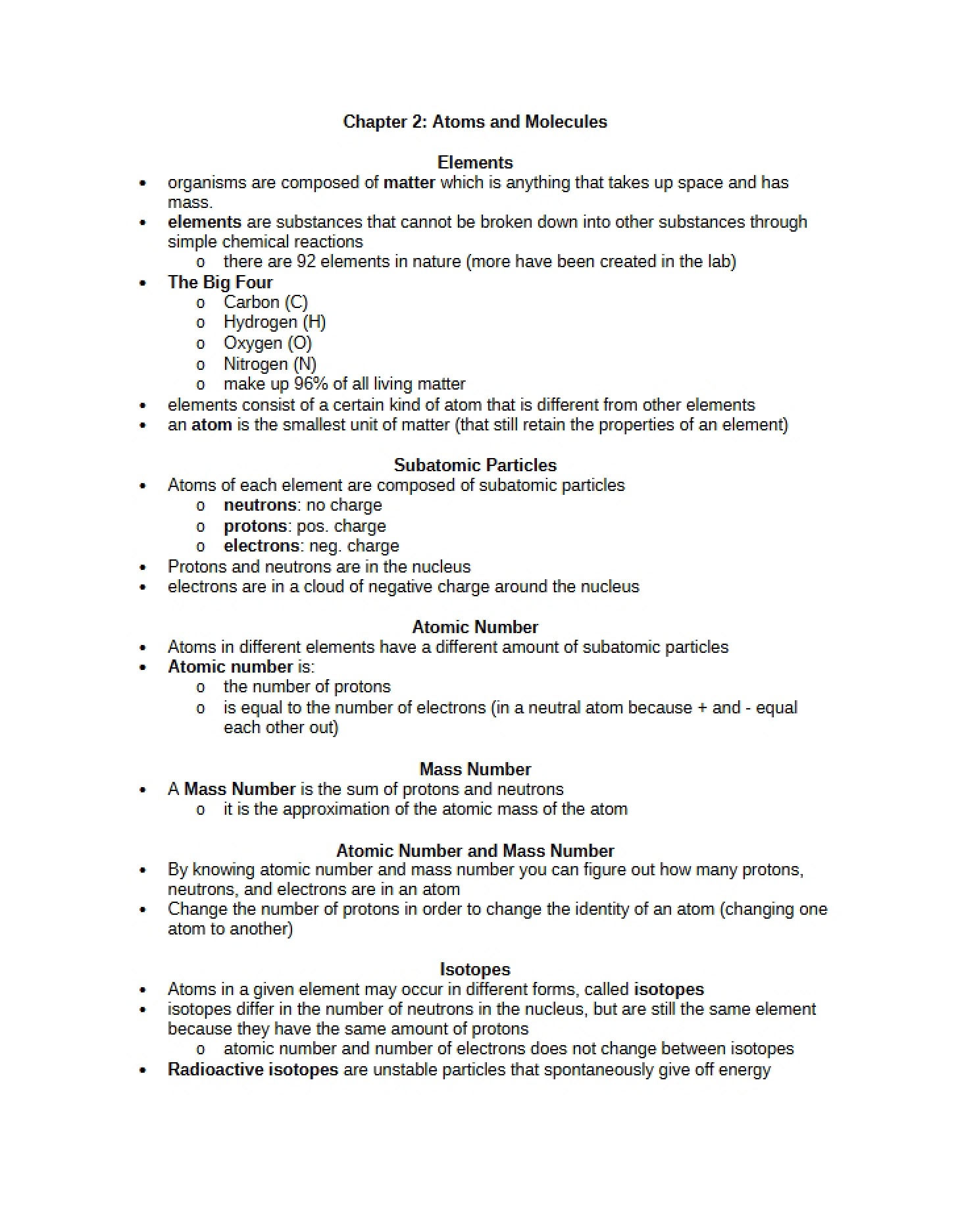
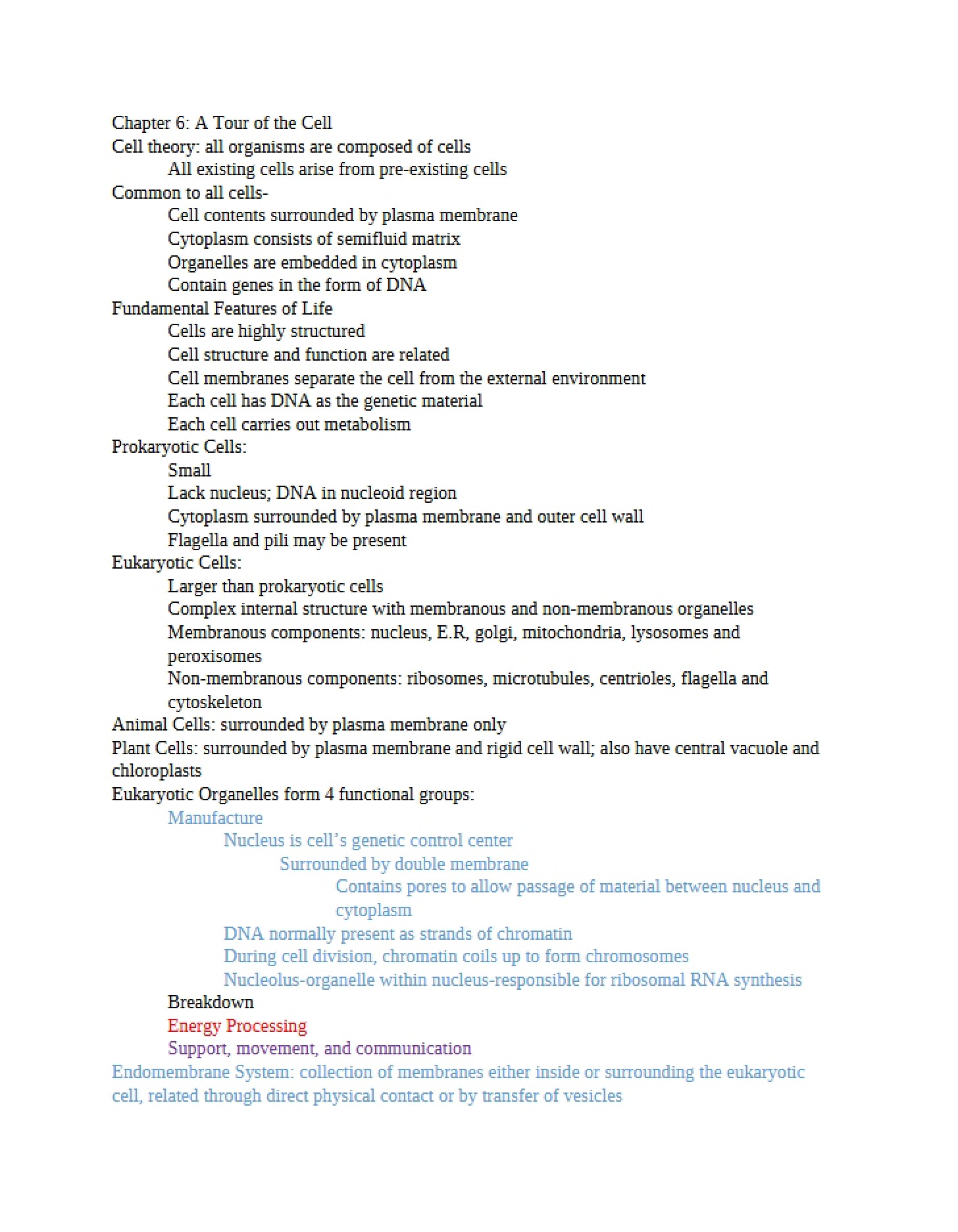
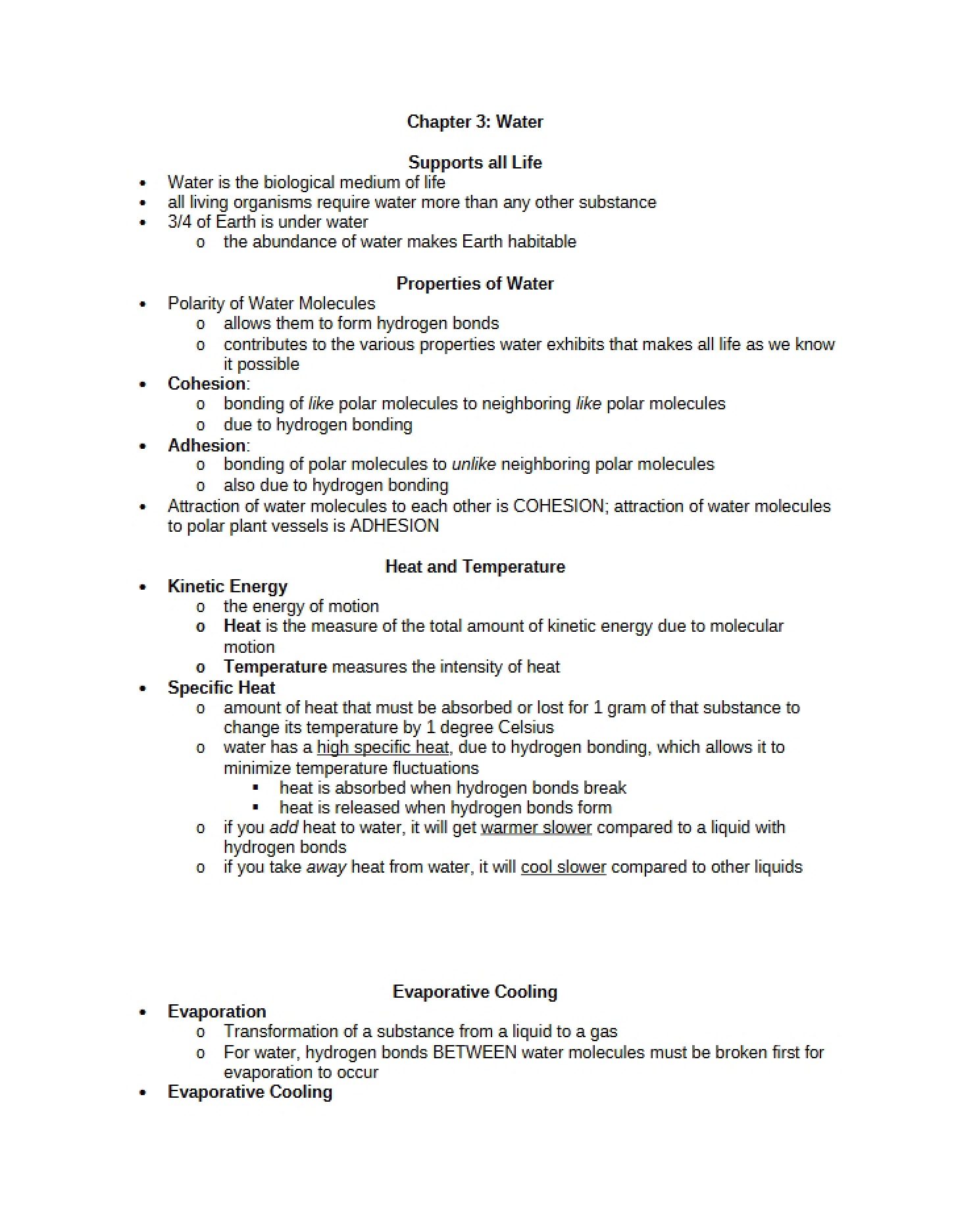
This study guide provides a comprehensive overview of macromolecules – the large, essential molecules that form the foundation of all living organisms. Specifically tailored to Biology I (BSC 2010C) at the University of Central Florida, this resource delves into the structure, function, and significance of these complex compounds within biological systems. It’s designed to support your understanding of core concepts presented in Chapter 5 of the course.
Why This Document Matters
This guide is an invaluable resource for students seeking to solidify their grasp of fundamental biochemical principles. It’s particularly helpful for those preparing for quizzes, exams, or needing a focused review of macromolecular chemistry. Whether you’re struggling to differentiate between complex structures or need a refresher on the roles these molecules play in cellular processes, this guide offers a structured approach to learning. Accessing the full resource will unlock a deeper understanding of these critical biological building blocks.
Topics Covered
* The defining characteristics of polymers and monomers, and how they relate to macromolecule formation.
* The diverse world of carbohydrates, including their various forms and biological roles.
* Lipids: their properties, classifications, and importance in energy storage and cellular structure.
* Proteins: the building blocks, levels of structural organization, and wide range of functions.
* The intricacies of protein folding and the factors that can disrupt it.
* Nucleic acids: their structure, function in information storage and transfer, and key components.
* The chemical foundations of macromolecular assembly and breakdown.
What This Document Provides
* A detailed exploration of the relationships between molecular structure and biological function.
* An organized presentation of key terminology related to macromolecules.
* A framework for understanding the essential roles of each macromolecule class within living systems.
* Insight into the building blocks that compose each macromolecule type.
* A foundation for further study of complex biological processes reliant on macromolecular interactions.