What This Document Is
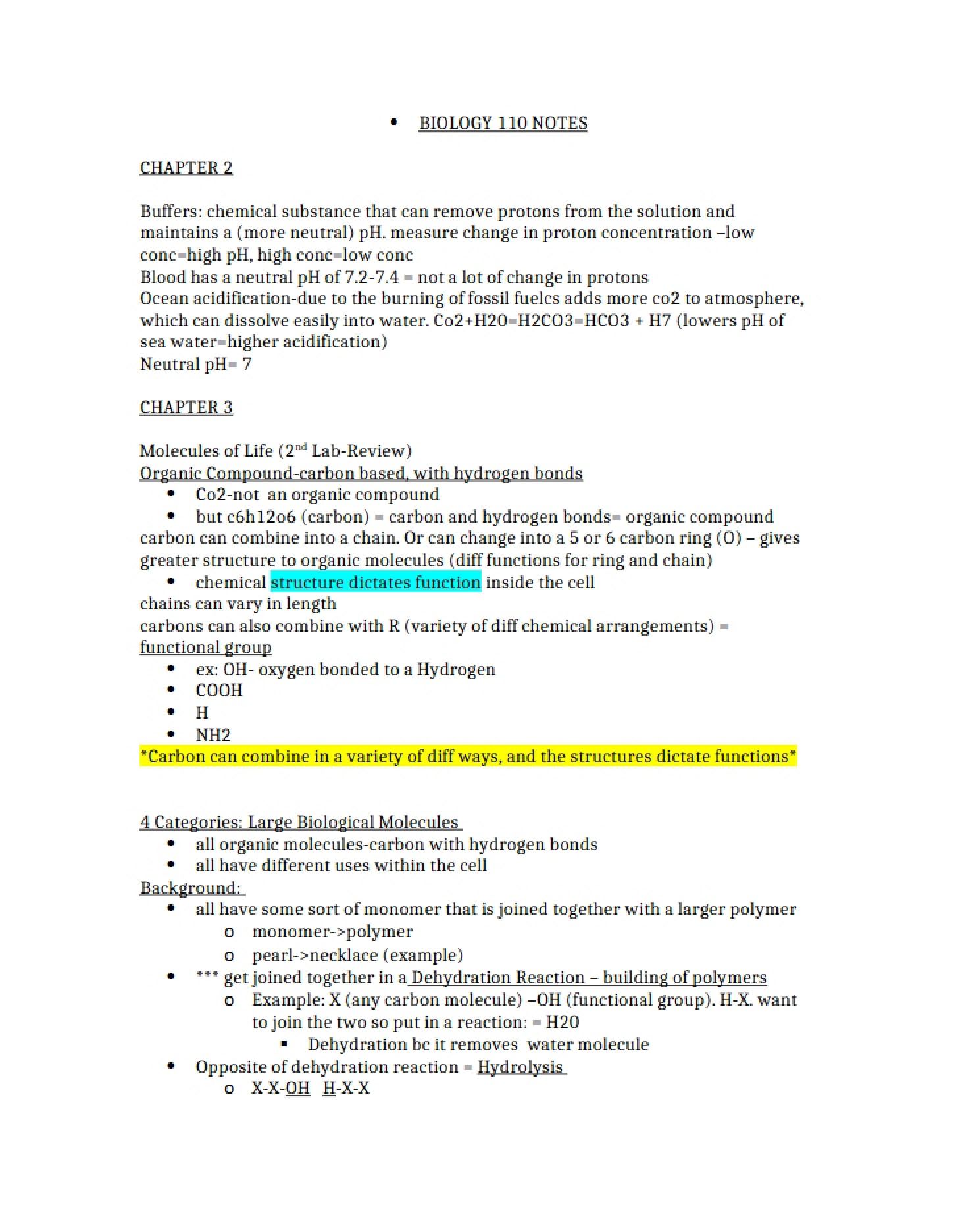
This resource is a comprehensive overview of macromolecules, a core topic within General Biology. Specifically, it delves into the four major classes of organic macromolecules essential for life – carbohydrates, proteins, lipids, and nucleic acids. It appears to be based on lecture material from a Fall 2011 course at the University of South Carolina (BIOL 110). The material focuses on the building blocks of life and how these molecules contribute to the structure and function of living organisms. It also introduces experimental methods used to identify these macromolecules.
Why This Document Matters
This material is crucial for any student enrolled in a General Biology course, particularly those needing a solid foundation in biochemistry. It’s beneficial for understanding the fundamental principles governing biological systems. Students will find this helpful when preparing for exams, completing assignments, or simply seeking a deeper understanding of the molecular basis of life. It’s especially useful when first encountering these concepts and needing a structured explanation.
Common Limitations or Challenges
This resource provides a foundational understanding of macromolecules but does *not* include detailed experimental procedures or specific results. It won’t walk you through step-by-step lab protocols or provide answers to specific questions. It also doesn’t cover advanced topics like the intricacies of enzyme kinetics or detailed protein folding mechanisms. It serves as an introductory overview, and further study may be required for a complete grasp of the subject.
What This Document Provides
* An introduction to the fundamental concepts of atoms, molecules, and compounds, differentiating between organic and inorganic molecules.
* A classification of the four major types of biological macromolecules.
* Discussion of the roles these macromolecules play in living organisms.
* An explanation of the importance of control treatments in biological experiments.
* An overview of carbohydrate structure, including monosaccharides, disaccharides, and polysaccharides.
* Key learning objectives related to macromolecule identification, formation, and function.