What This Document Is
This study guide provides a foundational overview of managing fashion apparel supply chains. It delves into the core principles and strategic considerations for businesses involved in the creation and distribution of fashion goods. The material focuses on the interconnectedness of various operational elements within the industry, moving beyond isolated functions to examine the entire system from raw materials to the end consumer. It’s designed for students and professionals seeking a comprehensive understanding of modern supply chain practices in the fashion world.
Why This Document Matters
This resource is particularly valuable for students enrolled in fashion retail, supply chain management, or related courses. It’s also beneficial for professionals working in roles such as retail buying, merchandising, production planning, logistics, or sourcing. Use this guide to build a strong conceptual framework before tackling complex case studies, real-world applications, or advanced coursework. Understanding these core concepts will empower you to analyze industry challenges and contribute to more effective supply chain strategies.
Common Limitations or Challenges
This guide focuses on the *principles* of fashion supply chain management. It does not offer detailed, step-by-step instructions for implementing specific technologies or negotiating contracts. It also doesn’t provide current market data, detailed financial analyses, or specific company case studies. The content is intended to provide a broad understanding, not a prescriptive solution to every supply chain problem. It assumes a basic understanding of business fundamentals.
What This Document Provides
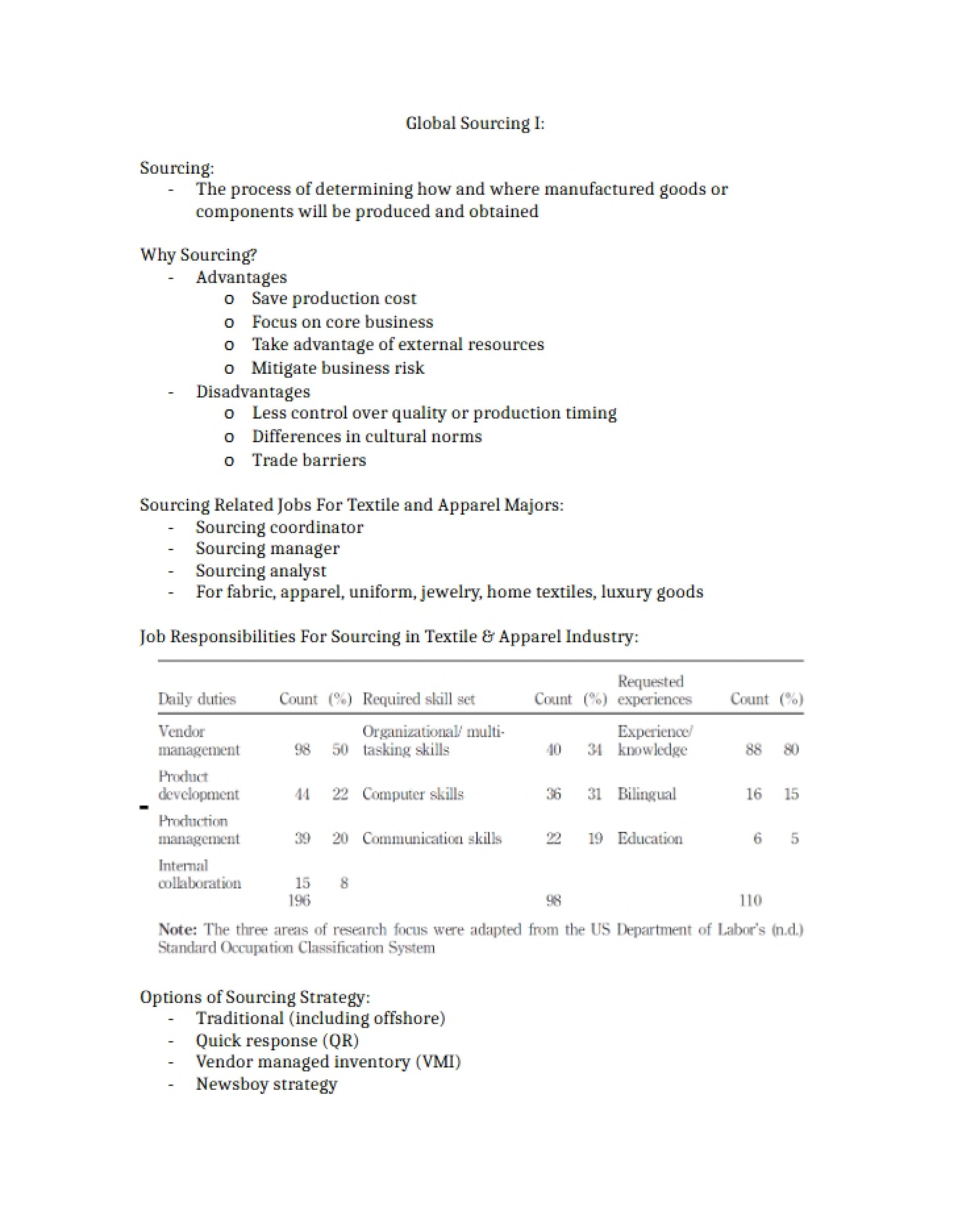
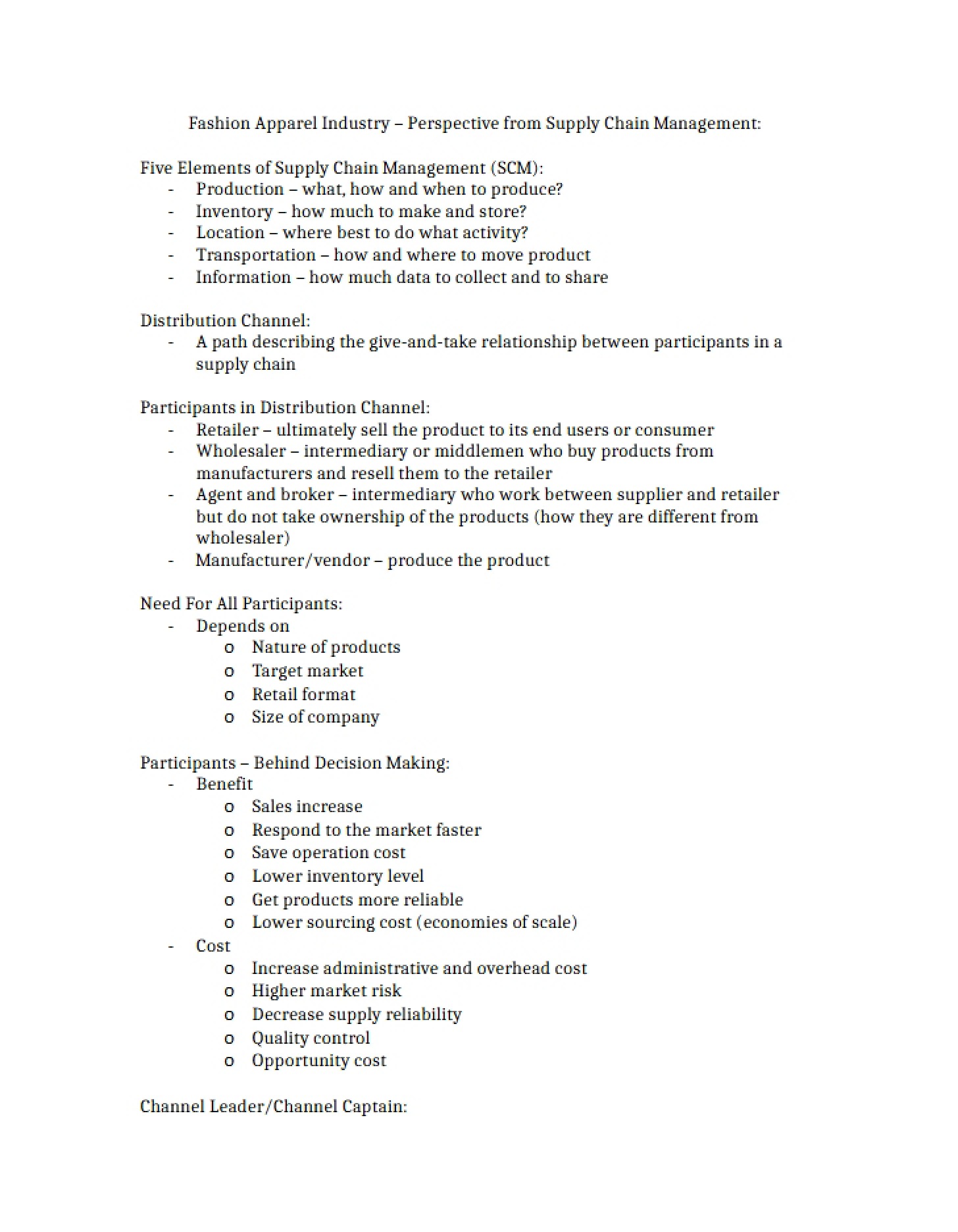
* An exploration of the key challenges faced by U.S. fashion firms related to production, inventory, location, transportation, and information flow.
* A breakdown of the forecasting capabilities essential for apparel businesses, including sales projections and assortment planning.
* A clear distinction between Supply Chain Management (SCM) and related fields like Logistics Management, Inventory Management, and Global Sourcing.
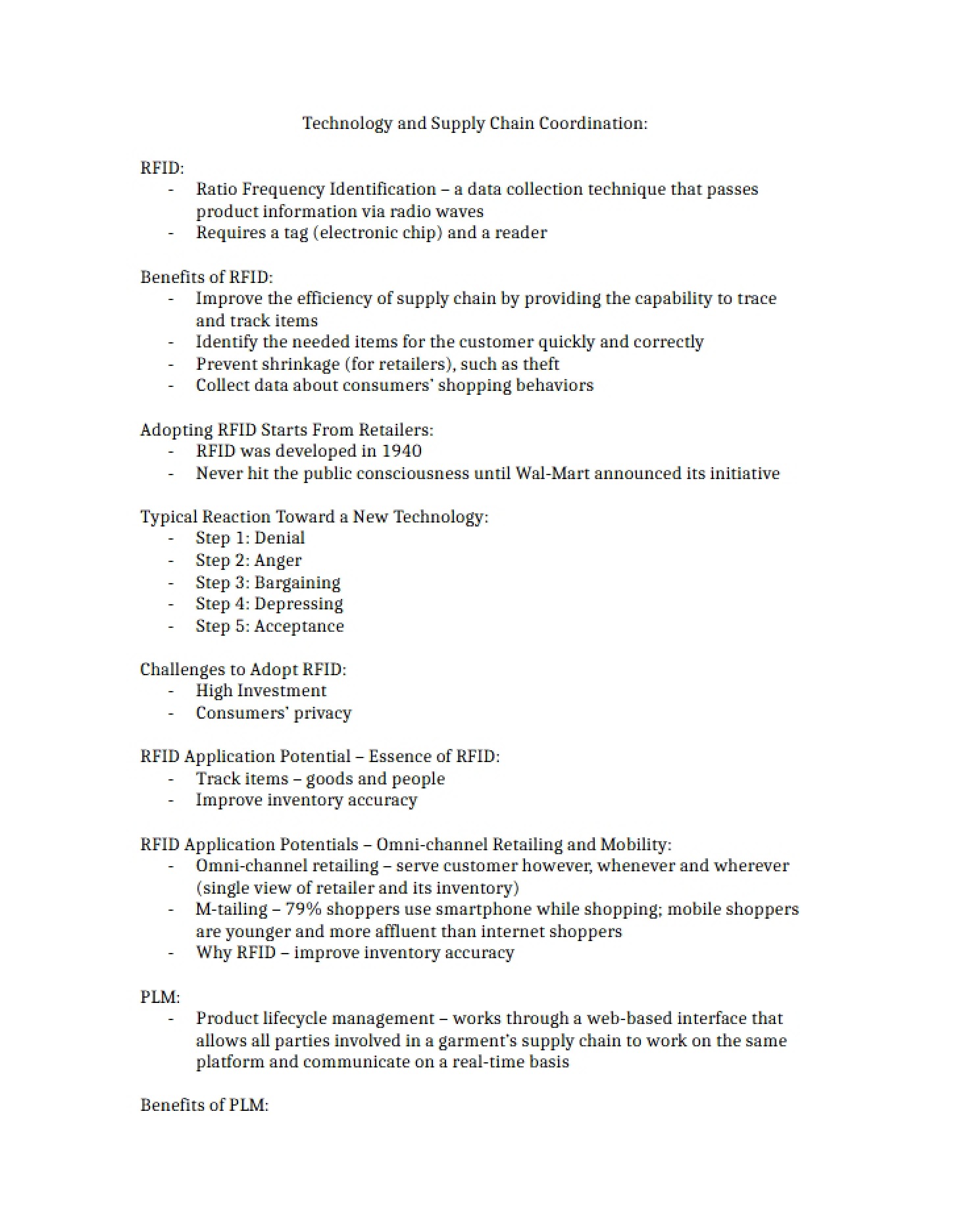
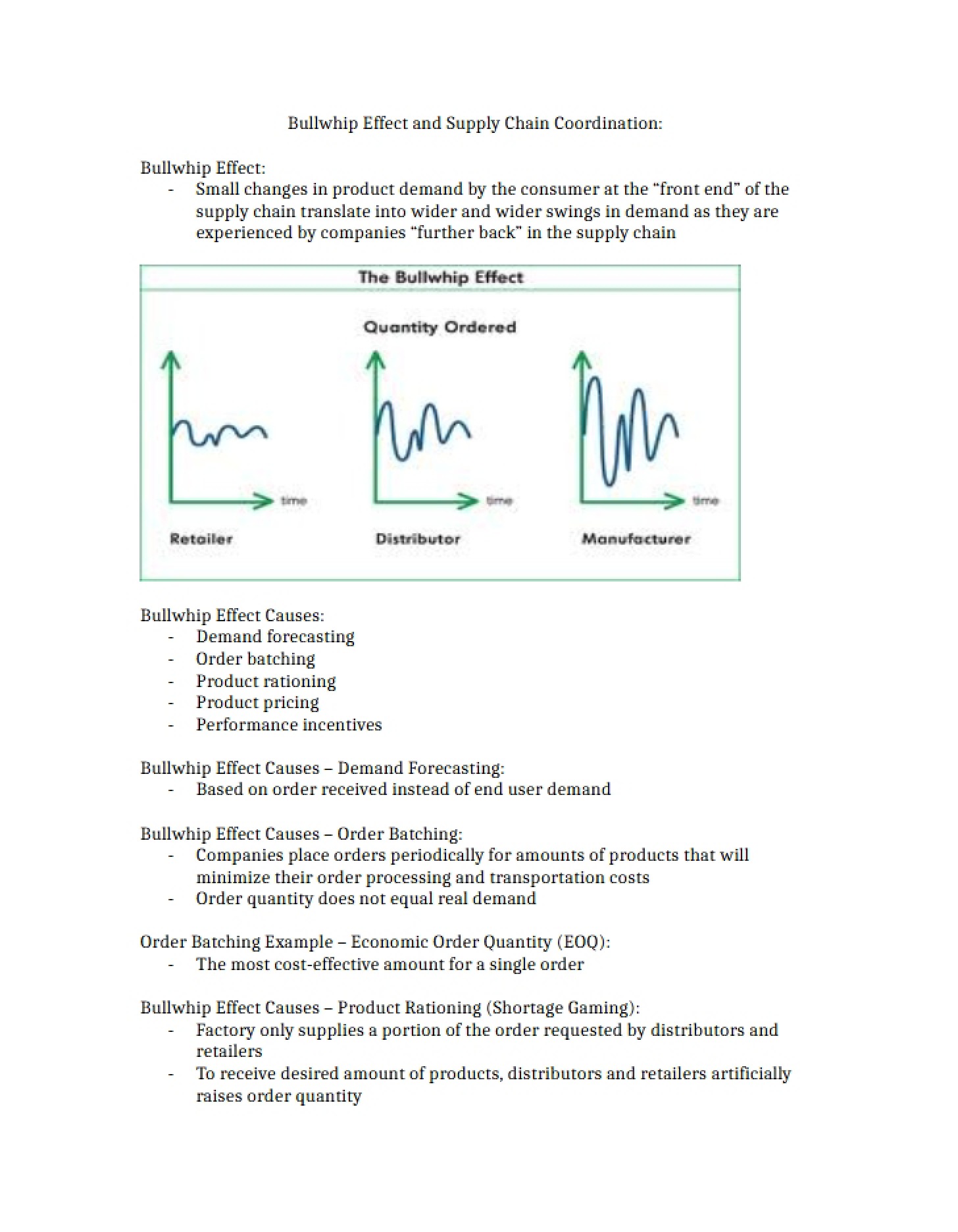
* An overview of the factors influencing effective Supply Chain Management, including supply chain design, resource allocation, and the impact of technology and consumer trends.
* A foundational understanding of the core goal of SCM: balancing responsiveness and efficiency to meet market demands.