What This Document Is
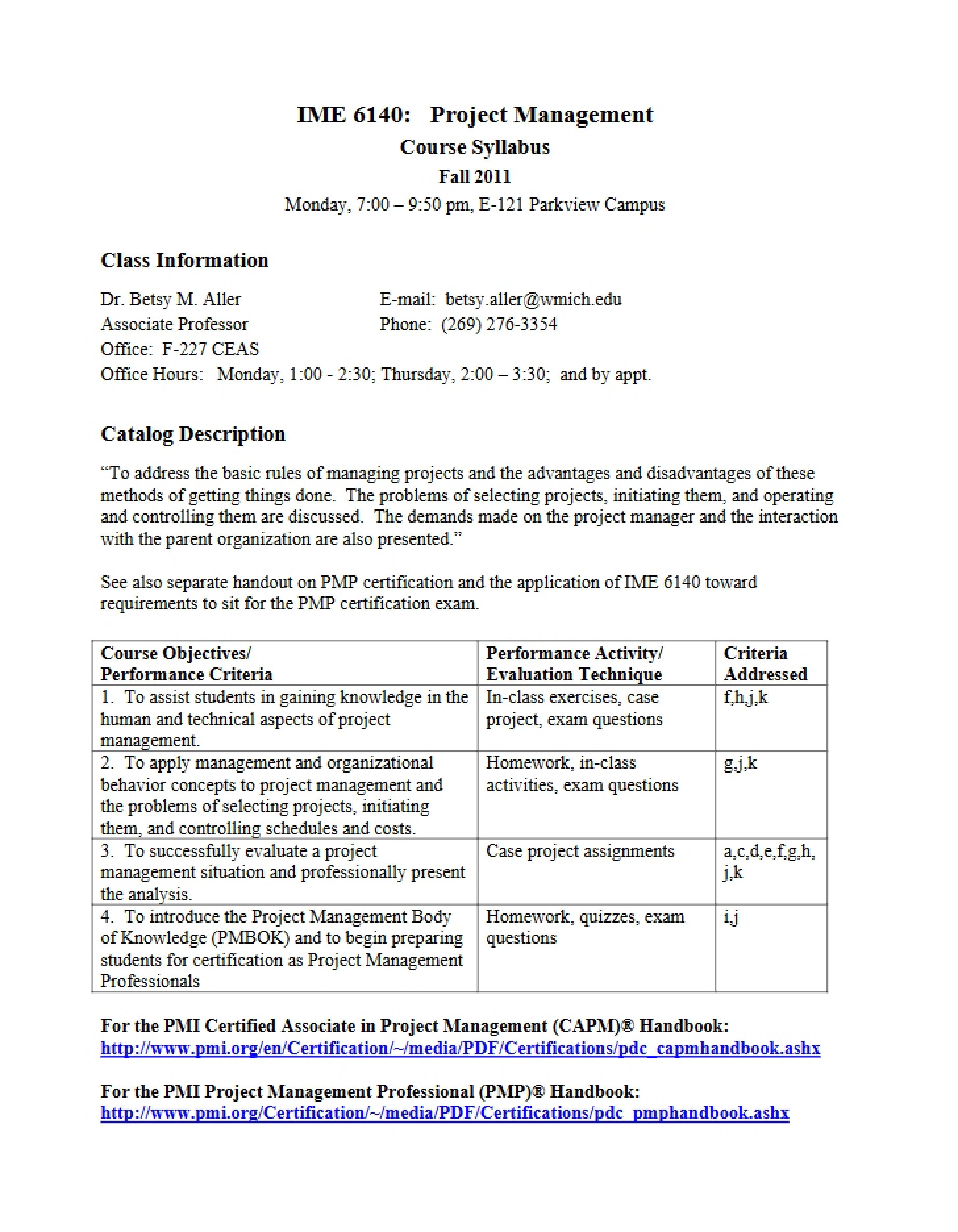
This document represents lecture material from IME 6140: Project Management at Western Michigan University, taught by Dr. Larry A. Mallak. It’s a comprehensive exploration of the principles and practices central to successfully initiating, planning, executing, and closing projects. The material appears to draw upon real-world case studies and examples to illustrate key concepts, moving beyond purely theoretical frameworks. It delves into the evolving landscape of project management, acknowledging the increasing complexities introduced by factors like globalization, technology, and risk.
Why This Document Matters
This resource is invaluable for students enrolled in advanced project management courses, particularly those seeking to connect academic theory with practical application. Professionals actively managing projects – or aspiring to do so – will also find it beneficial. It’s especially relevant for individuals facing projects with high stakes, tight deadlines, or operating within dynamic and uncertain environments. Understanding the concepts presented can improve decision-making, enhance team collaboration, and ultimately increase project success rates. It’s a strong foundation for PMP certification preparation, though it doesn’t function as a direct study guide.
Common Limitations or Challenges
This material is designed to supplement, not replace, core project management textbooks or formal training programs. It doesn’t offer step-by-step instructions for using specific project management software or methodologies. While case studies are referenced, the document doesn’t provide exhaustive analyses or detailed project plans. It’s a collection of lecture insights and observations, intended to stimulate critical thinking and discussion, rather than a fully self-contained instructional manual. Accessing the full content is required to gain a complete understanding of the concepts.
What This Document Provides
* Exploration of the increasing importance of project management in modern contexts.
* Discussion of contemporary trends impacting the field, such as risk management and new scheduling techniques.
* Consideration of the challenges presented by multicultural and global project teams.
* Insights into the value proposition of adopting a project-oriented approach within organizations.
* Examination of the relationship between project certainty and various organizational pursuits.
* Real-world examples used to illustrate project successes and failures.