What This Document Is
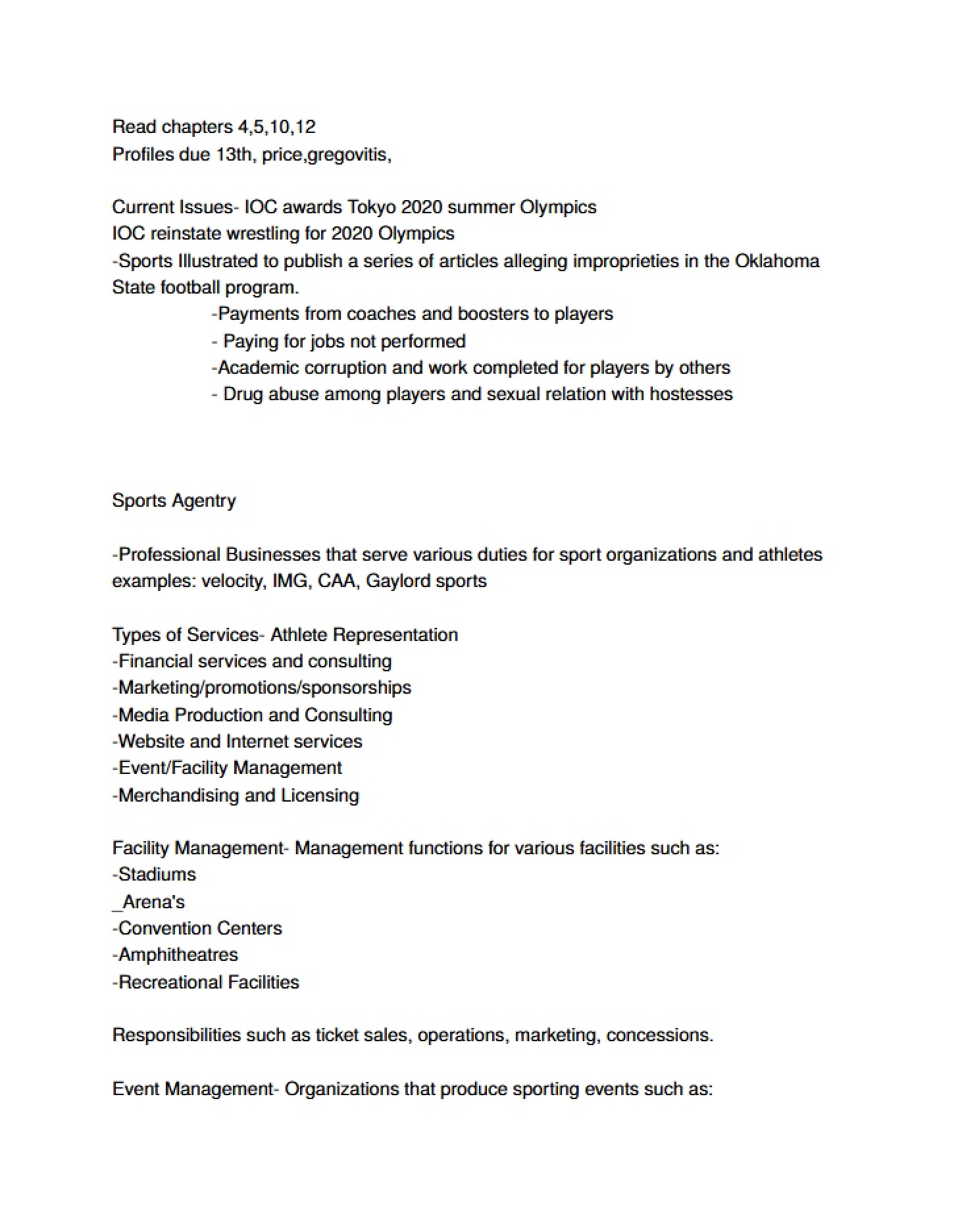
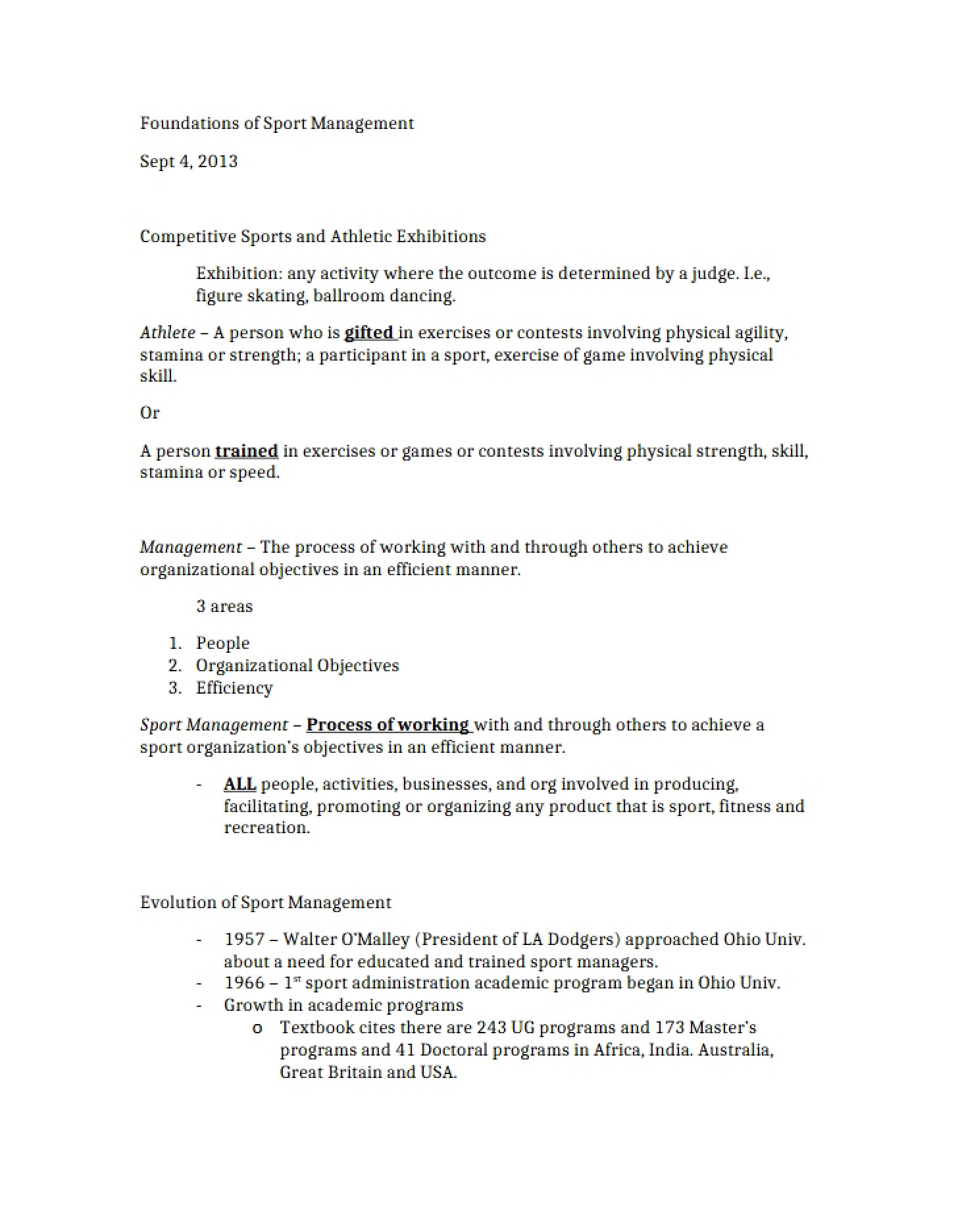
This study guide delves into the core principles of management and leadership specifically within the context of the sports industry. It’s designed for students seeking a foundational understanding of how organizations within sports – from professional teams to leagues and related businesses – are structured and operated. The material explores the interplay between traditional management practices and effective leadership styles, offering a comparative analysis relevant to the unique challenges and opportunities present in sports.
Why This Document Matters
This resource is particularly valuable for students enrolled in introductory sport management courses, or those preparing for roles involving team leadership, organizational oversight, or strategic planning within a sports-related organization. It’s best utilized as a companion to lectures and textbook readings, helping to solidify key concepts and provide a focused perspective on their practical application. Understanding these principles is crucial for anyone aspiring to a career navigating the complexities of the sports business world.
Topics Covered
* Hierarchical Structures in Sports Organizations (Top, Middle, and Lower Levels)
* Contrasting Approaches to Management: Scientific vs. Human Relations
* The Distinction Between Managers and Leaders – Roles, Characteristics & Approaches
* Transactional Leadership: Principles and Assumptions
* Transformational Leadership: Principles and Assumptions
* An Overview of Various Leadership Styles – Positive and Negative Examples
* The Importance of Effective Communication and Motivation in Sports Teams
What This Document Provides
* A comparative framework for understanding management and leadership.
* An exploration of different organizational structures commonly found in sports.
* Insight into the core assumptions underlying various leadership philosophies.
* A categorized overview of leadership styles, highlighting both effective and ineffective approaches.
* A foundational understanding of how motivational theories apply to the sports environment.