What This Document Is
This document provides a focused exploration of transaction management within the context of database systems. It’s designed as a core learning resource for students grappling with the complexities of ensuring data integrity and consistency in multi-user database environments. The material delves into the principles that underpin reliable database operations, moving beyond simple data storage and retrieval to address how changes are handled safely and effectively. It appears to be based on lecture notes from CMPS 180 - 01 at UC Santa Cruz, Fall 2001.
Why This Document Matters
This resource is invaluable for students in database systems courses, particularly those preparing for exams or working on projects involving data manipulation. It’s also beneficial for anyone seeking a deeper understanding of how real-world database applications – like airline reservation systems or financial transactions – maintain accuracy and prevent data corruption. Understanding these concepts is crucial for aspiring database administrators, software developers, and data analysts. Access to the full content will equip you with the foundational knowledge needed to design and implement robust database solutions.
Topics Covered
* Fundamental properties of database transactions (often summarized with an acronym)
* The concept of serializability and its importance in concurrent access
* Granularity of data items and its impact on locking strategies
* Locking mechanisms for controlling data access (read and write locks)
* Commit and abort processes for transaction completion
* SQL isolation levels and their effect on transaction visibility
* Potential issues arising from concurrent transactions and how to resolve them
What This Document Provides
* A structured overview of transaction management principles.
* Illustrative examples demonstrating potential problems in concurrent data access.
* Discussion of how to ensure data consistency during database operations.
* An exploration of the relationship between transactions and SQL commands like ROLLBACK.
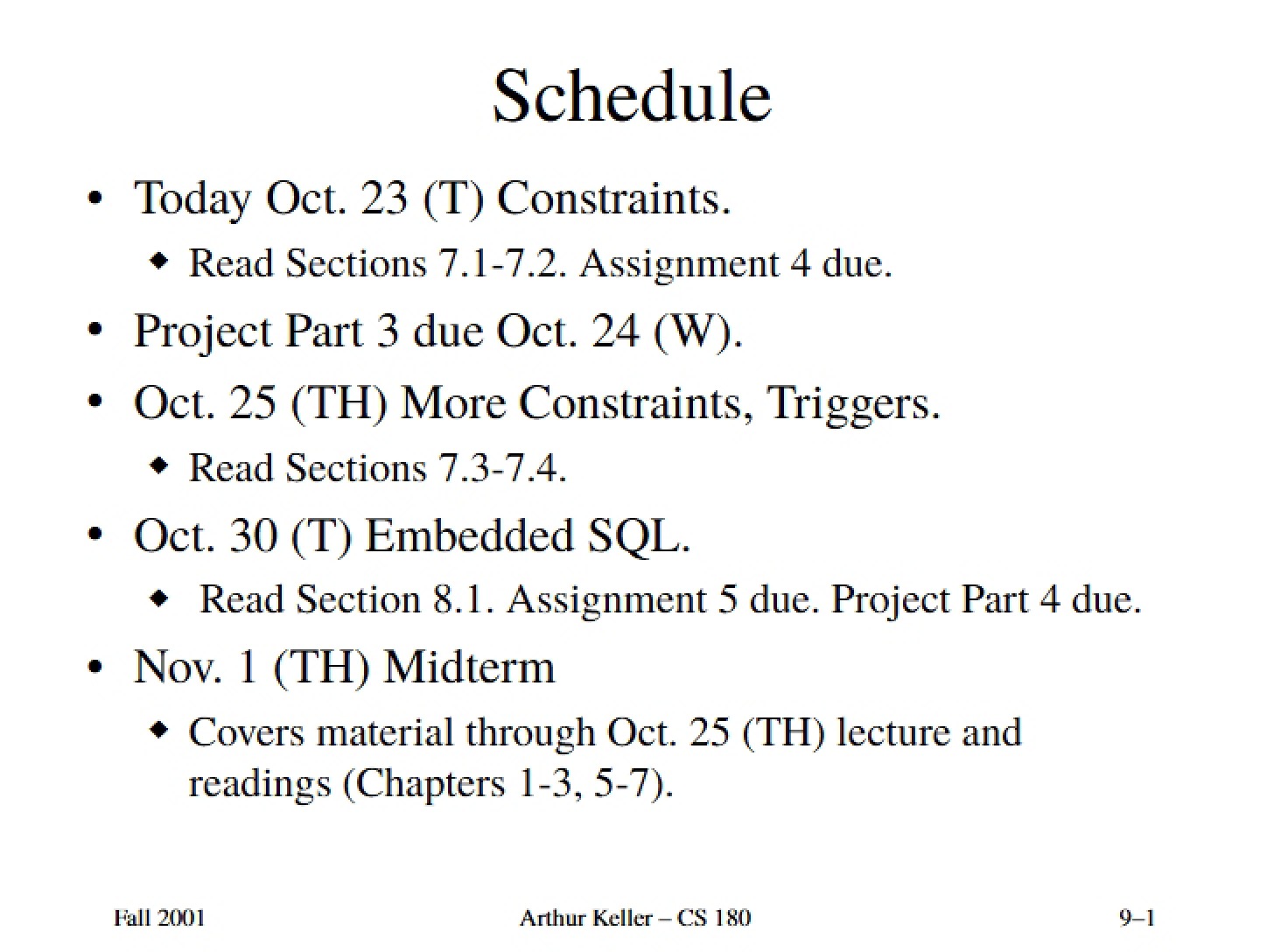
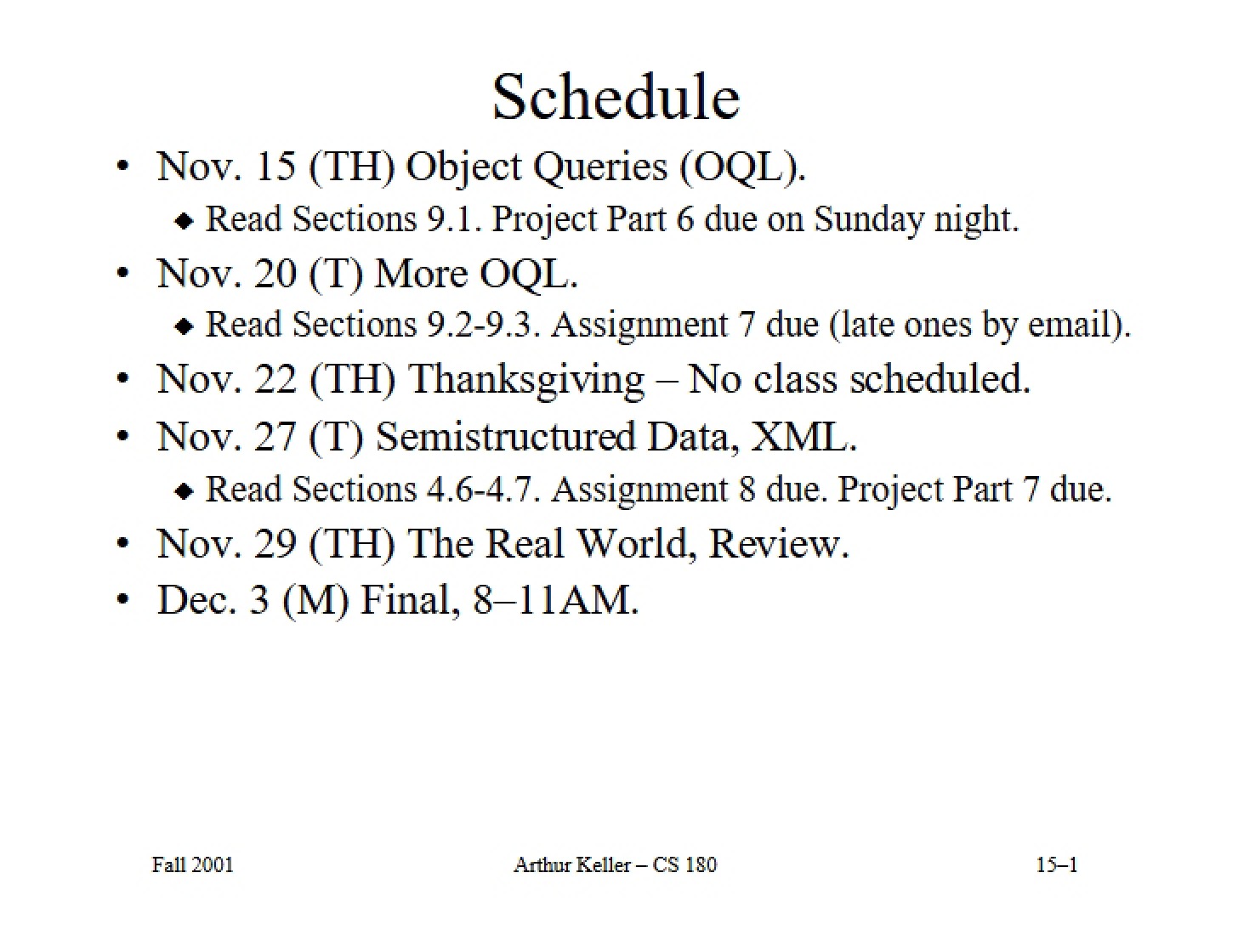
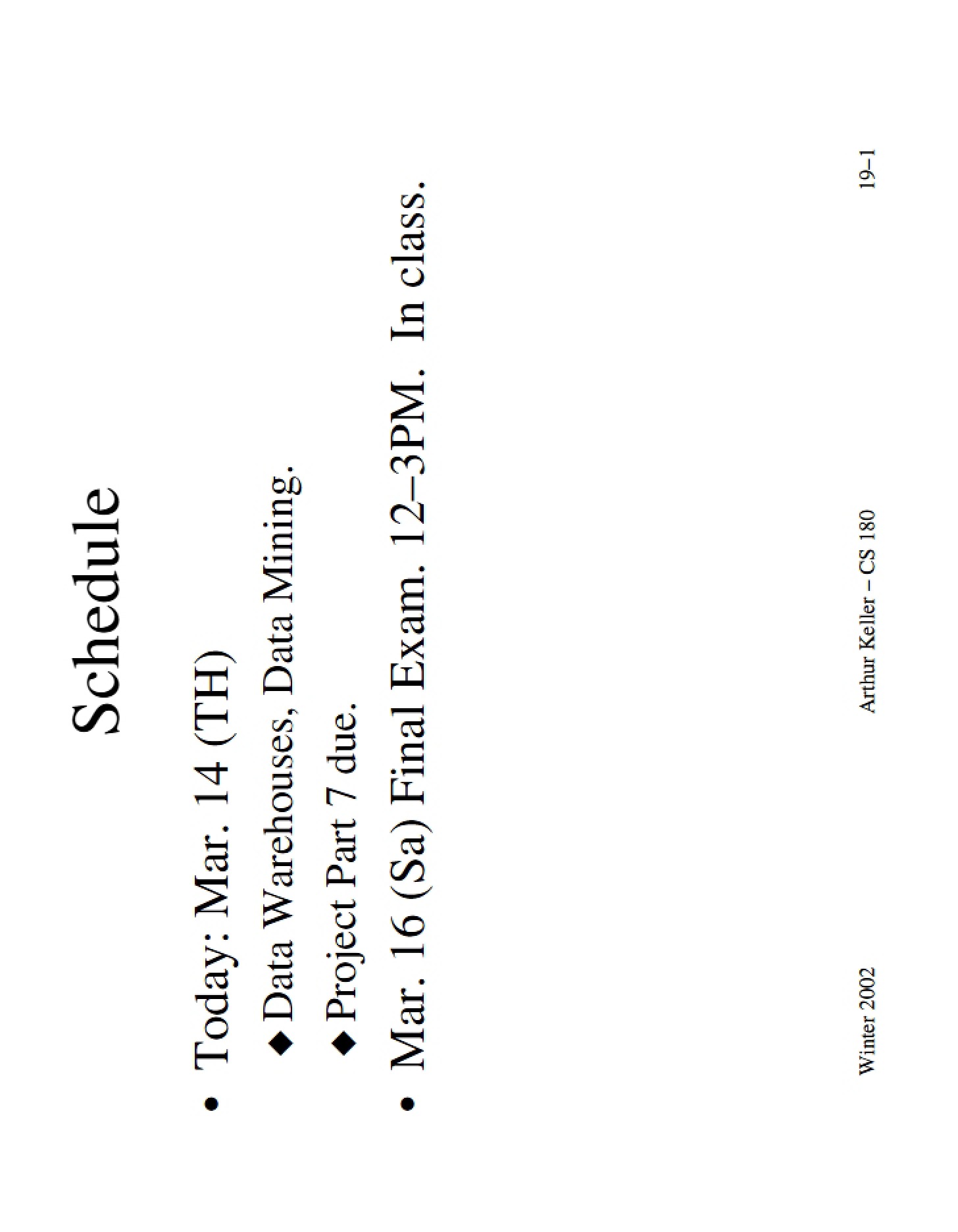
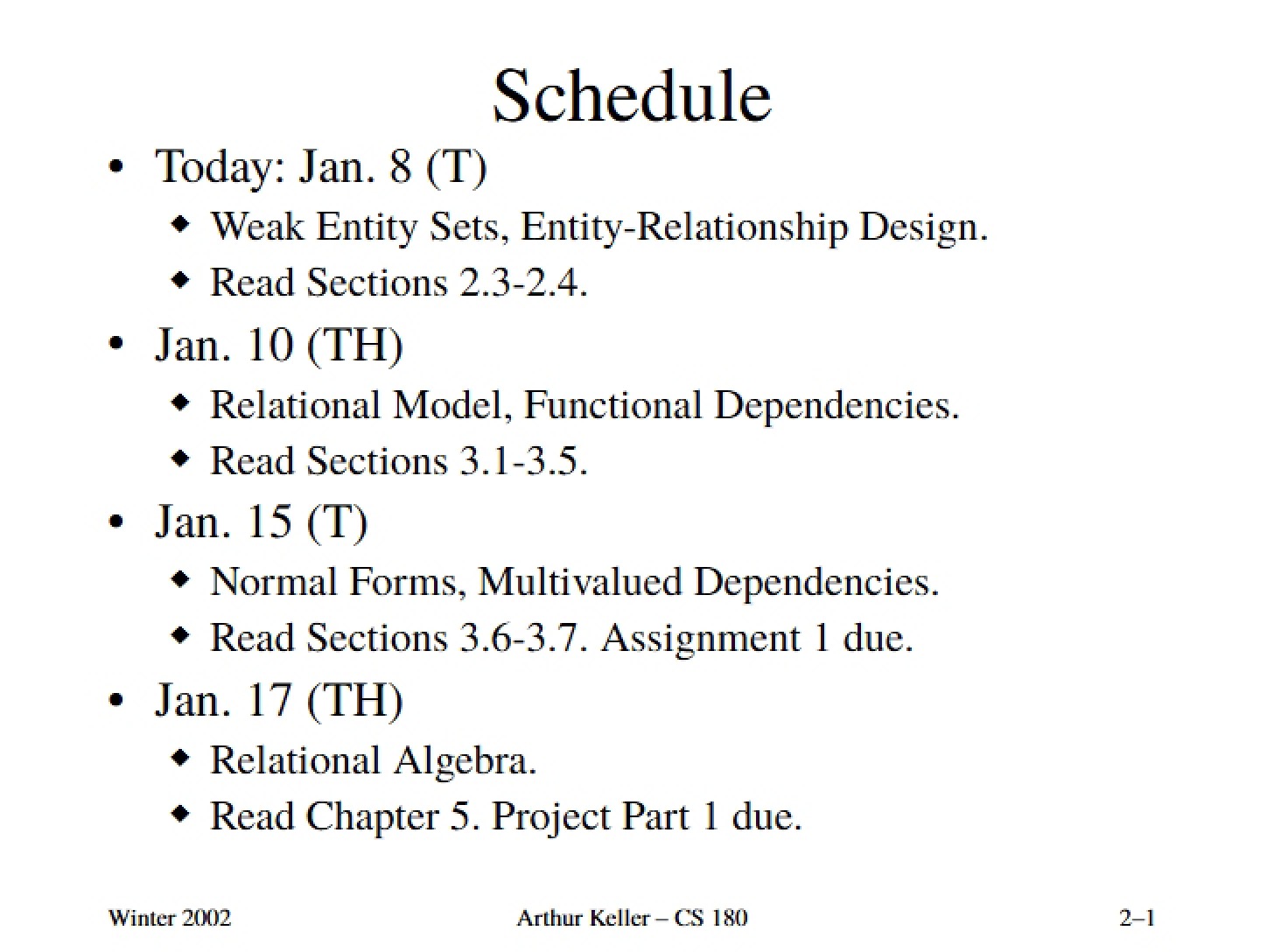
* A schedule outlining related course topics and assignments.
* References to specific sections within a larger textbook for further study.