What This Document Is
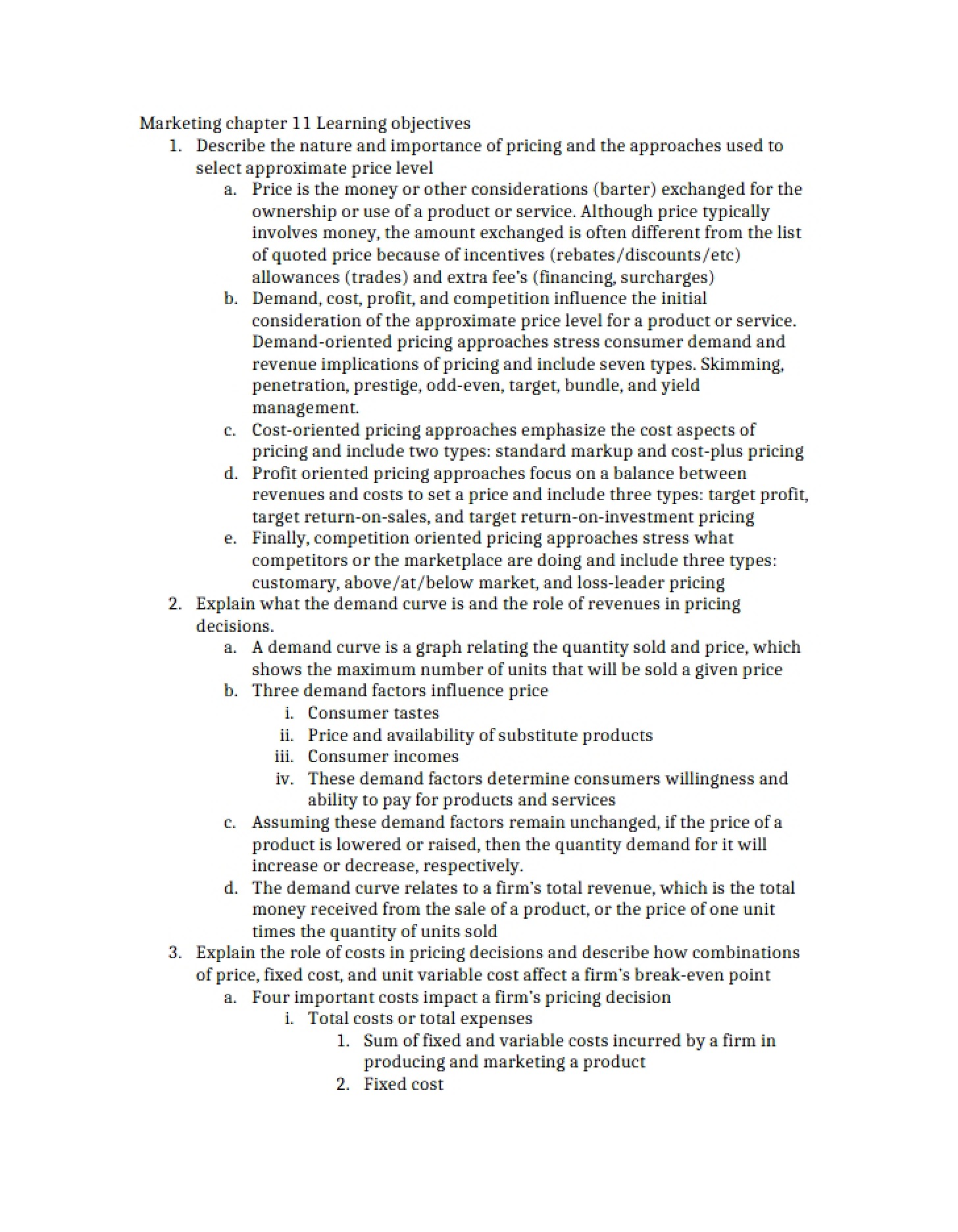
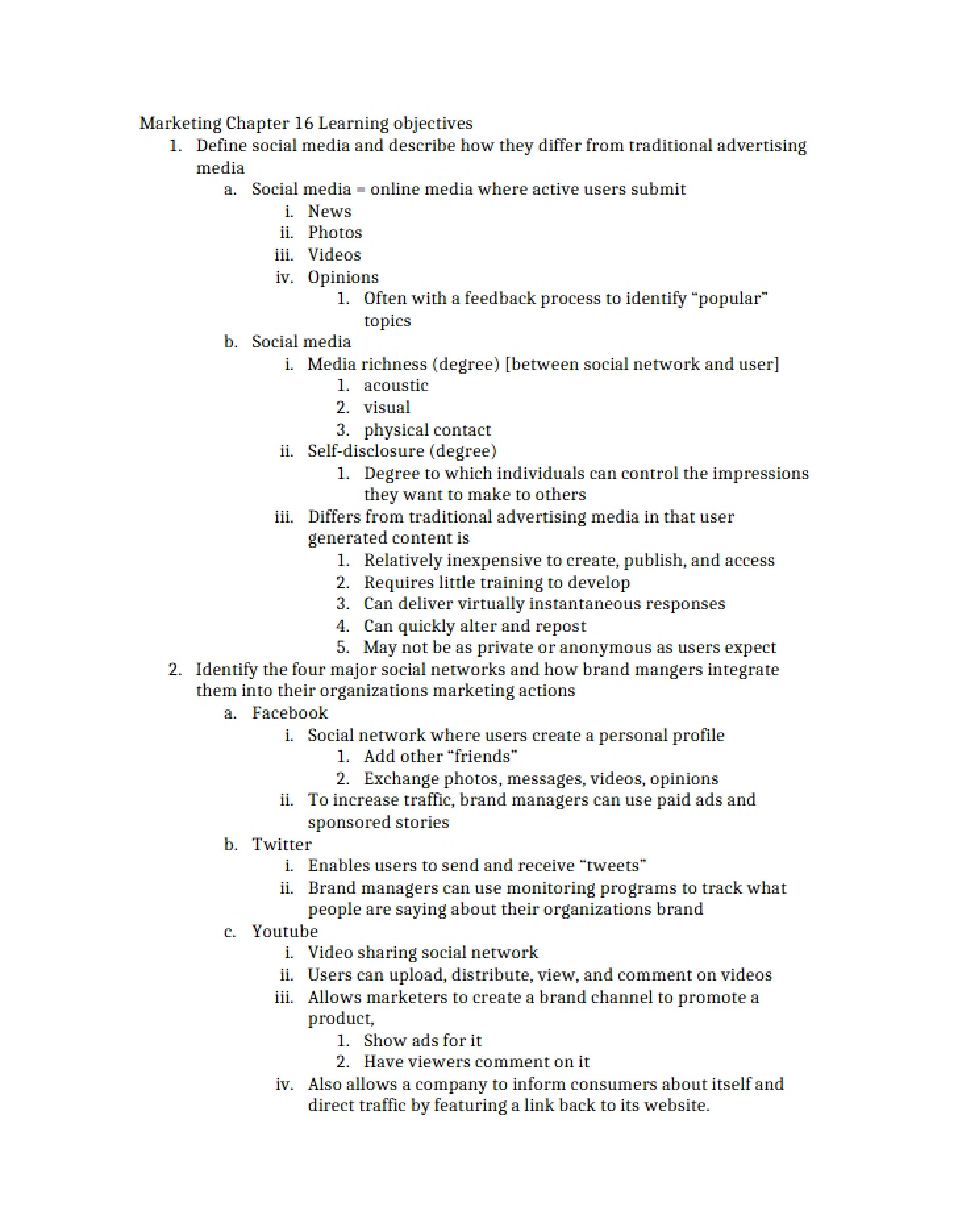
This study guide provides a focused overview of foundational concepts within Principles of Marketing (MKTG 3001) at the University of Minnesota Twin Cities. Specifically, it covers the core learning objectives from the first four chapters of the course material. It’s designed to help students grasp the overarching themes and key areas of focus for each chapter, setting a strong base for more in-depth study. The guide is structured around chapter-specific learning objectives, offering a roadmap to the essential topics covered in the course’s initial stages.
Why This Document Matters
This resource is ideal for students enrolled in MKTG 3001 who are looking to proactively understand the scope of each chapter *before* diving into detailed readings or lectures. It’s particularly useful for test preparation, identifying areas needing further attention, and solidifying comprehension of fundamental marketing principles. Students who utilize this guide will be better equipped to participate in class discussions and approach assignments with a clear understanding of the core concepts. It’s also a valuable tool for quickly reviewing material throughout the semester.
Common Limitations or Challenges
This study guide is intended as a high-level overview and does *not* contain the full text of the course material. It will not provide detailed explanations, real-world examples, case studies, or specific analytical frameworks presented in the course. It also does not include any practice questions or solutions. Access to the complete course content is required for a comprehensive understanding of the subject matter. This guide serves as a starting point, not a replacement for dedicated study.
What This Document Provides
* A clear outline of the learning objectives for each of the first four chapters.
* Categorization of key areas within marketing, including customer relationships and environmental influences.
* Identification of the core components of strategic marketing planning.
* An overview of the factors impacting consumer behavior.
* Insight into the different forces that shape the marketing landscape (social, economic, technological, regulatory).
* A framework for understanding the evolution of marketing eras and organizational strategy.