What This Document Is
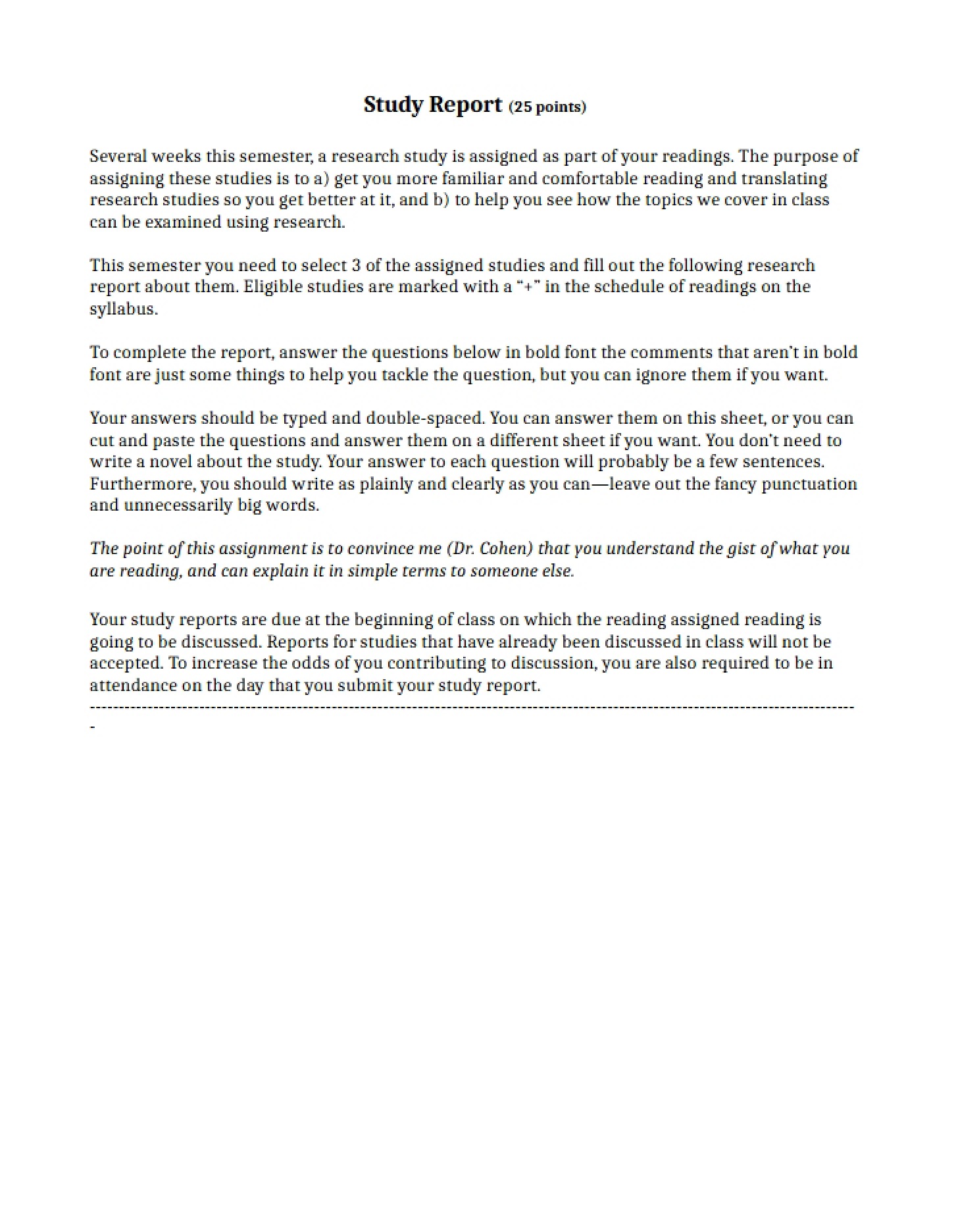
This is a midterm examination from a Political Communication course (COMM 493I) offered at West Virginia University, specifically focusing on the intersection of Media and Politics. It assesses student understanding of core concepts related to how media influences political thought and behavior. The exam focuses on applying theoretical frameworks to real-world events and demonstrating a comprehensive grasp of course readings.
Why This Document Matters
This resource is invaluable for students currently enrolled in, or preparing to take, upper-level political communication courses. It’s particularly helpful for those studying media effects, political polarization, and the role of news in shaping public opinion. Reviewing this exam structure and the types of questions asked will help you anticipate the level of critical thinking and analytical skills expected in the course, and prepare a focused study plan. It’s best utilized *after* completing the assigned readings and participating in class discussions, as a way to gauge your comprehension.
Common Limitations or Challenges
Please note that this document *does not* contain the answers to the exam questions. It is a preview of the exam itself, outlining the format, expectations, and broad topics covered. It will not provide specific examples, detailed explanations, or solutions to any of the posed questions. It’s designed to help you understand *how* to approach the exam, not to provide a shortcut to completing it.
What This Document Provides
* An overview of the exam’s structure (number of questions, student-level variations).
* Detailed guidelines regarding answer format, length, and the use of course materials.
* Specific instructions on citation expectations and grading criteria.
* A list of the core questions that will be addressed on the exam, focusing on topics like:
* Media effects (priming, framing, agenda-setting)
* Political polarization and selective exposure
* The relationship between media and entertainment in politics.
* Information regarding submission deadlines and late submission penalties.