What This Document Is
This study guide delves into the historical and potential medicinal applications of plant life found within the Mojave Desert ecosystem. It explores the intersection of traditional ecological knowledge, particularly that of Native American cultures, and contemporary research into natural remedies. The resource examines specific plant species and their purported uses, framing them within the broader context of alternative medicine practices and industry trends. It’s designed for students seeking a focused look at ethnobotany and the unique flora of an arid environment.
Why This Document Matters
This guide is particularly valuable for students in courses related to botany, environmental studies, anthropology, pharmacology, and alternative medicine. It’s ideal for those undertaking case studies of Southwestern ecosystems or researching the historical uses of plants for health and wellness. Individuals interested in the cultural significance of desert flora and the potential for natural product discovery will also find this a useful resource. It can serve as a strong foundation for research projects or in-depth class discussions.
Common Limitations or Challenges
This guide presents information regarding traditional and potential medicinal uses; it is *not* a substitute for professional medical advice. It does not provide detailed instructions for preparing or administering any herbal remedies, nor does it offer comprehensive pharmacological analyses. The information presented is for educational purposes only and should not be interpreted as an endorsement of any specific treatment. It’s crucial to remember that the efficacy and safety of herbal remedies can vary, and some plants can be harmful if misused.
What This Document Provides
* An overview of the alternative medicine landscape and its economic impact.
* Exploration of the rich botanical diversity of the Mojave Desert.
* Profiles of individual plant species traditionally used for medicinal purposes.
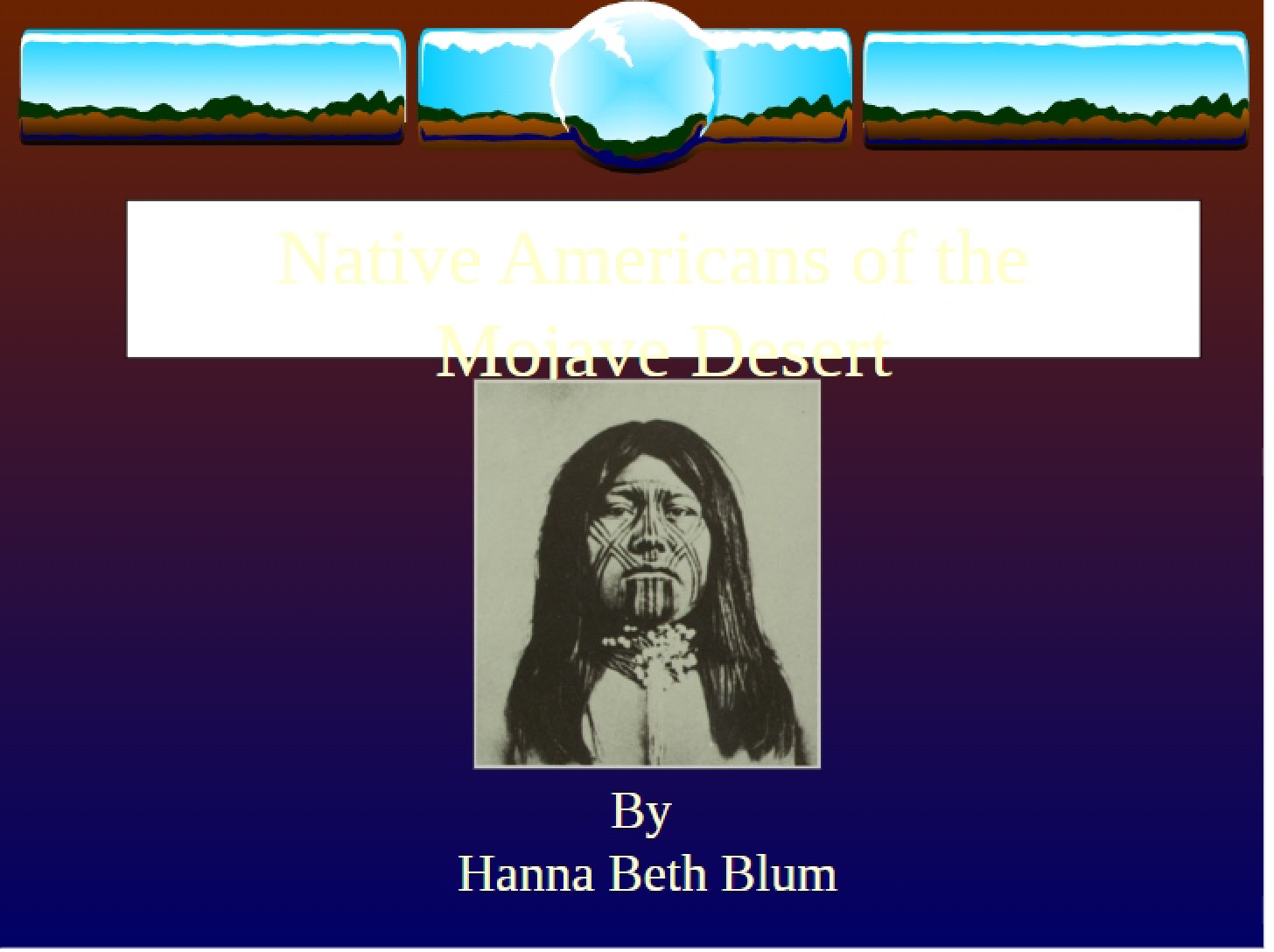
* Insights into the historical applications of these plants by Native American communities.
* References to external resources for further investigation.
* Discussion of potential risks and cautions associated with herbal remedies.