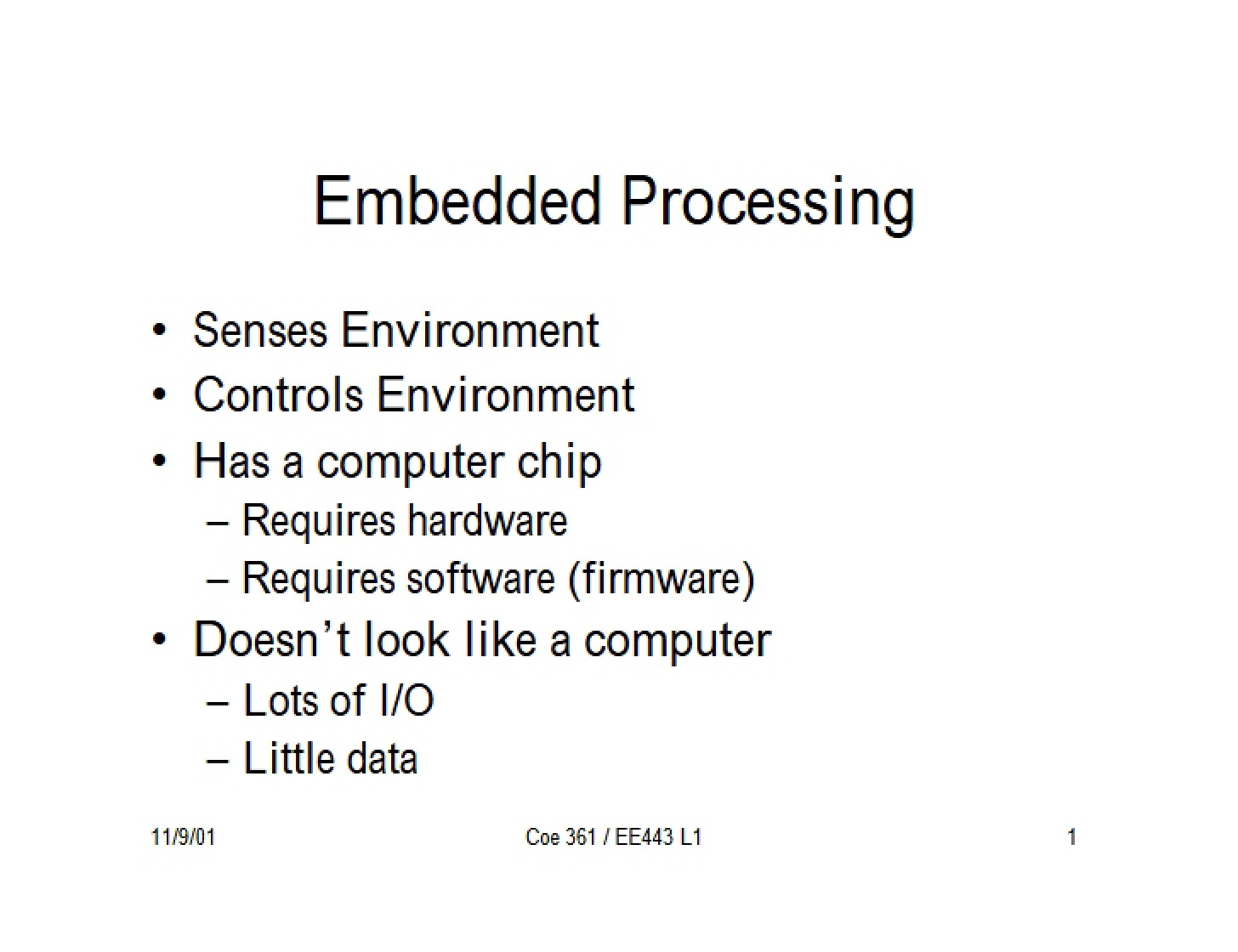
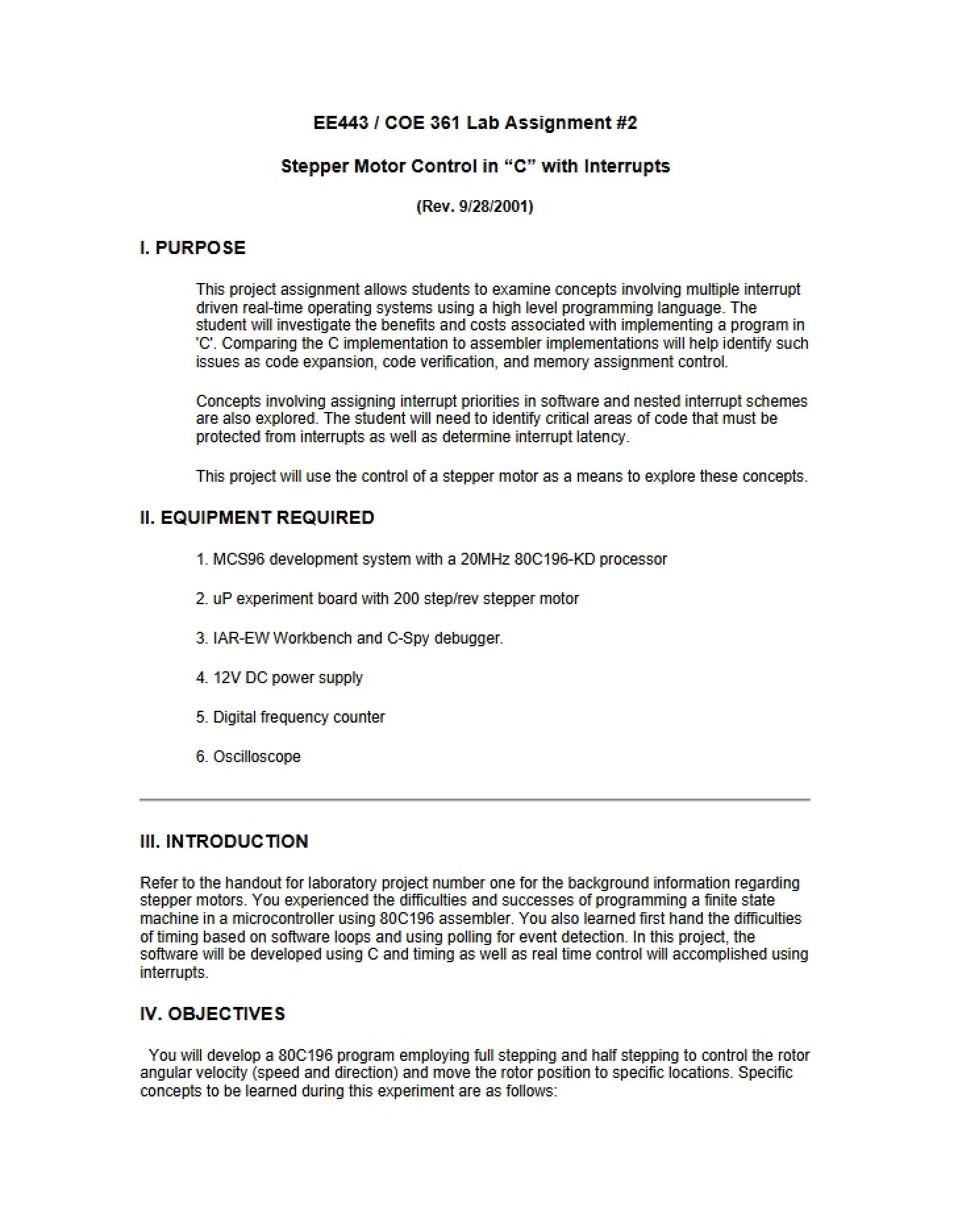
What This Document Is
This is a detailed resource focusing on the memory organization and architecture of the 80C196 microcontroller, a key component in distributed processing and control networks. It’s designed as a comprehensive guide to understanding how data is stored, accessed, and managed within this specific microcontroller. The material delves into the intricacies of the 80C196’s memory map, register file structure, and input/output (I/O) port configurations. It appears to be based on course materials from University of Idaho’s ECE 443 course.
Why This Document Matters
This resource is invaluable for students studying embedded systems, microcontroller applications, and distributed control networks. It’s particularly helpful for those working with the 80C196 in a practical setting, or preparing for coursework that requires a deep understanding of its internal workings. Engineers and hobbyists seeking to optimize performance or troubleshoot issues with 80C196-based systems will also find this a useful reference. Access to the full document will provide a solid foundation for designing and implementing efficient and reliable control systems.
Topics Covered
* 80C196 Memory Map – overall organization and address spaces
* Special-Purpose Memory – dedicated areas for system control and configuration
* Register File Architecture – detailed exploration of the register file structure
* Register File Windowing – techniques for efficient data access
* Input/Output (I/O) Port Configuration – understanding different port types and their characteristics
* Quasi-Bidirectional and Open-Drain Port Operation
* HSO (High-Speed Output) Port Programming – methods for utilizing the HSO port for advanced I/O operations
What This Document Provides
* Detailed diagrams illustrating the memory map and register file organization.
* Visual representations of different windowing configurations within the register file.
* Explanations of various I/O port functionalities and their associated characteristics.
* Information regarding the HSO port’s state and programming considerations.
* References to specific memory addresses and register locations (without revealing their function).
* Illustrations of pin configurations for input, output, and quasi-bidirectional ports.