What This Document Is
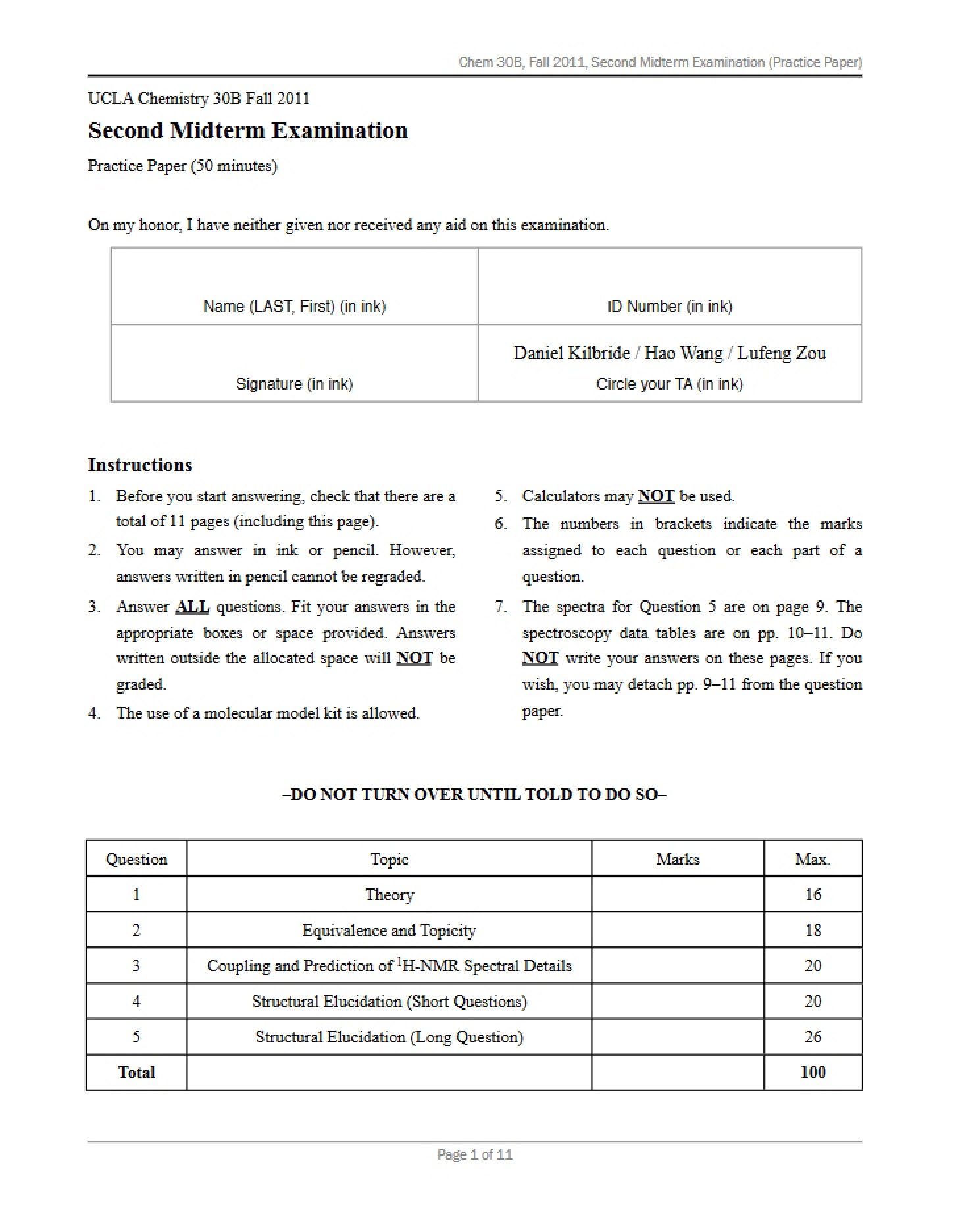
This document is a midterm examination for CHEM 30B, Organic Chemistry II, offered at the University of California, Los Angeles. It’s designed to assess student understanding of core principles related to reactivity, synthesis, and spectroscopic analysis of organic compounds – building directly on the concepts introduced in the first semester of Organic Chemistry. The exam is formatted for a 50-minute testing period and includes a mix of problem types requiring structural drawing and conceptual application.
Why This Document Matters
This resource is invaluable for students currently enrolled in, or preparing to take, a similar Organic Chemistry II course. It serves as an excellent self-assessment tool to gauge your preparedness for a formal examination setting. Working through practice problems, even without the provided solutions, helps reinforce learned concepts and identify areas needing further review. It’s particularly useful for honing skills in reaction mechanism prediction, retrosynthetic analysis, and spectroscopic interpretation. Accessing the full document with the answer key allows for a comprehensive evaluation of your understanding.
Topics Covered
* Organic Reaction Mechanisms (including rearrangements)
* Synthetic Organic Chemistry – multi-step synthesis design
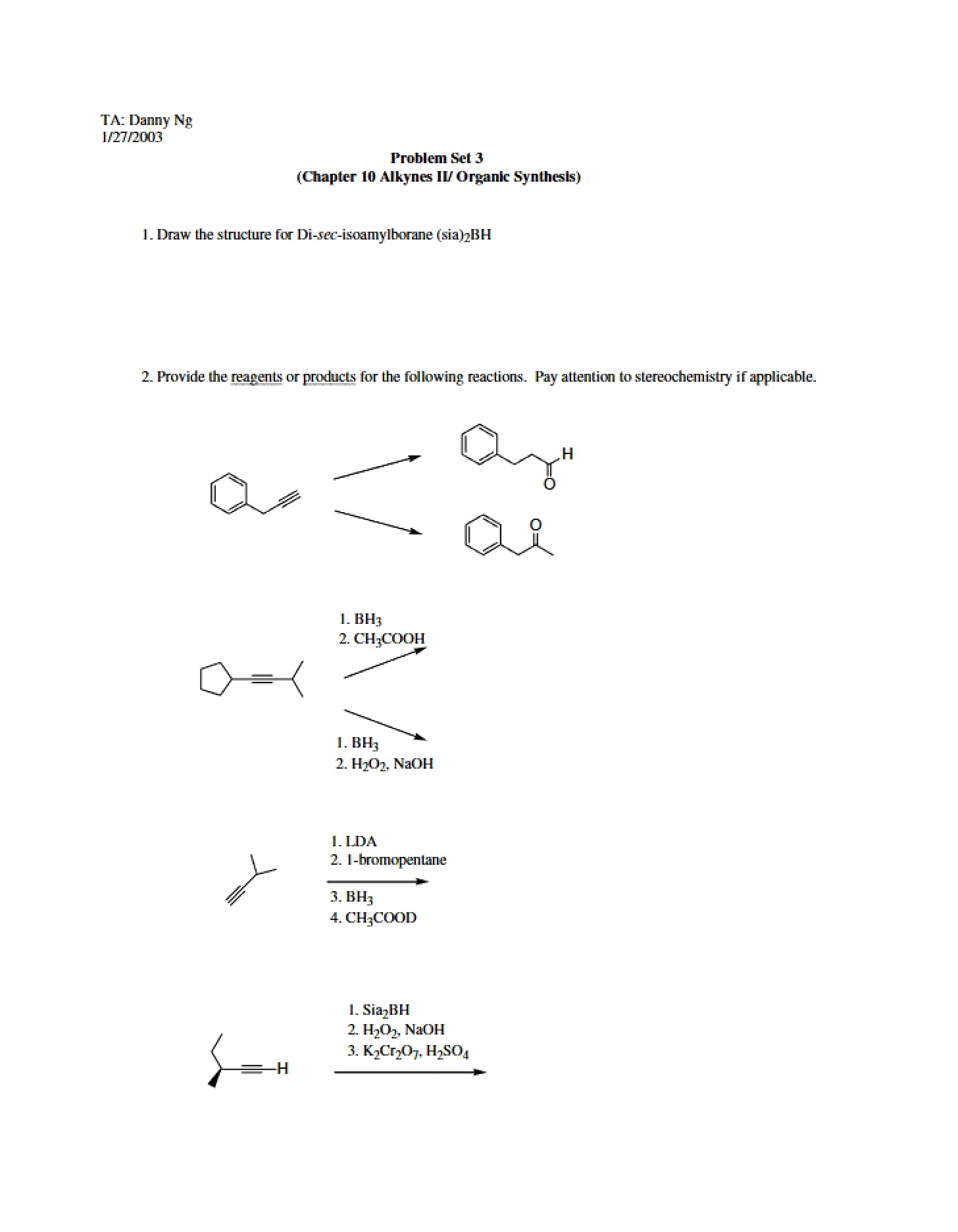
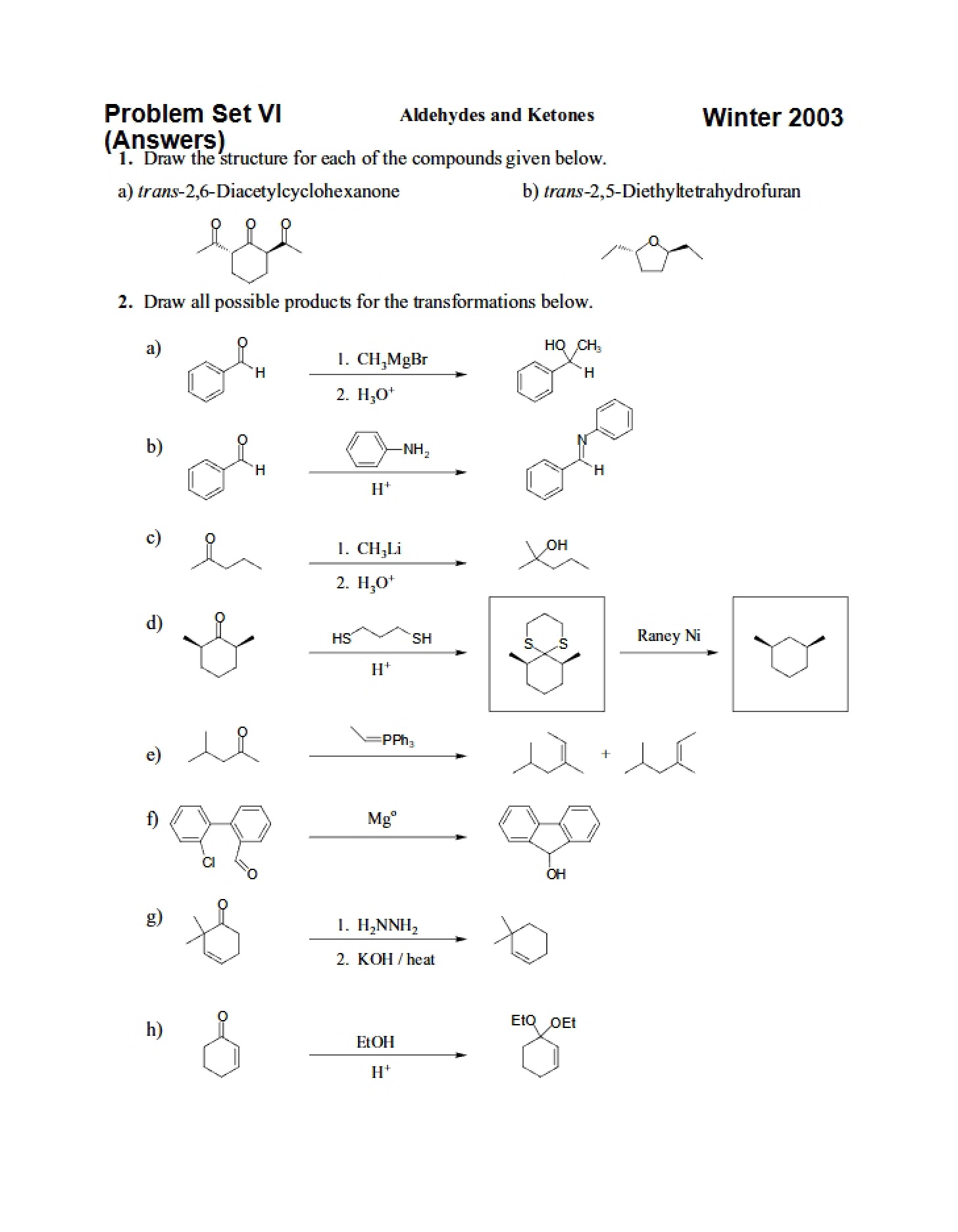
* Reactions involving alkenes, alkynes, and carbonyl compounds
* Stereochemistry and its impact on reaction outcomes
* Isotopic labeling and its application in reaction studies
* Application of specific reagents to achieve desired transformations
* Epoxidation and dihydroxylation reactions
* Hydrogenation and related reduction reactions
What This Document Provides
* A full-length midterm exam mirroring the format and difficulty level of a university-level Organic Chemistry II assessment.
* Problems requiring the drawing of organic structures, including stereochemical details.
* Synthetic schemes where students are prompted to fill in reactants and intermediate structures.
* Questions focused on deuterium labeling and its implications in reaction pathways.
* A section dedicated to proposing reaction mechanisms for given transformations.
* Problems assessing understanding of stereochemical outcomes (racemic vs. meso vs. single enantiomer).
* A challenging synthesis problem requiring a multi-step approach starting from a simple precursor.