What This Document Is
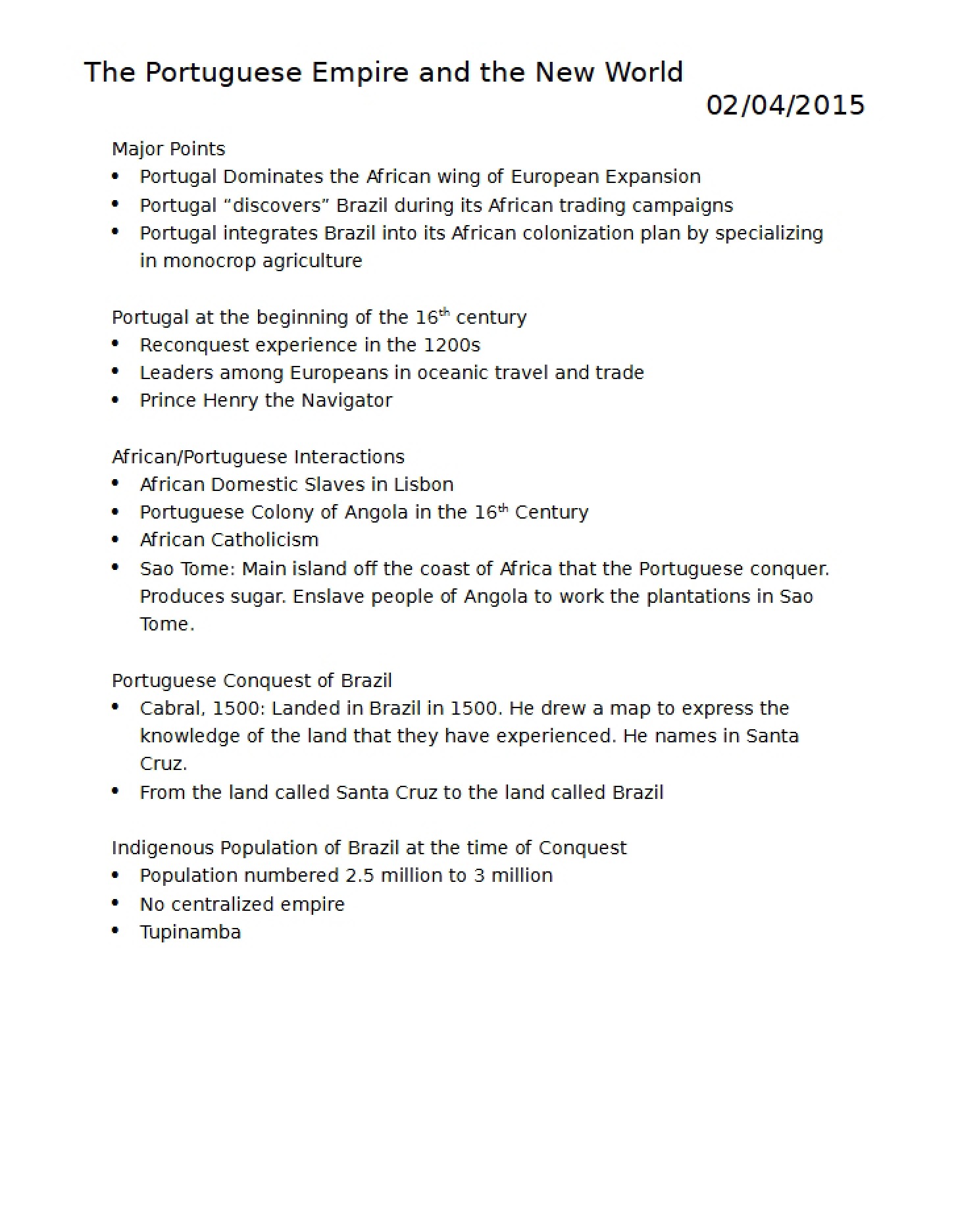
This is a comprehensive study guide designed to help students prepare for the midterm examination in History 109: Latin American Culture at the University of South Carolina. It focuses on the major themes, events, and concepts covered in the first half of the course, offering a structured overview of key topics essential for successful exam performance. The guide synthesizes information relating to the historical development of Latin America, from pre-colonial civilizations through the 19th century.
Why This Document Matters
This resource is invaluable for any student enrolled in HIST 109 looking to solidify their understanding of complex historical processes. It’s particularly useful as you approach the midterm, providing a focused framework for review and identifying areas where further study may be needed. Students who utilize this guide will be better equipped to analyze historical trends, understand the interplay of various factors shaping Latin American societies, and demonstrate a strong grasp of the course’s core arguments. It’s best used in conjunction with your class notes and assigned readings.
Common Limitations or Challenges
This study guide is intended as a *supplement* to your coursework, not a replacement for it. It does not contain the full lectures, readings, or detailed analyses presented in class. It will not provide direct answers to potential exam questions, nor does it offer a comprehensive recounting of every event discussed. The guide highlights key areas of focus, but assumes a foundational understanding of the material already covered in the course.
What This Document Provides
* An overview of the impact of geographical factors on the development of Latin American societies.
* Key characteristics of pre-colonial civilizations, including the Inca Empire.
* An examination of the processes of conquest and colonization.
* Discussion of colonial social structures and hierarchies.
* Analysis of the role of the Catholic Church in colonial Latin America.
* Exploration of economic systems, such as the sugar industry and the *encomienda* system.
* Insight into 19th-century political ideologies, including liberalism and conservatism.
* Examination of the rise of *caudillos* and independence movements.
* Consideration of the lasting colonial legacy and its impact on modern Latin America.