What This Document Is
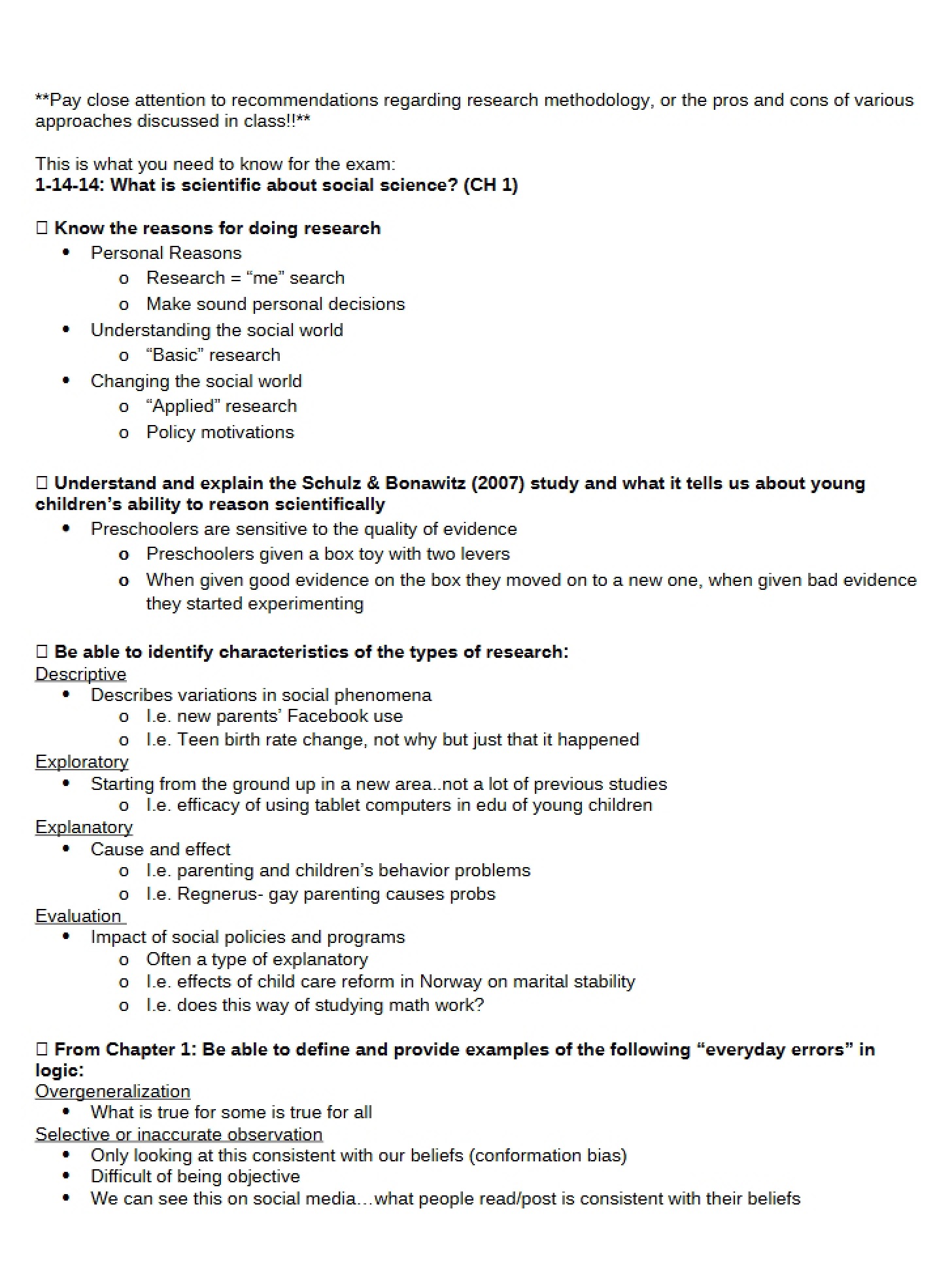
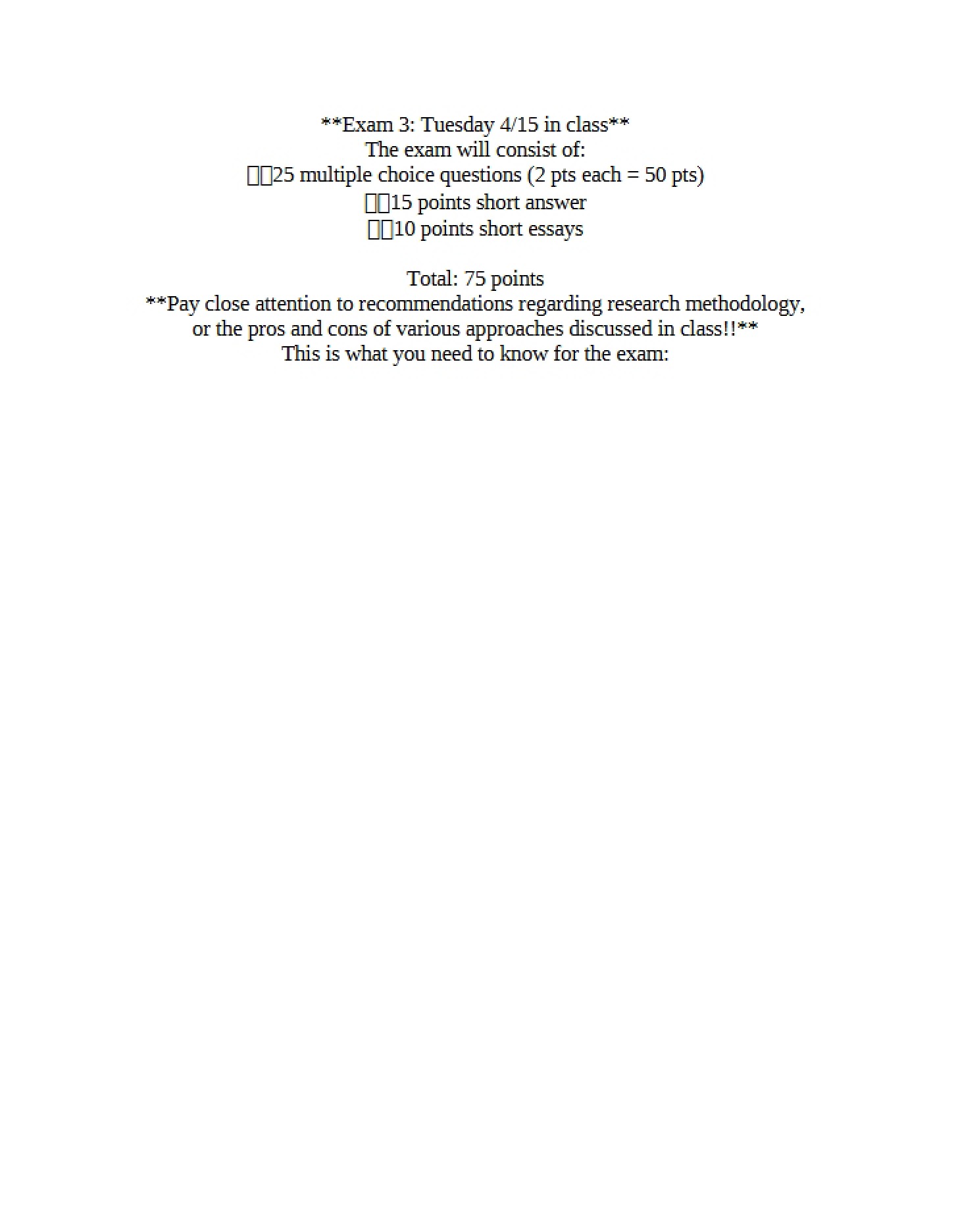
This document is a preparation resource for Midterm II in HDFS 2900: Methods in Human Ecology Research at The Ohio State University. It outlines the scope of the exam and highlights key areas of focus from course lectures and materials. This isn’t the exam itself, but a guide to understanding the types of knowledge assessed on the midterm.
Why This Document Matters
This resource is invaluable for students enrolled in HDFS 2900 who are looking to effectively prepare for their second midterm examination. It’s best utilized during the study period leading up to the exam date, allowing students to prioritize their review and concentrate on the most heavily emphasized concepts. Understanding the exam’s structure and content focus will help you maximize your study time and approach the assessment with confidence.
Topics Covered
* Methods for assessing daily life experiences
* Experience Sampling Methods (ESM) – definitions and variations
* Advantages and disadvantages of Experience Sampling Methods
* Potential biases and challenges associated with ESM, including reactivity
* Day Reconstruction Method – principles and comparison to ESM
* Research methodology recommendations discussed in class
* The role of situations in individual functioning and how to study them
What This Document Provides
* A clear breakdown of the exam’s format, including the number and types of questions.
* Guidance on the core concepts related to research methodologies covered in the course.
* Emphasis on areas where a strong understanding of pros and cons of different approaches is crucial.
* Highlights of specific research techniques and their applications in the field of human ecology.
* An overview of key considerations when selecting and implementing different research methods.