What This Document Is
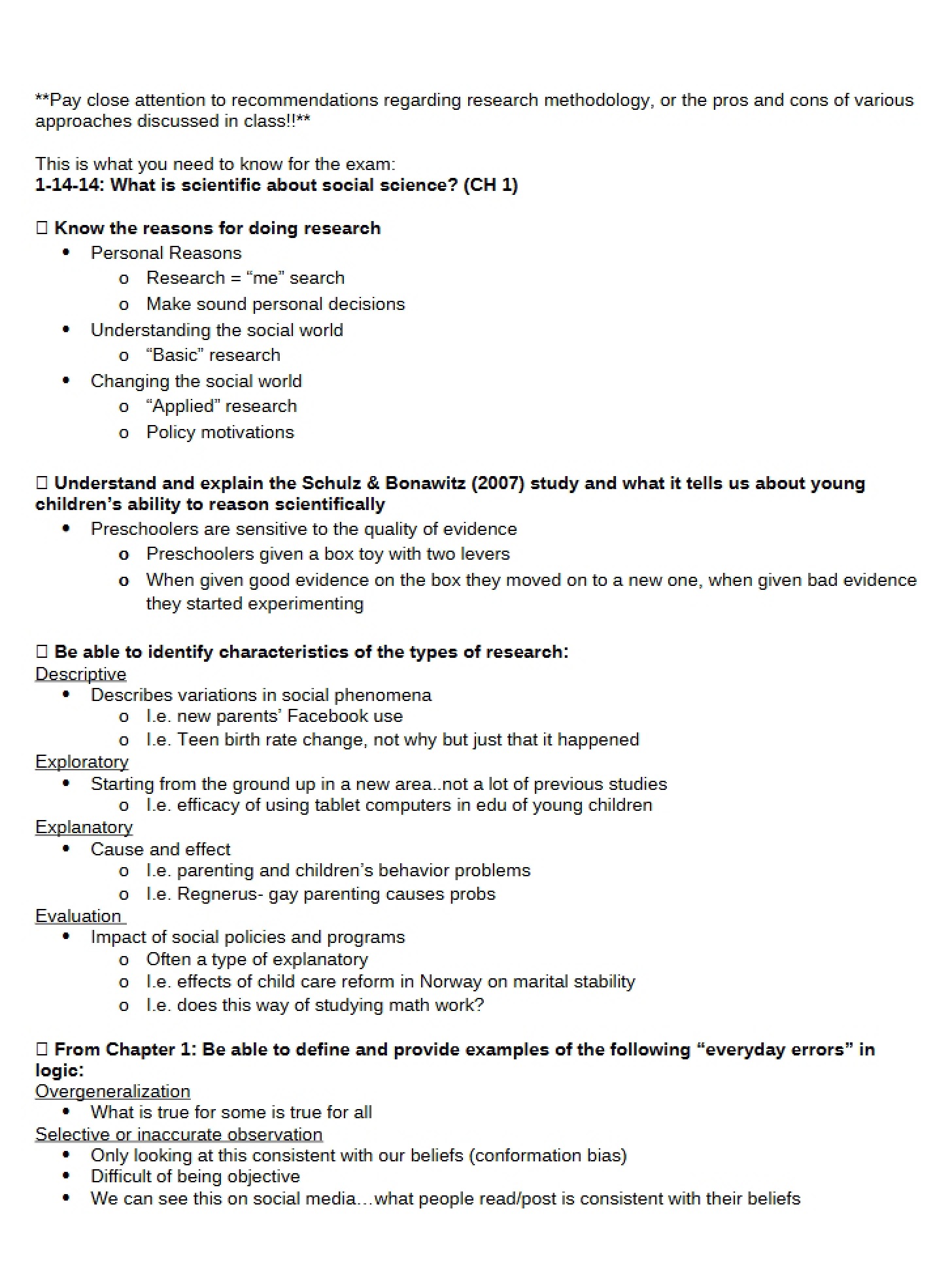
This document is a preparation resource for Midterm III in HDFS 2900: Methods in Human Ecology Research at The Ohio State University. It outlines the scope of the exam and details the specific areas of focus from course lectures and materials. This isn’t the exam itself, but a guide to help you concentrate your study efforts.
Why This Document Matters
This resource is invaluable for students enrolled in HDFS 2900 who are looking to effectively prepare for a significant assessment of their understanding of research methodologies. It’s best utilized in the days leading up to the exam as a checklist to ensure comprehensive review. Students who carefully review this outline will have a clearer understanding of the concepts emphasized by the instructor and can prioritize their studying accordingly.
Topics Covered
* Establishing causal relationships in research
* Experimental design principles and components
* Differences between key research concepts (e.g., random assignment vs. random sampling)
* Challenges and potential issues within experimental studies
* Quasi-experimental designs and their applications
* Threats to the validity of research findings
* Process analysis and fidelity checks in research implementation
* Evaluating the strengths and weaknesses of different research approaches
What This Document Provides
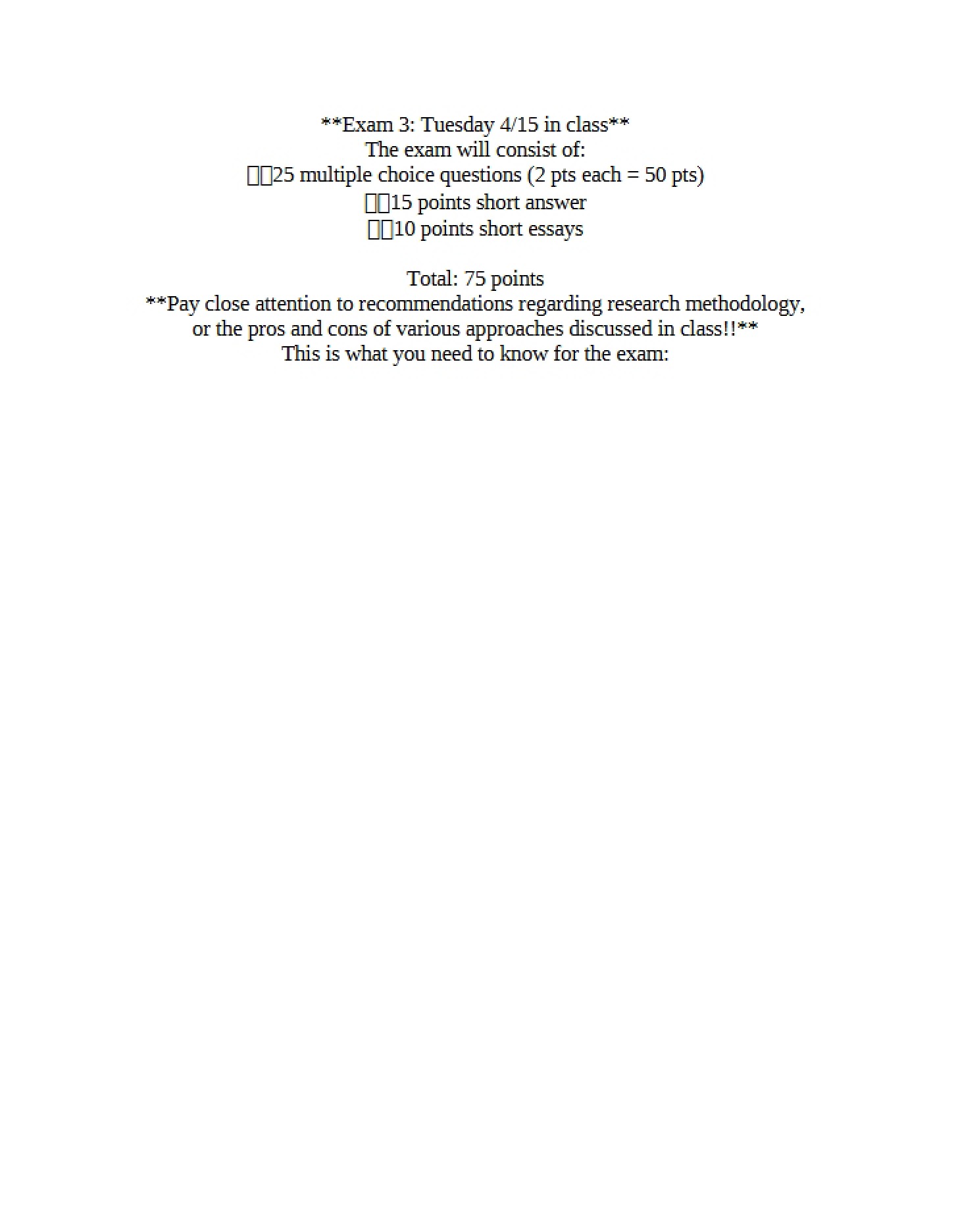
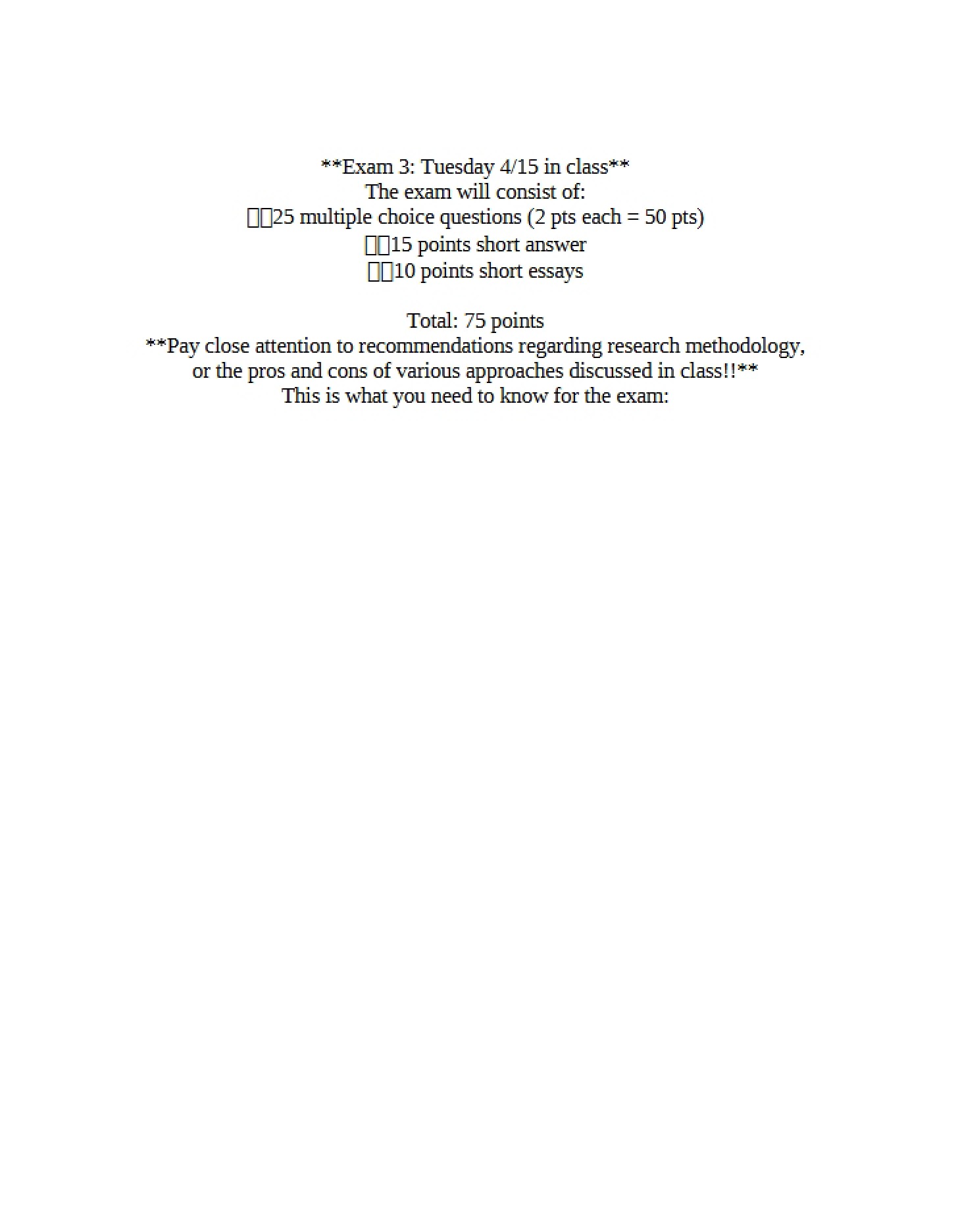
* A clear breakdown of the exam’s format, including question types and point values.
* A focused list of concepts related to causation and experimental design that will be assessed.
* An overview of various research designs, including true experiments and quasi-experimental alternatives.
* Identification of potential pitfalls and limitations associated with different research methodologies.
* A framework for understanding factors that can impact the accuracy and reliability of research results.