What This Document Is
This resource offers a foundational overview of the MIPS (Microprocessor without Interlocked Pipeline Stages) architecture, a reduced instruction set computer (RISC) widely used in computer science education and embedded systems. It serves as a crucial starting point for understanding the hardware-software interface, a core concept in computer architecture. The material presents a high-level view of how instructions are structured and processed within a MIPS-based system. It includes visual representations of key components and their interconnections.
Why This Document Matters
Students enrolled in a Computer Architecture course, particularly those focusing on the hardware-software interface, will find this overview exceptionally valuable. It’s ideal for those beginning their study of assembly language programming and computer organization. This material is best utilized *before* diving into detailed implementation specifics or complex pipelining concepts, providing a necessary conceptual framework. Understanding MIPS architecture is a stepping stone to grasping more advanced architectures and processor designs.
Topics Covered
* Fundamental principles of the MIPS instruction set
* The role of the Program Counter and Instruction Register
* Data flow within a basic MIPS system
* Different instruction formats (Register, Immediate, Jump)
* The organization of the Register File
* Overview of data memory and caching concepts
* Introduction to the broader context of pipelined implementations
What This Document Provides
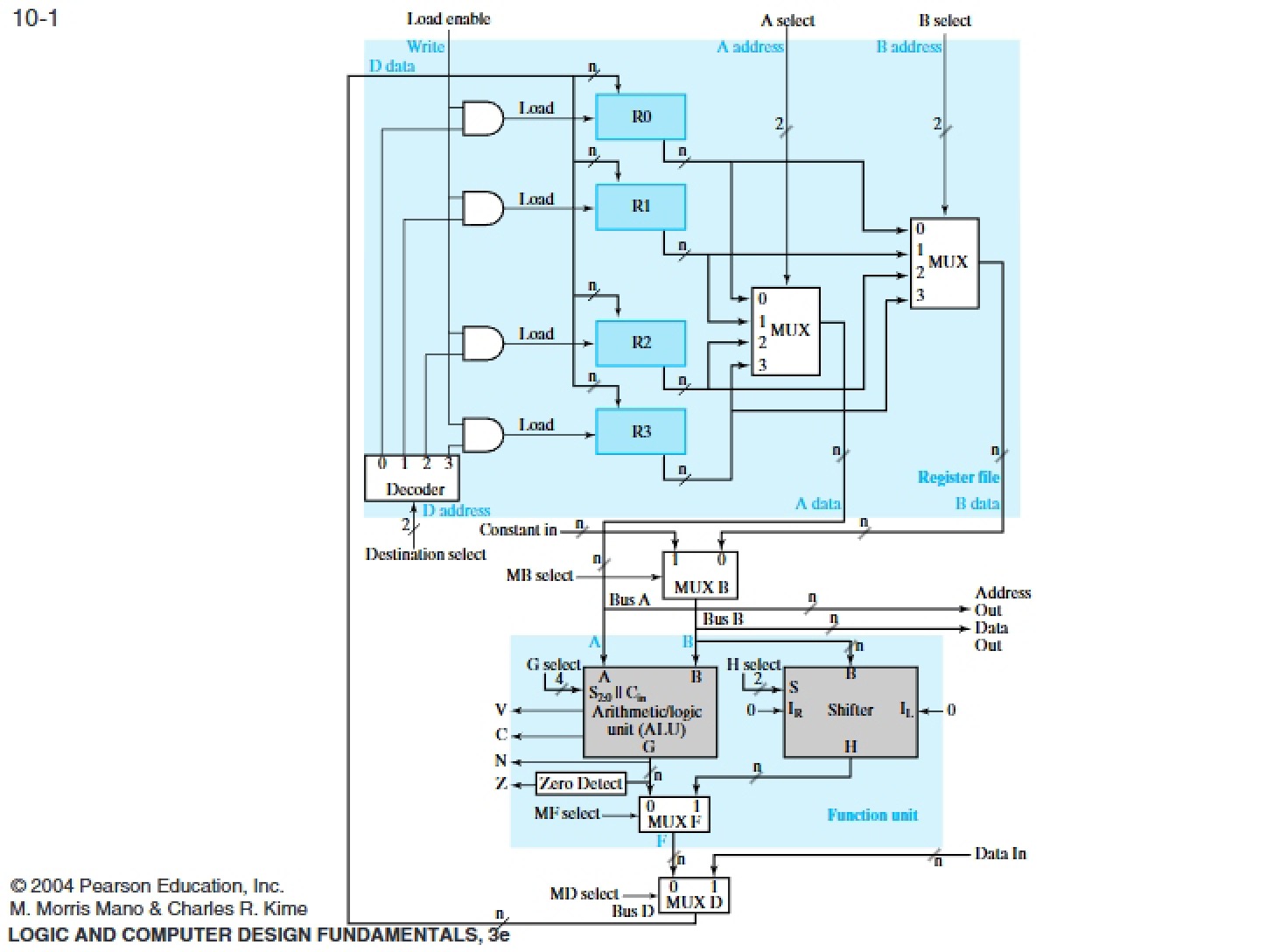
* A visual representation of a simplified MIPS datapath.
* An explanation of the key components involved in instruction execution.
* A breakdown of the different fields within MIPS instruction formats.
* Illustrative diagrams showcasing the connections between core architectural elements.
* A glimpse into the complexities of a fully realized pipelined architecture (previewing later course material).