What This Document Is
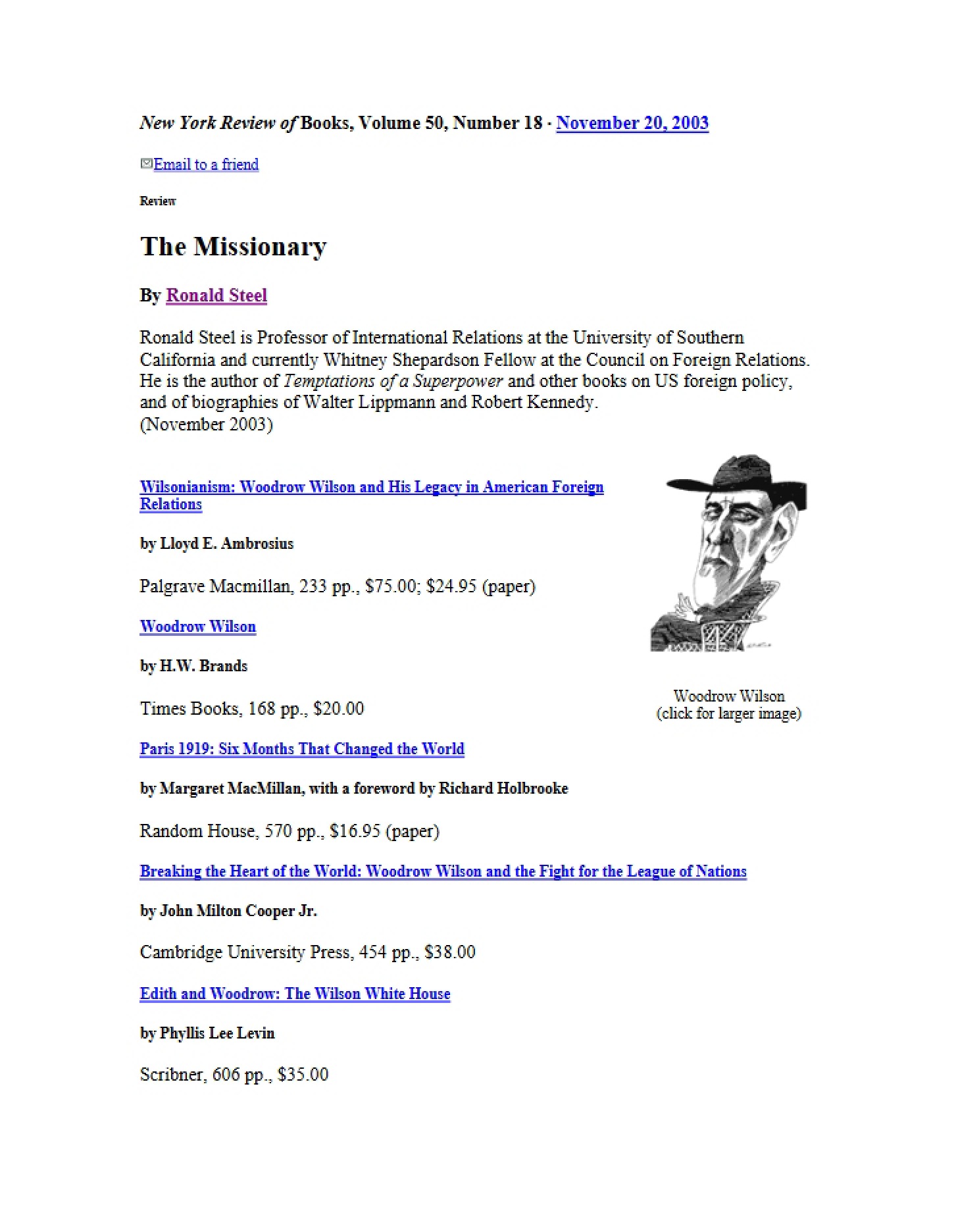
This document presents a critical review of a significant work concerning American foreign policy and its role in the global landscape following the Cold War and the events of September 11th. It’s a scholarly analysis, examining a book-length argument about the strategic choices facing the United States in the 21st century. The review delves into the core question of America’s global role – whether to pursue dominance or leadership – and the potential consequences of each path. It offers a window into the intellectual debates surrounding US foreign policy during a pivotal historical moment.
Why This Document Matters
Students enrolled in courses on US foreign policy, international relations, and political science will find this review particularly valuable. It’s ideal for those seeking to understand the complexities of post-Cold War American strategy and the differing perspectives on how the nation should interact with the world. This resource is especially helpful when researching the Bush administration’s foreign policy decisions and the broader context of the “War on Terror.” It provides a foundation for deeper exploration of these critical topics.
Topics Covered
* The evolution of US foreign policy after the Cold War
* Debates surrounding American global leadership versus dominance
* The impact of the September 11th attacks on US foreign policy
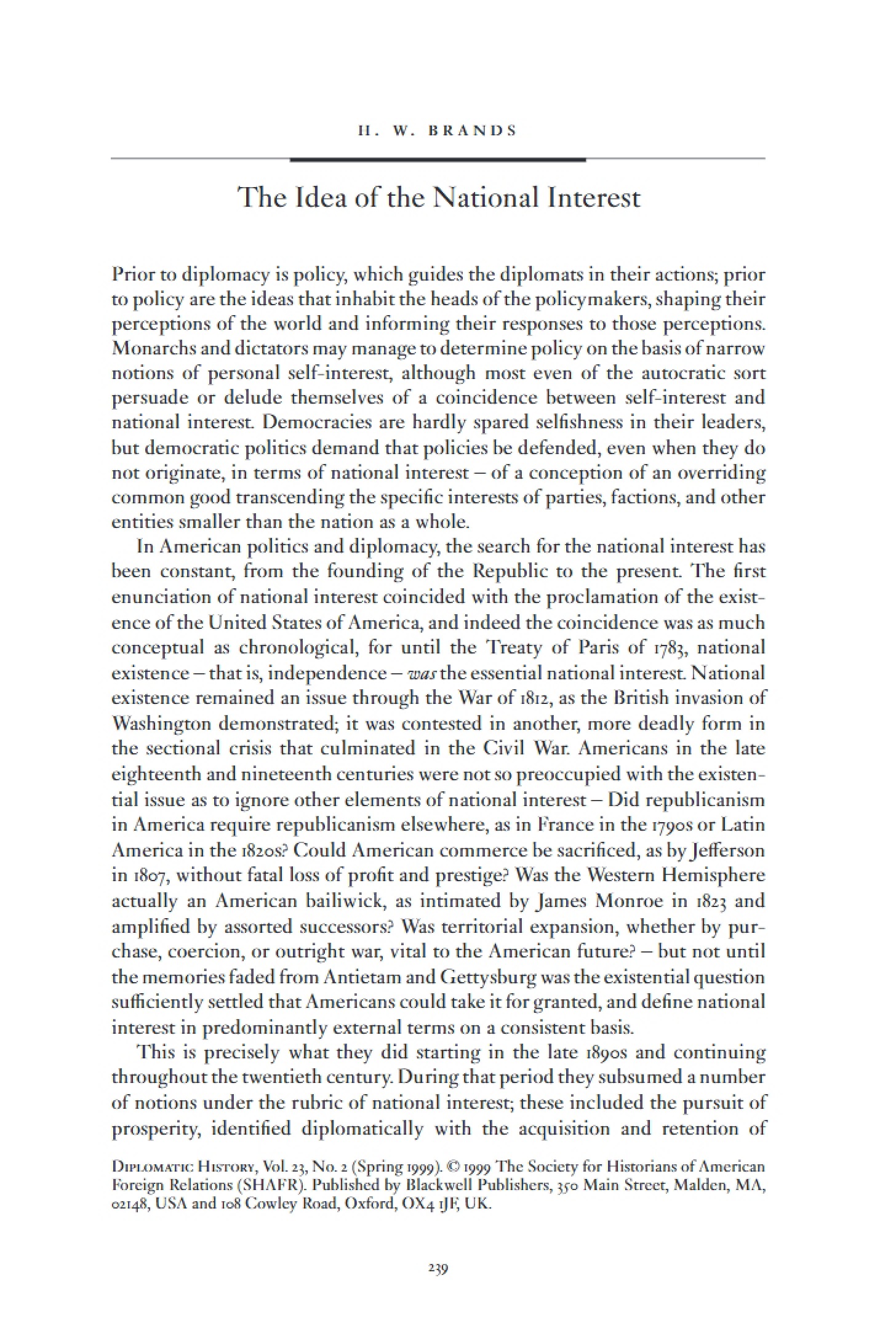
* Analysis of differing viewpoints on American national interests
* The concept of globalization and its implications for US strategy
* Historical perspectives on American foreign policy thinking
What This Document Provides
* A detailed review of a key text in the field of US foreign policy.
* An overview of the arguments presented regarding the choices facing the United States.
* Contextualization of the debate within the broader historical and political landscape.
* Insight into the perspectives of prominent foreign policy thinkers.
* A framework for understanding the potential risks and benefits of different approaches to global engagement.