What This Document Is
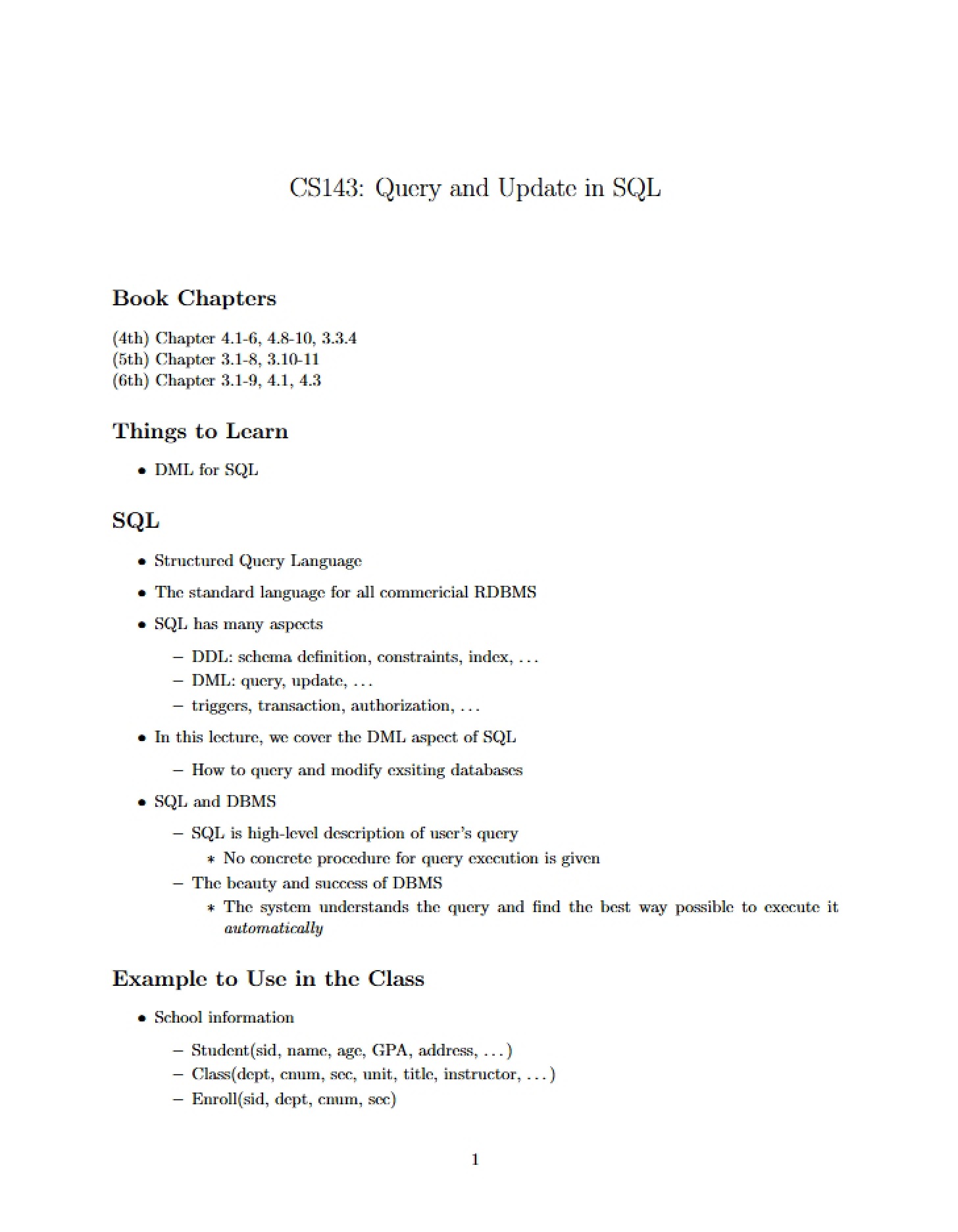
This is a comprehensive exploration of the Relational Model, a foundational concept in Database Systems (COMSCI 143 at UCLA). It delves into the theoretical underpinnings and practical applications of this model, which forms the basis for many modern database management systems. The material draws connections to relevant book chapters from commonly used textbooks in the field.
Why This Document Matters
This resource is invaluable for students seeking a deep understanding of how databases are structured and organized. It’s particularly helpful for those tackling assignments, preparing for exams, or aiming to build a strong foundation for more advanced database topics. Anyone needing to grasp the core principles behind data representation and manipulation will find this a useful study aid. It’s best utilized alongside course lectures and textbook readings to reinforce key concepts.
Topics Covered
* The evolution and historical significance of the Relational Model
* Fundamental concepts of data modeling and its various approaches
* Key terminology related to relational databases, including schemas and instances
* The role and importance of keys in ensuring data integrity
* Handling of null values and their implications in database operations
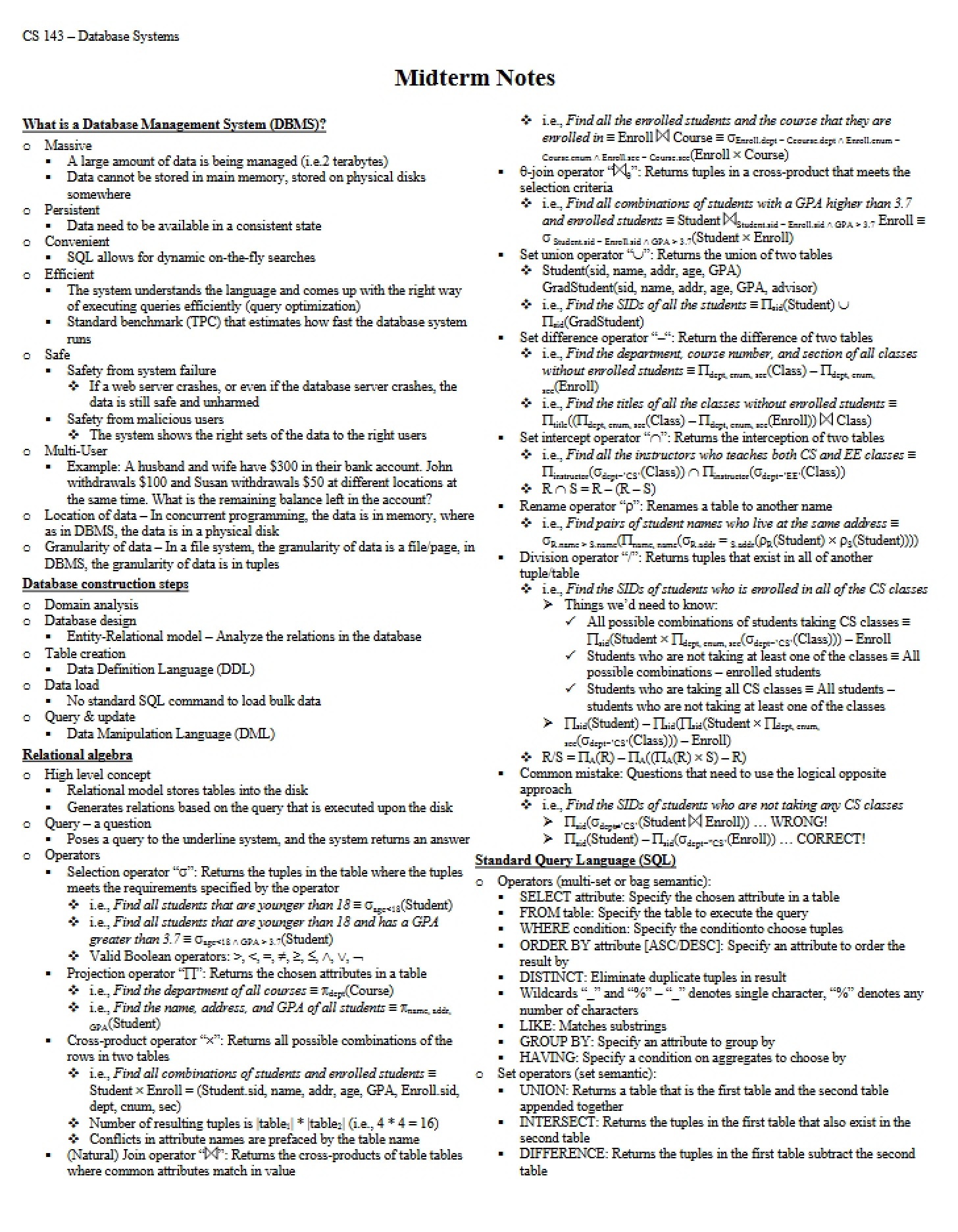
* The overall process of database construction and design
* Set semantics within the relational model
What This Document Provides
* A detailed overview of the relational model’s structure, including relations, attributes, and tuples.
* Contextualization of the relational model within the broader landscape of data modeling techniques.
* An examination of the principles governing data representation and organization in relational databases.
* A foundation for understanding how to define and utilize schemas effectively.
* Insights into the challenges and considerations surrounding data integrity and consistency.
* A structured approach to understanding the steps involved in building a database system.