What This Document Is
This document presents lecture materials from a Computational Vision course, specifically focusing on the foundational concepts of image modeling and linear systems. It delves into how images can be mathematically characterized and understood, bridging the gap between observed image data and the underlying scenes that generate them. The material explores the principles behind representing visual information and how these representations impact perceptual inference. It builds upon prior discussions of Bayesian decision theory in perception.
Why This Document Matters
This resource is invaluable for students in computer vision, psychology, or neuroscience who are seeking a rigorous understanding of how visual systems – and computer algorithms – process images. It’s particularly helpful when tackling projects involving image analysis, scene reconstruction, or the development of vision models. Students preparing to implement or analyze psychophysical experiments will find the concepts presented here essential for formulating hypotheses and interpreting results. It’s best utilized *during* a course on computational vision or image processing, or as a reference for advanced study.
Common Limitations or Challenges
This material provides a theoretical framework and does not include step-by-step coding tutorials or pre-built software implementations. It focuses on the underlying principles rather than specific applications, and assumes a foundational understanding of probability and statistics. While it touches upon the connection between image properties and scene characteristics, it doesn’t offer exhaustive coverage of all possible scene types or imaging conditions. It also doesn’t provide a complete treatment of advanced topics like non-linear systems or deep learning approaches to image modeling.
What This Document Provides
* An exploration of generative models for images and their rationale.
* Discussion of the relationship between image features and underlying scene properties.
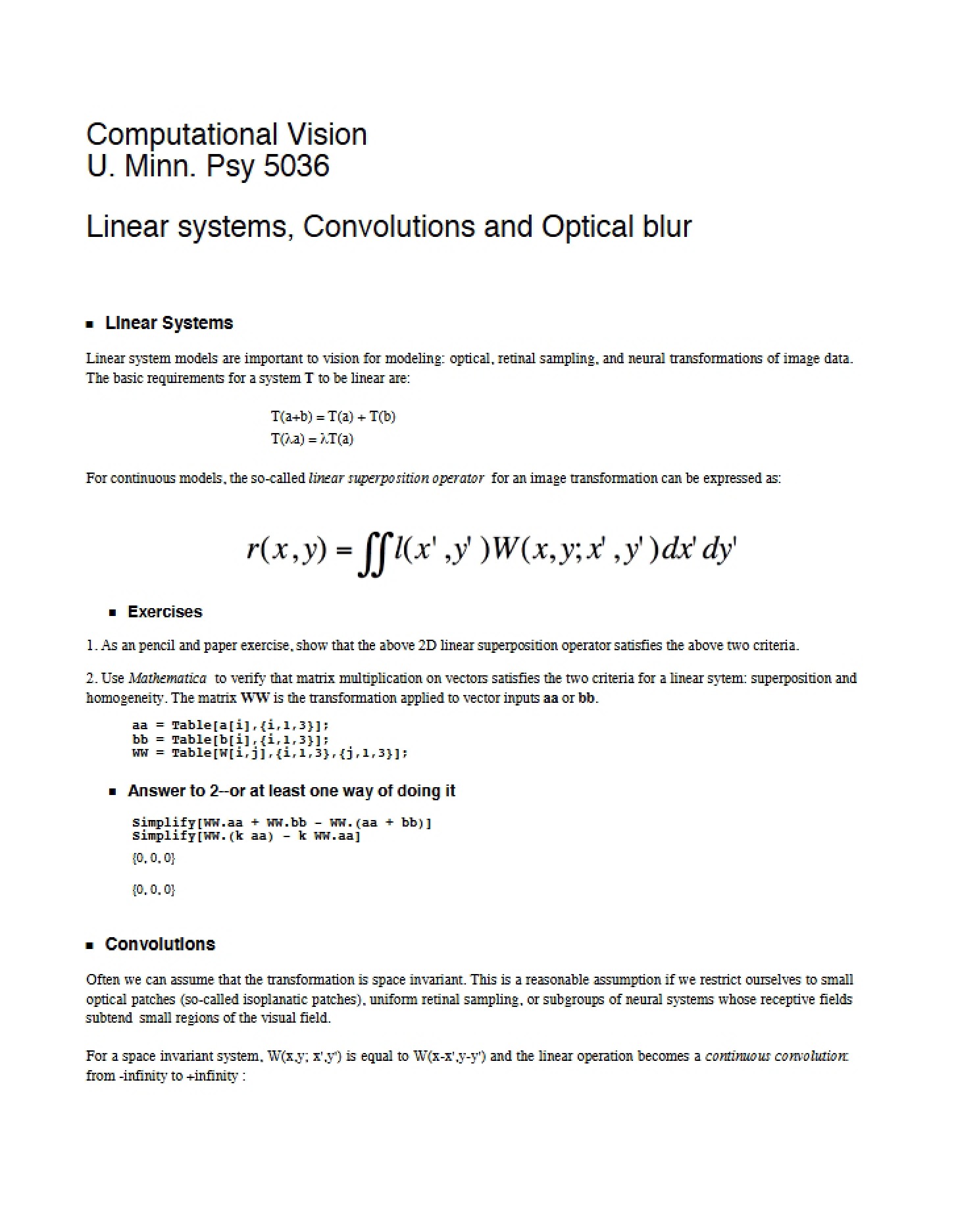
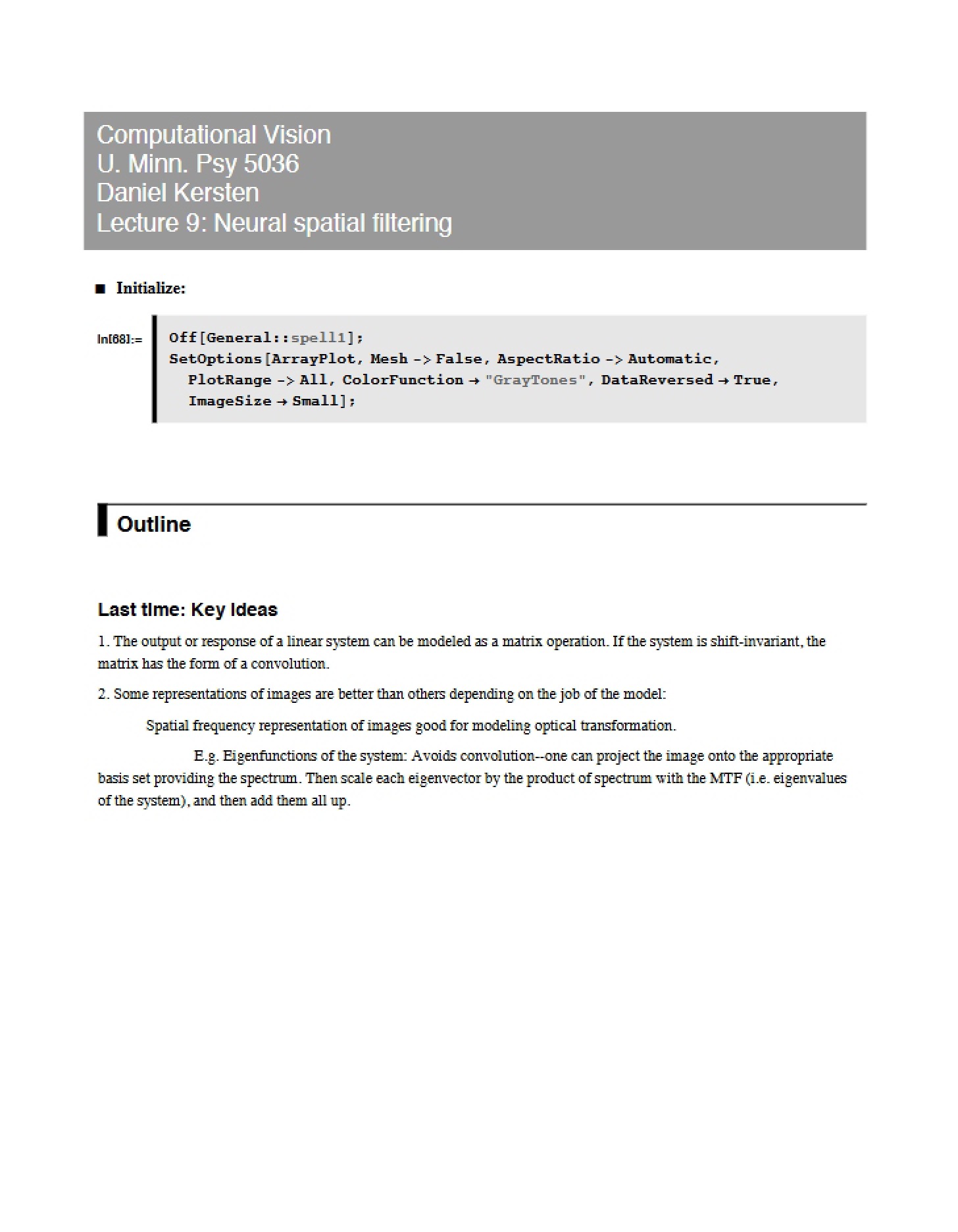
* An introduction to the concepts of linear systems in the context of image intensity modeling.
* Consideration of optical resolution limits and the role of the point spread function.
* A framework for understanding how to characterize the knowledge needed for visual inference.
* An overview of photometric and geometric variations in images.